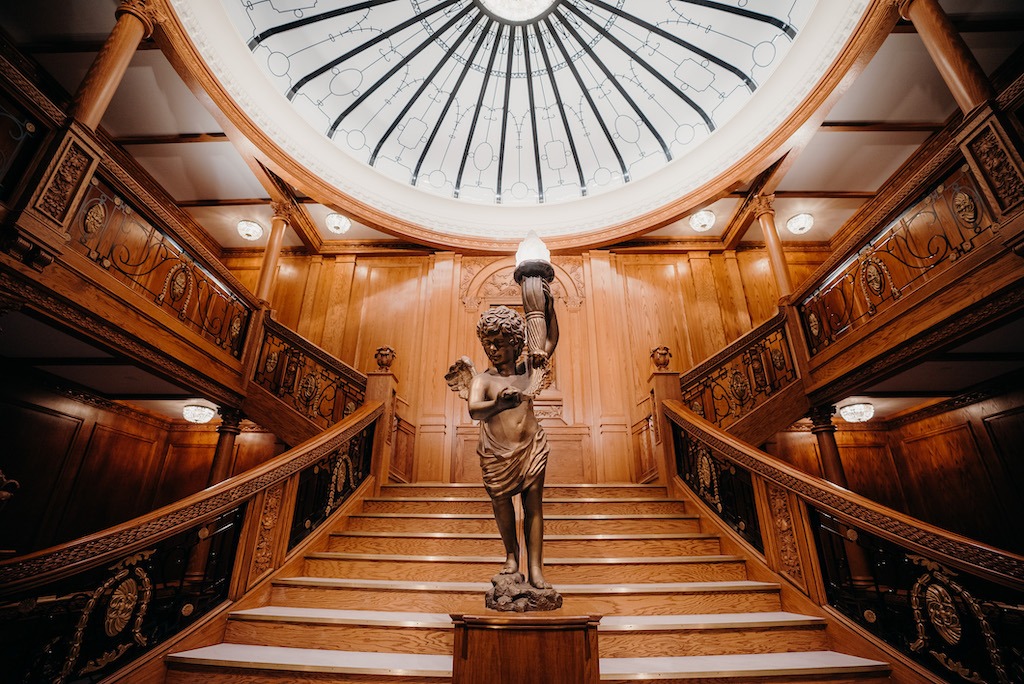
An expanded partnership sets course for global expansion of the Titanic brand through immersive experiences and strategic collaborations.
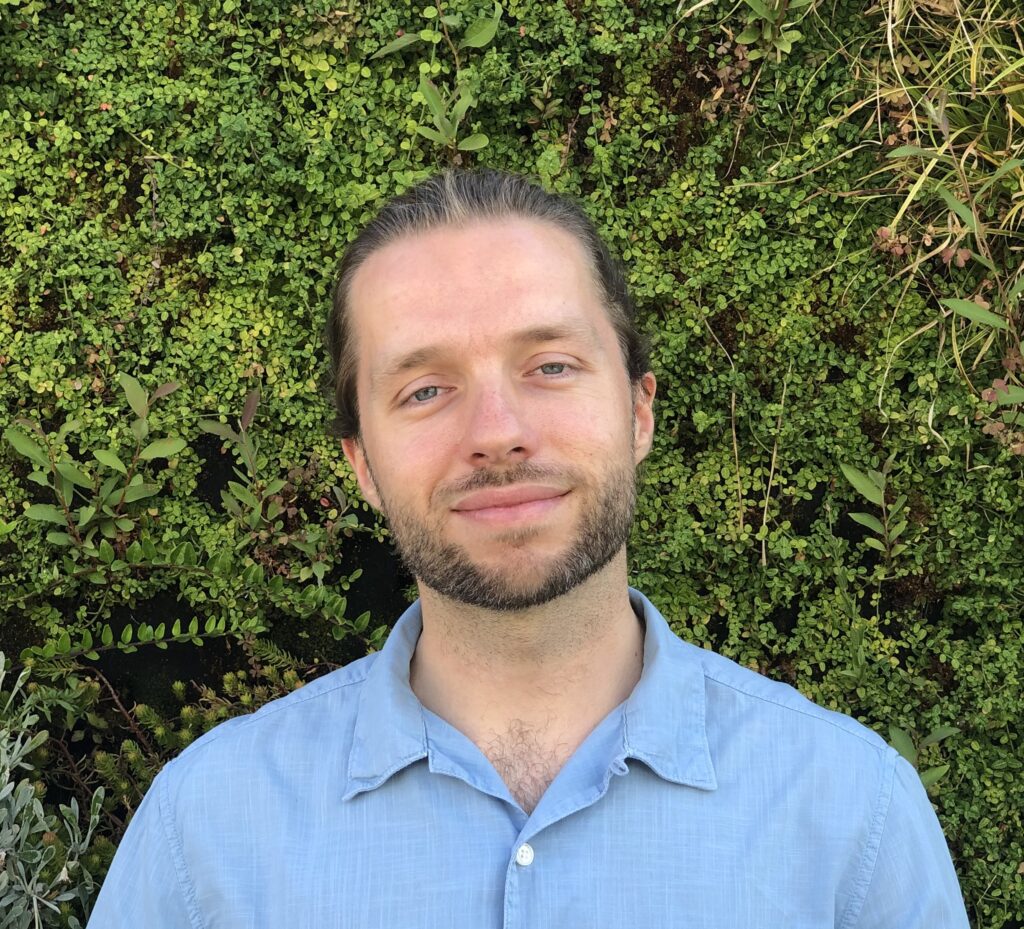
Atlanta, GA — June 17, 2025 — RMS Titanic Inc. (RMST), in partnership with Ben Thompson of Storyland Studios, is charting a bold new course for the Titanic brand with a renewed strategic focus on global development, partnership-driven growth, and experiential innovation. As part of this evolution, Thompson, Chief Strategy Officer at Storyland Studios, along with his team, will now lead global brand expansion for Titanic.
This development marks the culmination of a year-long collaboration between RMST and Storyland Studios, aligning creative vision with long-term growth strategy. Together, they’re ushering in a new era for the iconic Titanic brand—one defined by fresh energy, innovative partnerships, and an ambitious roadmap for the future.
E/M Group, the experiential company behind bringing Titanic to life through touring exhibitions, permanent venues, and digital experiences, continues to drive the vision for expanding the brand worldwide
Kris Soder, CEO of E/M Group and sole director of RMS Titanic Inc., added, “We believe strongly in the power of collaboration and imagination to carry Titanic’s legacy forward. The next chapter will expand our reach while honoring the stories and history that continue to resonate with millions worldwide.”
Ben Thompson brings more than 25 years of success across theme parks, immersive experiences, touring exhibitions, hospitality, consumer goods, retail, and brand experiences. At Storyland Studios, he’s taken the business from a mainly US-focused design and fabrication firm into a global experience design practice, helping IP owners such as LEGOLAND®, Hasbro, M&M’s and Sports Illustrated develop powerful experiential destinations across North America, the Middle East, Europe, and Asia.
Now, he’ll advise on RMS Titanic Inc.’s global experiential strategy by identifying the right formats, partners, and real estate opportunities to bring Titanic’s legacy to audiences across continents.
“I’m incredibly excited that Kris and the team at RMS Titanic are continuing to place their trust in Storyland as a strategic partner as we set out on this new adventure together,” said Thompson. “TITANIC: The Artifact Exhibition is by most accounts the most visited touring exhibition of all time, with over 36,000,000 visitors and counting. And yet we see so many more opportunities for growth, both in developed markets like the USA and Europe, and especially in the transforming experiential destinations in Latin America, the Middle East, and Asia Pacific. I couldn’t be more thrilled to have been given this opportunity to lead the strategic development of this iconic property.”
The new strategy is rooted in partnerships across North America, Latin America, Europe, the Middle East, Oceania, and Asia. From cultural institutions and museums to licensing partners and real estate developers, RMST and Storyland Studios are actively seeking collaborators ready to help bring the next generation of Titanic experiences to life.
Opportunities span multiple formats and business models, from museum exhibitions and themed attractions to immersive installations. With the right partners, RMST and Storyland Studios are confident that the next decade will be the most dynamic yet for Titanic. The brand is poised to expand its footprint and deepen its emotional impact on global audiences through thoughtfully executed, highly immersive experiences.
To explore partnership opportunities or learn more about Titanic’s global expansion plans, please contact: bthompson@emgroup.com
RMS Titanic Inc.’s mission is to preserve the legacy of Titanic’s maiden voyage and subsequent sinking. It honors the memory of her passengers and crew through conserving and displaying recovered artifacts, presenting comprehensive educational programs, mounting innovative exhibitions, and promoting research and recovery initiatives, including wrecksite imaging and analysis. RMST was granted salvor-in-possession rights to the wreck of Titanic and is the only company permitted by law to recover artifacts from the wrecksite. RMST has recovered and conserved more than 5,500 artifacts since 1987 and is an affiliate of E/M Group.
About E/M Group
Experiential Media Group, LLC (E/M Group), located in Atlanta, is a world leader in the development and display of exhibitions that educate, entertain, and inspire audiences of all ages. The Company’s exhibitions, including BODIES…The Exhibition and TITANIC: The Artifact Exhibition, captivate audiences through compelling stories, authentic artifacts, and amazing specimens. Exhibitions are presented in museums, exhibition centers, and other entertainment venues. Additional information about E/M Group and exhibition locations is available at EMGroup.com.
About Storyland Studios
Storyland Studios is a full-service experience design firm with offices in the U.S. and Europe. We imagine, design and create immersive experiences and environments that lift the Spirit. Storyland Studios team Members and Executive Leadership include alumni from The Walt Disney Company, Walt Disney Imagineering, Pixar Animation Studios, Universal Studios, and LEGOLAND®—all passionate about creating immersive storytelling experience that shape culture and connect with people on an emotional level. www.storylandstudios.com
We met with Javier Luengo Oroz, Head of Environmental Sustainability at Parques Reunidos, to explore how collaboration and an integrated strategy have helped maximise their sustainability impact.
Photo Credit: Parques Reunidos
Marie Rayner: Tell me a little bit about Parques Reunidos and your role.
Javier Luengo Oroz: Parques Reunidos is an international operator of leisure parks. In 2024, Parques Reunidos managed a portfolio of more than 50 parks in 11 countries, accounting to approximately 20 million visitors.
Our headquarters are in Madrid, so all applicable EU and Spanish legislation for large companies is rolled out across all parks, as well as adapting to local legislation in each country.
MR: When did you start to get involved in sustainability?
JLO: I have an academic background in environmental sustainability — first studying Industrial Engineering, and then going on to gain a Master’s Degree from the University of Edinburgh, with a focus on environmental sustainability and research on my master thesis.
I worked as an environmental consultant before joining Parques Reunidos four years ago.
MR: What was the starting point for Parques Reunidos’ sustainability journey?
JLO: Before 2020, parks implemented their own sustainability-related actions, but without an overarching Group strategy. This changed in 2020, when we created the first sustainability report (corresponding to 2019 sustainability performance) and the first environment-related targets to be included in the overall company strategy. We started with energy, water, and waste targets, and we continued with our Science Based Targets — validated GHG emissions targets that were validated in 2022.
From a governance point of view, 2020 was the first year that the company had a Chief Sustainability Officer. This was a key milestone because it brings sustainability (including environment, social, and governance issues) to the table, to the executive committee, so that it becomes part of the company decision-making process and an important aspect of company strategy.
MR: And how do you see these original objectives have evolved?
JLO: The original environmental target ambitions were:
Energy – reducing energy use and its associated carbon emissions
Water – reducing water consumption, especially drinking water in parks located in high-stress areas
Waste – reducing waste generation and increasing the recycling share to reduce waste sent directly to landfill
From these three original objectives, we developed our decarbonisation targets for Scope 1 and 2 and Scope 3. These targets were validated by the Science Based Targets initiative, making Parques Reunidos the first international regional leisure park operator to have validated science-based targets — this is something we’re very proud of. It’s a challenging process to go through, but having your targets and associated action plan validated gives you the directions to follow — you then need to walk that path.
The evolution of these targets is going to include increased supply chain engagement objectives (relating to Scope 3), and we foresee including nature targets related to the TNFD framework recommendations.
Photo Credit: Parques Reunidos
MR: With a diverse portfolio of parks and so many different locations, how do you engage your employees in working toward these goals?
JLO: The key is understanding that every single person in the company has a part to play on this. Our environmental sustainability strategy is not something that just comes from the sustainability department; it’s embedded in the overall strategy, and everyone has a part to play. It’s a shared responsibility.
We have different owners for different actions, making sure that environmental sustainability isn’t seen as a “nice to have,” but an integral part of the company. The sustainability department coordinates and manages, but everyone does their own part.
It’s very important to share the results. Our sustainability report is not just an exercise of collating the data; we share it with our colleagues. They see this 200-page document, and we can say look, here is the impact of your contribution. We want our colleagues to really see the effects of their actions.
One of the projects that felt very rewarding was the energy efficiency program we started for all parks in 2021. I’ve really enjoyed this project, because thanks to the efforts from the colleagues of the parks upgrading the equipment — and the engineering team from our head office — we see actual improvements by emission reductions. We see year on year that, thanks to these investments, there has been a data-based impact. It was a collaboration from many different people within the company and a great example of the synergies found when people from different backgrounds work as a team.
MR: Is there anything that you look back on now and wish you had done differently?
JLO: In the first years, we spent a quite a bit of time improving data reporting to make decisions. Although this was necessary — and having this baseline information is incredibly important — we might have spent more time than we needed to get 100% accurate figures.
Looking back, we could have spent a little less time on reporting and modelling, and more time on specific actions. We could have had a 95% accurate reporting figure and shifted some efforts into action, or made decisions a little quicker.
Also, sometimes there are measures we KNOW will reduce emissions, but sometimes because those reductions can’t be tracked easily (e.g., energy savings of equipment without meters), you spend more time than needed modelling the results. For some actions you know the theory but not all the data — and in some cases it should be enough to know the theory to move ahead.
The timeline for our decarbonisation targets — and for most companies — is 2030. There’s still much to do, and the timeframe is getting shorter and shorter for everyone. We are well on track, but without consistent action and improvement, we’ll be sprinting at the end to try and reach our goals.
Photo Credit: Parques Reunidos
MR: What developments and trends are you seeing in the industry?
JLO: It’s really interesting to see the transition from a carbon emissions focus to a wider and comprehensive nature-based approach. It’s not just CO2 emissions; it’s everything related to climate change, biodiversity, and natural resources. Especially for water, I really see that this will become very important sooner than we think. In a few years, this will be a major issue for the whole world, not just in the locations that already feel the water shortages and conservation needs. It will have significant impact in our industry, as water withdrawal restrictions could affect the opening of parks, especially water parks.
Waste management is evolving in the right direction in our industry, with measures such as eliminating single-use items or minimising food waste becoming the standard in the industry. This started in music festivals and has now been implemented in many parks. Consumer trends are evolving, and we need to adapt to the market demands. Luckily, people are becoming more environmentally conscious and the products and services offered to them need to keep up with this mentality shift.
MR: What is your main environmental sustainability focus when designing for new developments?
JLO: With respect to hotels located in the park facilities, we aim to make the operation of new accommodation facilities fossil fuel-free, so they run only on renewable electricity (although it is not always possible). Some of our newest lodging areas use electrical heat pumps instead of natural gas, as it wouldn’t make sense to design them with natural gas heating systems, only to retrofit them in the future. We are currently retrofitting older lodging areas to bring them to similar energy efficiency standards as our new areas.
We strive for having all attractions powered by electricity as well. This is the case for most roller coasters and theme park rides, but it can become a challenge for some water attractions that require natural gas heating for the water — in these cases, we try to make them as energy efficient as possible.
In short, we aim to minimise the fossil fuel consumption in our parks and to purchase electricity from renewable sources; 2024 was the fourth year in a row that we purchased 100% renewable electricity.
MR: How do you compare the initial investment costs of energy efficiency measures with the operational savings they provide over time?
JLO: We are always seeking to be as energy efficient as possible in our systems and facilities. If something’s electrical, we make sure it consumes as little electricity as possible while doing the job (like LED bulbs; they have been around for years but are still a good example). For equipment running on fossil fuels (e.g., a natural gas boiler), we aim to replace them with electrical alternatives. The aim is to always reduce fossil fuel consumption to a minimum and to ensure that all electricity used comes from renewable sources.
That said, the payback periods of simple energy efficiency measures (e.g., LED bulbs implementation) and electrification of fossil fuel equipment (e.g., natural gas boilers) are different. The electrification measures generally have a longer payback period, so this needs commitment from the companies. We need to accept that environmental sustainability is not free and that without investment, companies will not reach their targets. In some cases, it will pay off quickly. In other cases, it might take longer. And there may even be investment that, from a monetary point of view, will never pay off!
MR: What do you think will become important in the future?
JLO: We recently did a study to assess climate-related risks and opportunities affecting our parks for future climate scenarios. Understanding how the world is changing due to climate change, and how we need to adapt to these changes, is critical. For example, heat waves are going to have a big impact for some of our locations in all climate scenarios, so we need to consider this when looking at new developments and adaptation measures. This kind of strategic thinking — about climate change and the risks it could pose — is becoming more important, and it is common to see it embedded into the strategy of companies leading the way in the environmental sustainability journey.
MR: What has been your biggest achievement?
JLO: The biggest achievement for us was to make Parques Reunidos the first international operator of regional leisure parks to have validated science-based targets. We defined the goals, but being able to define how we would reach these goals — developing our decarbonisation roadmap — was the actual achievement. We were the first park operator amongst our similar-sized competitors to do this.
So now we have the targets, but we need to get there. Let’s talk in five years; the biggest achievement WILL be achieving these targets by 2030!
MR: What interests and excites you most about working in this field?
JLO: Every year is different because of the changing landscape of environmental sustainability. In my first year we did a lot of new things at Parques Reunidos, things that we hadn’t done before. This happened again on the second year, on the third year, on the fourth year… There are new ideas and new steps to follow every year, so we’re always learning. The landscape’s always changing and this is what makes it exciting.
I’m very conscious about the climate emergency that we are already living and that we need to act urgently — we are late already. I work for Parques Reunidos and, in addition to our guests, I like to say that my client is the planet. Mitigating climate change and preserving the biodiversity and natural resources from Earth is a shared benefit. For me, this is more than “a job” — it is a way of amplifying my actions and contributing to the preservation of our planet.
Think of it like this: The carbon footprint from the world average person is approximately five tonnes per year, which is around 300 tonnes through their whole life. Parques Reunidos’ carbon footprint is approximately 300,000 tonnes per year. If one year we manage to reduce Parques Reunidos’ footprint by just 10% (30,000 tonnes), it’s more than one person could reduce by himself in 100 lives.
Research has shown that when environmental sustainability is included in the company strategy, it has a positive business impact and gives a competitive advantage. If other companies in the industry do the same as we do because they are influenced by us, this is great! This is all about encouraging everyone to become more environmentally responsible, so that together we can have the biggest impact possible. We will all benefit from these efforts because in the end, we all share the same planet.
Photo Credit: Parques Reunidos
About Parques Reunidos
Talking about Parques Reunidos means referring to one of the leading global operators of regional leisure parks and one of the three truly global leisure park operators.
After 50 years in the sector, they now operate a well-diversified portfolio of over 50 leisure centers (theme parks, zoos and marine parks, water parks, indoor entertainment centers and other attractions), spread out over various countries across Europe, North America and Australia. Their asset diversity has placed them as the second-largest leisure park operator in Europe and the eighth-largest leisure park operator worldwide.
Storyland Studios is a full-service experience design firm with offices in the US and Europe. We imagine, design, and create immersive experiences and environments that lift the Spirit. Storyland Studios team Members and Executive Leadership include alumni from The Walt Disney Company, Walt Disney lmagineering, Pixar Animation Studios, Universal Studios, and LEGOLAND® – all passionate about creating immersive storytelling experiences that shape culture and connect with people on an emotional level. storylandstudios.com
Storyland Studios, a global experience design and strategy firm, has announced that its co-founder and chief creative officer Mel McGowan, AICP, DBIA, LEED AP, has been appointed to Congress for the New Urbanism (CNU)’s Board of Directors.
CNU is a prominent group of architects, urban designers, developers, and policymakers working together to shape policy at local and national levels. The organisation contends that contemporary city planning restricts housing supply and affordability, adversely affecting the environment.
McGowan has been a long-time attendee at CNU’s Annual Congress, where he has also appeared as a speaker.
“I’m thankful for the opportunity to give back to this community and its leadership.”
McGowan combines his ten years of experience at the Walt Disney Company with a background in film and design to develop a multidisciplinary approach to the built environment.
“This multidisciplinary approach is the only way to really make things happen,” McGowan says. “It’s not just about an architect with a better design or better vision. You’ve got to be about economics, politics, design, and vision casting. And that models the approach Storyland is founded on, as well.
“It’s important to establish and bring the power of storytelling to the table. Storytelling is the foundation — that shared reality and collective vision of what the future should be.”
Besides his role at CNU, McGowan serves on the Western Board of Directors for the Themed Entertainment Association (TEA) and hosts the TEA Masters. He authored Design Intervention, hosts The Themed Attraction Podcast, and teaches as an adjunct professor at CBU’s College of Architecture, Visual Arts & Design.
OC Metro Magazine has recognised him as a top 25 influencer, while he was featured on the blooloop 50 Theme Park Influencer List in 2021 and the Immersive Influencer List in 2025.
3D storytelling
Storyland is bringing its 3D storytelling approach to various global projects, from South Dakota to Saudi Arabia. McGowan’s team has designed and master-planned several major, world-class city projects.
This includes the Town of Trilith, a live-work-play development connected to Georgia’s iconic Trilith Studios film lot; Trinity, Florida, a sports city anticipated to be the United States’ largest sports entertainment destination; and Kebulania, a first-of-its-kind film city in Lagos designed for the flourishing Nigerian movie industry.
Working alongside developer Darren Sloniger and Marquette Development, Storyland has also played a role in Edgehill Commons, a revitalisation project in downtown Nashville; Park Fulton, a redevelopment initiative in Chicago; and Catalyst Houston, a high-rise project with views of Minute Maid Stadium in Houston, Texas.
Reforms in urban development
CNU promotes nationwide reforms in urban development. New urbanism emphasises human-scale design in neighborhoods, towns, and cities, fostering community and family growth, reducing environmental risks, and enhancing overall quality of life. For over thirty years, CNU has been at the forefront, guiding advocates and practitioners who embrace the new urbanist philosophy.
“New urbanism was formed around the idea of social, economic, spiritual, and sustainable principles,” McGowan says. “It’s about reconnecting the brokenness: restoring connection with the land and with neighbors. Rather than the suburban tendency to isolate and separate families as far apart from each other as possible, new urbanism is about creating gathering places, returning to what we forgot in the rush toward suburbanism.”
CNU’s primary goals include reforming outdated city-building regulations that impose red tape on developers and communities, increasing access to affordable urban housing, and addressing climate change through strategic urban planning, development, and architectural design.
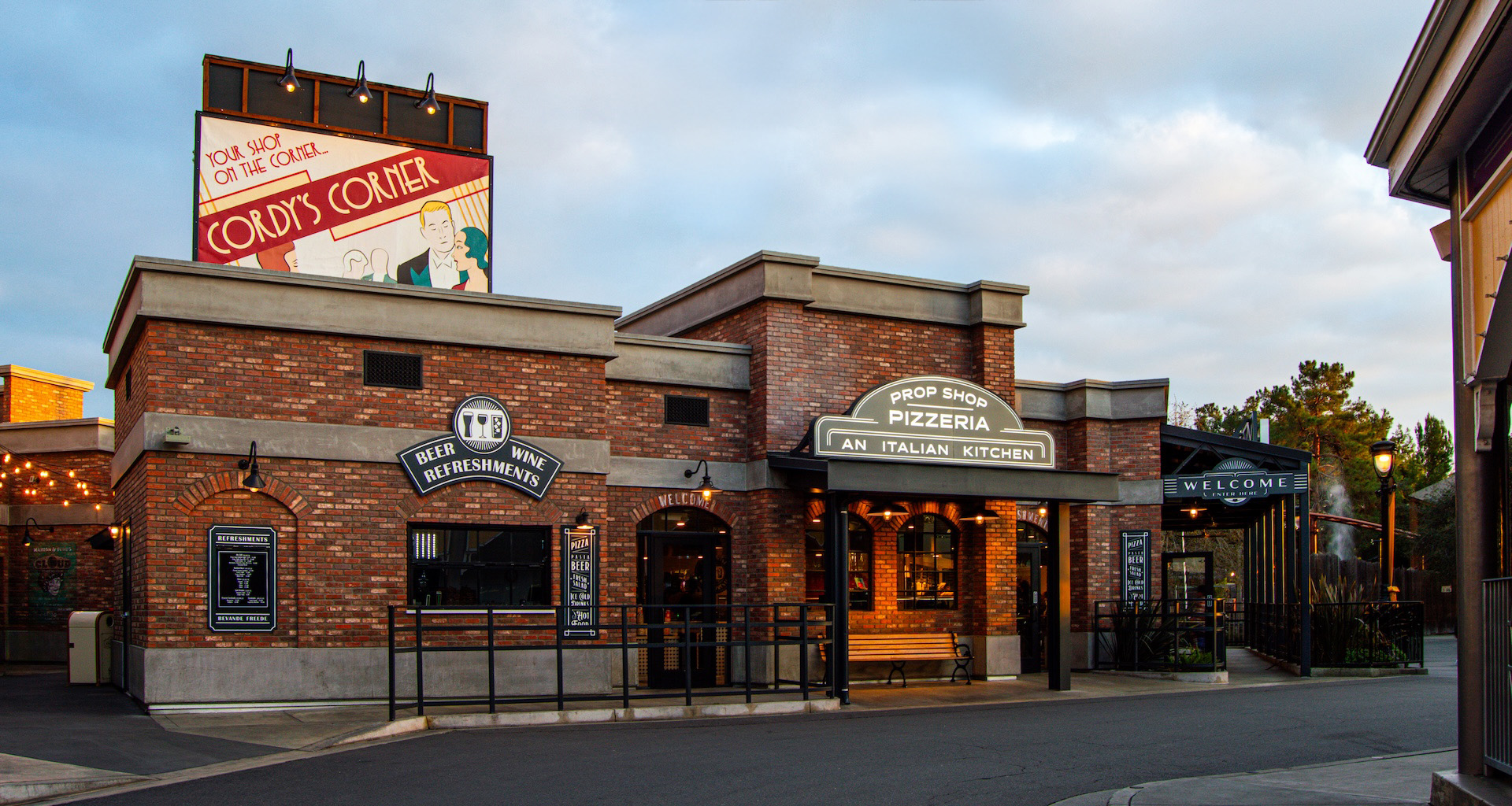
Storyland Studios partnered with Knott’s Berry Farm during the COVID-19 pandemic to help revitalize key areas of the park. While many California theme parks remained closed, Knott’s leveraged its rich heritage and strong community connections to keep its doors open.
We were honored to design and master plan the Boardwalk’s new Prop Shop Pizzeria, An Italian Kitchen, transforming the former Hollywood Hits walk-up counter into a fully themed dining experience. The restaurant’s name pays tribute to its original use as a prop shop for the Walter Knott Theater.
This project was a collaborative effort with Cedar Fair executives Matt Ouimet and Raffi Kaprelyan, legendary Imagineer Rolly Crump, and former Disneyland VP Jon Storbeck.
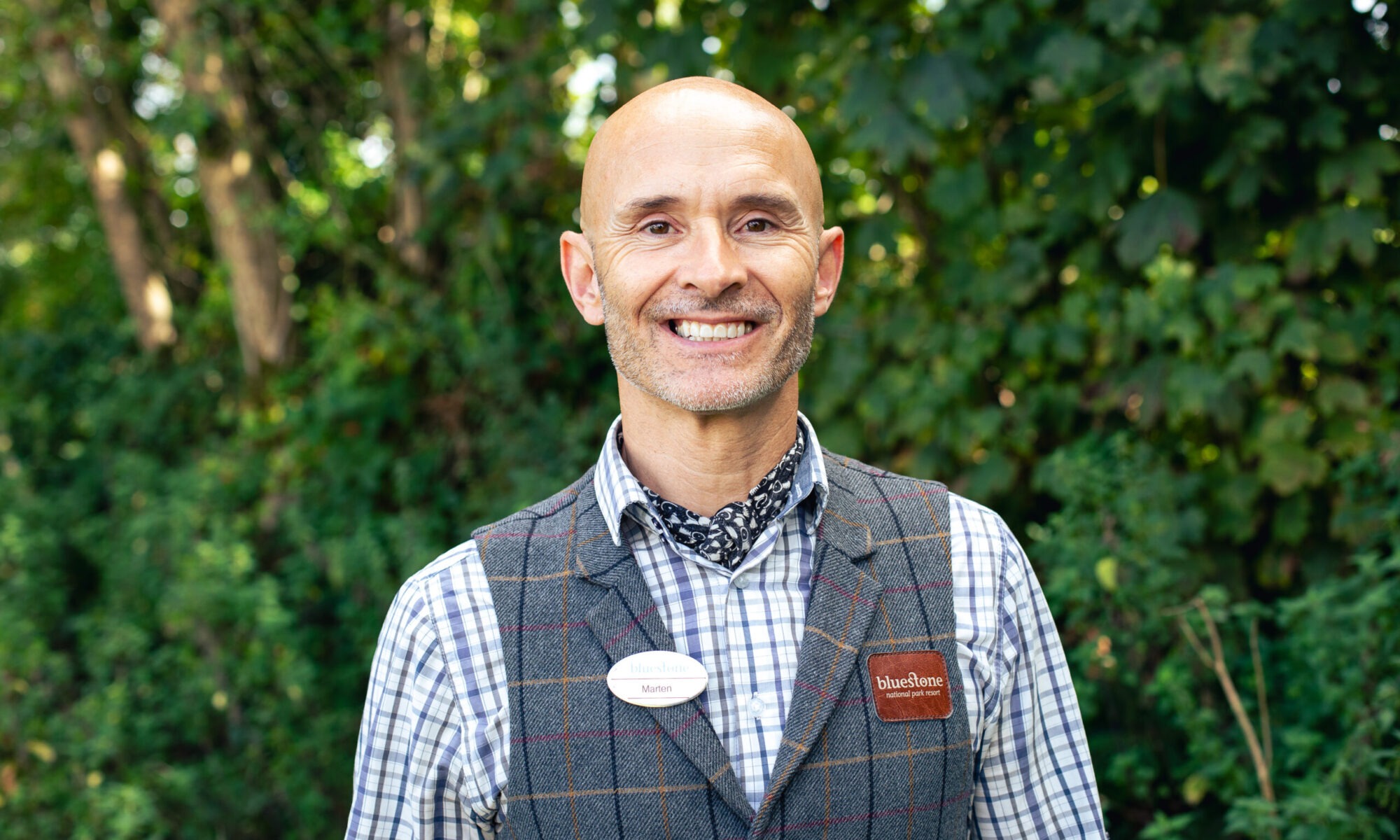
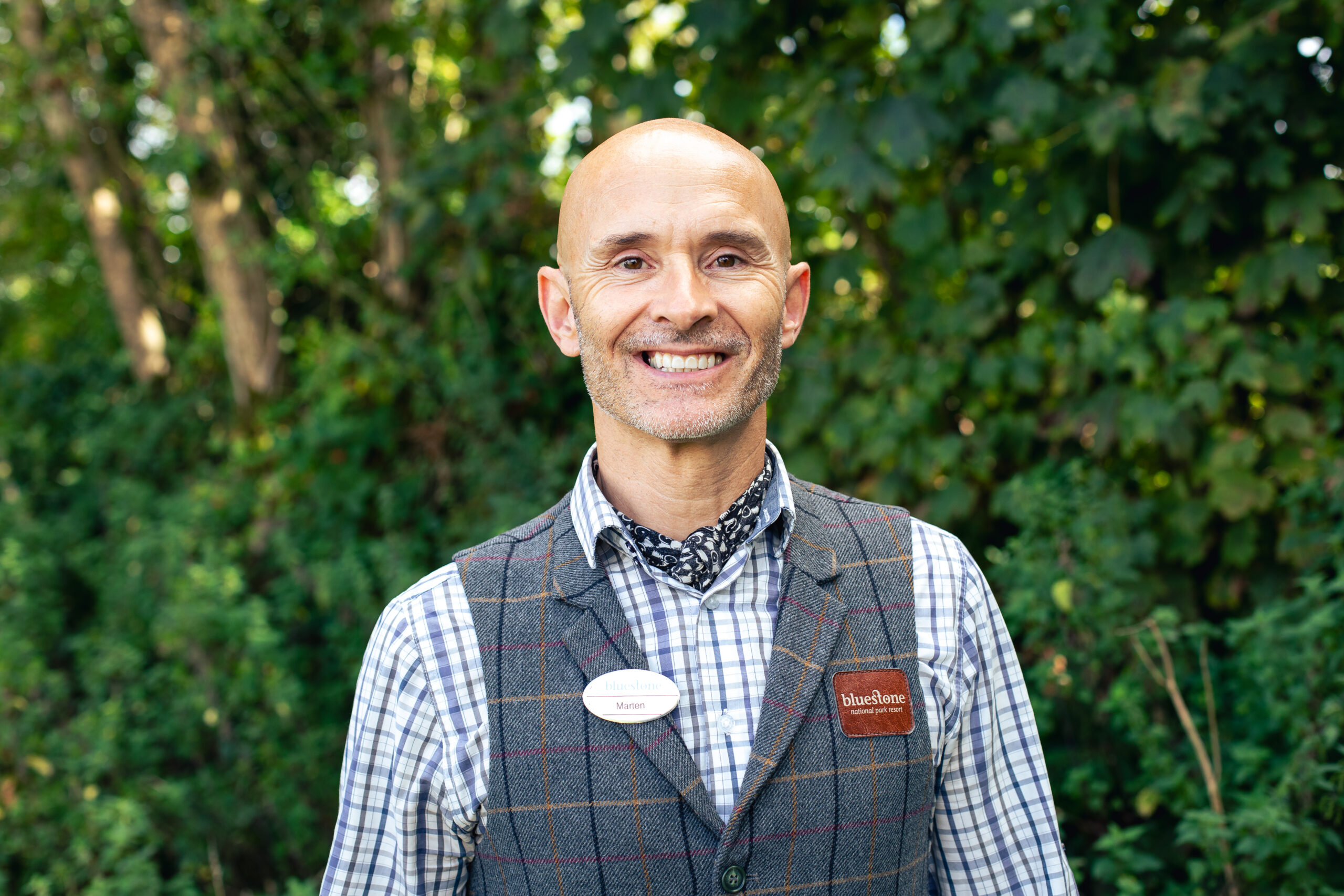
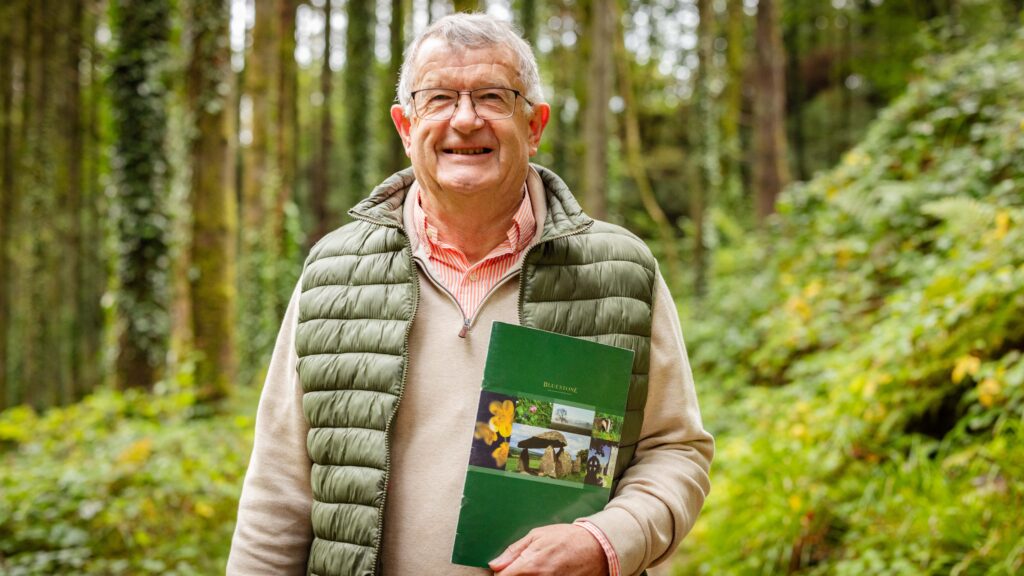
Storyland’s Marie Rayner caught up with Marten Lewis, Director of Sustainability at Bluestone National Park Resort in Wales (100 Changemakers in Wales (Future Generations Commissioner), Sustainability Director of the Year (Institute of Directors)), to explore the fascinating story of this International Green Key-awarded resort. We discussed everything from Bluestone’s incredible biodiversity achievements and their desire to create a sense of “wonderment,” to their stakeholder engagement tactics and beyond.
Let’s get into it.
Marie Rayner: Tell me a little bit about Bluestone and your role.
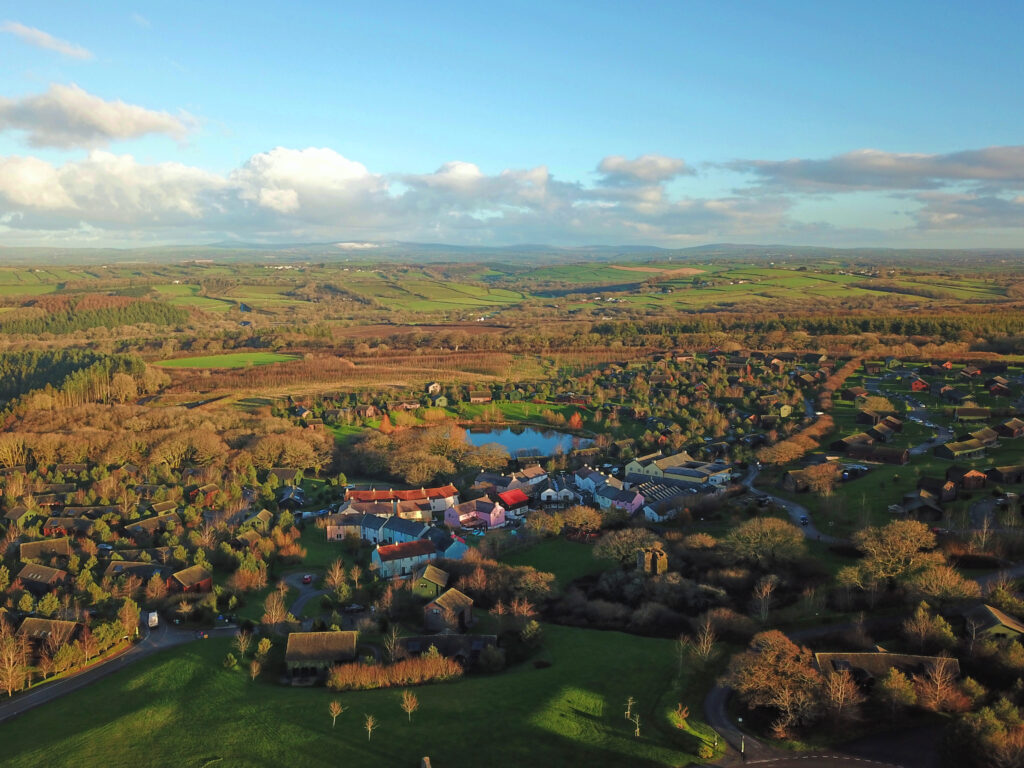
Marten Lewis: Bluestone National Park Resort is a five-star luxury, self-catering holiday resort near Narberth, Pembrokeshire, nestled in 500 acres of rolling countryside. The resort offers guests a wonderful base to explore the world-class Pembrokeshire coastal national park, the only designated coastal national park in the UK.
My role as Director of Sustainability is a privileged one: to look after the biodiversity, energy use, and waste strategy within our resort and supply chain, and to lead the Bluestone Foundation, which offers support to our local community through wellness and environment grants and programmes.
I love to share my passion for sustainability, and this year I have been lucky enough to tell Bluestone’s story at a UN Global Compact event and to present to a global audience for IAAPA.
Photo Credit: Bluestone National Park Resort
MR: When did you start to get involved in sustainability?
ML: I’d like to answer this question fully, as it is the essence of who I am.
I enjoyed the freedom and connection to nature that growing up near the coast in Pembrokeshire offered, but I was disengaged by traditional academia, and left school at 16 with no qualifications. I spent 2 years in the Army, and then 10 years working as a civilian engineer. Longing to be near the coast in Pembrokeshire, I returned home to study for a degree in Coastal Zone Management. This was a transformational moment, where hands-on learning about something I was passionate about connected with me in ways that school never could.
It was here that my passion for education and the environment began. I developed a sustainability educational programme for a local charity, the Darwin Centre, based on all that I was learning in my degree, but boiled down into the language of a 9-year-old! It was intended to capture the imagination of all children — particularly the less engaged, as I was at that age.
I worked with 70 schools at the time and engaged over 35,000 young people and families. I’m really proud of this charity. Twenty years on, it continues to go from strength to strength and has now reached over 70,000 young people.
A fundraising stakeholder was Bluestone National Park Resort, and in 2019 they enlisted my expertise to help realise their sustainability vision.
MR: And what is it that interests/excites you most about working in Sustainability?
ML: The scientist in me thrives on the experimental and continuous learning aspects of my role — testing hypotheses and iterating. I use my privileged position, knowledge, and empathy to share and learn; to bring as much value and positive change today, and for future generations.
The little boy in me that grew up by the coast simply wants a just world where humans remember we are nature — not disconnected from it.
Helping to make these things happen and bring change excites me the most.
MR: When did Bluestone start to build their sustainability strategy?
ML: Twenty years ago, when serendipitously, the UN coined the term ESG. William McNamara, OBE, founder, and CEO of Bluestone National Park Resort, laid out his vision on paper for what could be achieved on his dairy farmland. At the time, many questioned the viability of the ideas in what became known as his “Green Book.” It focused not only on building a holiday resort, but on transforming the entire concept of tourism, driven by the belief that Bluestone could be a force for good in terms of the environment, the local economy and local communities; the three pillars of sustainable development.
So, sustainability is in the DNA of Bluestone.
Photo Credit: Bluestone National Park Resort
MR: What were the company’s original objectives? What are the most important aspects of sustainability to Bluestone?
ML: The most important thing about Bluestone’s approach to sustainability is the holistic approach, the bigger-picture thinking based on the Green Book. This objective to strive to be better, to keep our eye on the vision, to bring holistic value has stood us in good stead.
Businesses that are authentically working hard to be sustainable — are open and honest — will be rewarded by loyal guests. This is something Bluestone and I believe deeply and so we are now sharing our blueprint.
MR: How have these objectives evolved?
ML: These objectives and ambitions have evolved into action — walking the talk. Whilst transforming a barren dairy farm into resort surrounded by nature reserve, quality habitat, and landscape, the holistic dream has bounded on. Just a few examples of how we’ve developed these objectives include:
The Bluestone Foundation supports wellness and environmental projects across Pembrokeshire.
We support our local supply chain with training and support, including financially, to carry out life cycle assessments.
We have built a solar farm generating a third of our electricity use.
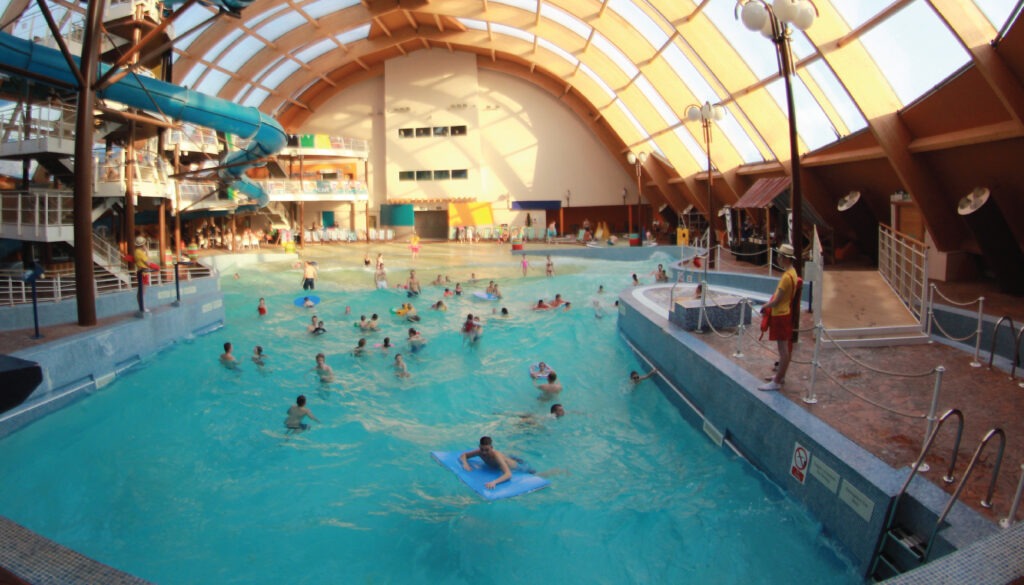
We were the first resort in the UK, and possibly the world, to heat a water park with local sustainable biomass instead of fossil fuels.
We were the first resort in the UK to switch to 100% bio LPG for our gas use.
We have carried out four years of full carbon footprints and understand our responsibilities to Net Zero and now have science-aligned targets for an ambitious 2040 timeline.
We are accredited by the Green Key eco award for hospitality, which opens us up to an annual independent audit on all our outputs.
Photo Credit: Bluestone National Park Resort
MR: These all sound like amazing initiatives. Can you tell me a little more about your conservation and the status of Bluestone as a nature reserve?
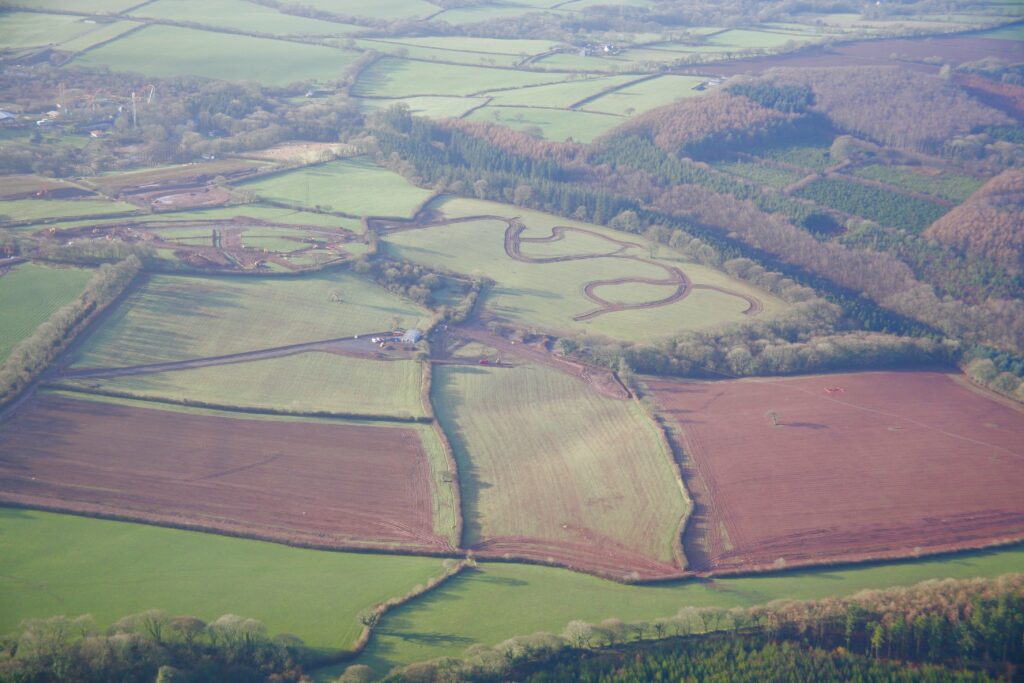
ML: Bluestone is classed as a nature reserve quality habitat and landscape, evidenced by a 2022 Wildlife Trust Consultancy survey. Wildlife Trust Consultancy looked at the ecology of the dairy farm before it was developed and compared it to the ecology of the whole site as a resort. They found that the uplifting biodiversity net gain is equivalent to that of a nature reserve. In addition to this, part of the site that hasn’t been built on; we have designated it as our own nature reserve. There’s a biodiversity action plan to manage that, aligned to the local priority species and habitats of the local biodiversity nature recovery plan for Pembrokeshire.
Biodiversity is critical to us — critical to everyone! — but a really important part of what we want to achieve. Biodiversity is a core component of our Bluestone blueprint.
Photo Credit: Bluestone National Park Resort
MR: Would you say that your biodiversity net gain is one of your biggest achievements?
ML: For sure; Bluestone is a blueprint for regenerative tourism. It’s not just about being sustainable. To sustain something is to look after it and preserve it, but to be regenerative you’ve got to think of the economic, the social, and the environmental. You must be able to increase and improve all three of these areas — add value to the local and wider economy; support people (e.g., through community work, staff, and guests); and finally, add value to the environment.
Biodiversity is so important; it goes hand-in-hand with carbon reduction. When Adonis Blue Environmental (a Wildlife Trust Consultancy) assessed our site, they estimated that Bluestone’s site and its biodiversity action plan is set to achieve more than a 50% biodiversity net gain. In doing this, Bluestone is creating a natural area connecting habitat and species and enhancing the wider Pembrokeshire Coast National Park.
To put this into perspective, a biodiversity net gain of 50% is five times the 10% required of most new developments in England, as of February 2024, with other parts of the UK to follow.
We’re inviting public and private landowners across the UK and internationally to model our operation as a blueprint for improving biodiversity, as part of the solution in tackling the present nature and climate emergencies.
MR: This all sounds fantastic and incredibly positive, but would you tell me what have been your biggest challenges to date?
ML: Ninety-eight percent of our footprint sits in Scope 3, which is our supply chain so tackling the supply chain emissions is the biggest challenge.
Another challenge, which is more fun, is trying to catch sight of the otters that have moved into our resort since we started developing the habitat — first recorded in 2019. We have evidence they are here through fleeting videos as they scurry past our camera traps, but I have yet to see one for myself.
The Eurasian Otter is a European protected species, U.K. priority species, and a Pembrokeshire priority species, so it’s a top priority for us.
MR: And, still thinking about the things we as an industry need to overcome, what are the biggest barriers to achieving your goals?
ML: For us the biggest barrier has been bringing everyone along with us in our ambitions. That culture change is required. We invest a huge amount of time and effort in engagement around ESG, in the supply chain and local community, but also with our staff. Since 2021, we have added an ESG session to the onboarding process of all staff and through departmental training.
A recent survey of our 900 staff returned a score of 97% for “sustainability being important to me,” and 94% saying they understood Bluestone’s decarbonisation ambitions. We are very proud of this engagement, as having our teams on board helps us to push forward with our vision.
In terms of guests, there’s mix of push and pull. There are those we try to engage in culture change, but many are driving us. An ever-increasing number of discerning guests are being drawn to our brand because of our ESG credentials and are propelling us forward with our ambition.
Photo Credit: Bluestone National Park Resort
MR: Stakeholder engagement, and trying to bring people on that journey, is always a tough one! It sounds like you’re doing really well with your staff. What else have you seen from a guest engagement point of view?
ML: Connecting with our customers by aligning with their sustainability values has been so motivating to see.
A recent survey with a response from 3500 guests told us that 95% believe climate change is something we should all be addressing, and 97% said sustainability was important to them, with 89% saying they would pay more for a sustainable product.
When we’re engaging our customers, we embed sustainability from the time of booking. Before they arrive, they receive reminders to bring a reusable water bottle with them — they can buy these onsite, but we want people to come with their own! Their digital welcome pack maps out how we recycle and what happens to our recycling and our food waste, so they can see what really happens behind the scenes.
There are more visual clues to our environmental ambition across the public and private spaces. For example, we have recycling boxes for nappies in every single toilet and every single lodge (and in fact, we may be the first resort in the world to offer nappy recycling!). You can also take part in history and cultural heritage walks that we provide for free around the resort.
MR: The concept of sustainability as an “enriching” activity is something that seems to be growing in popularity. Are there any other experiences, like the heritage walks, that you offer to guests?
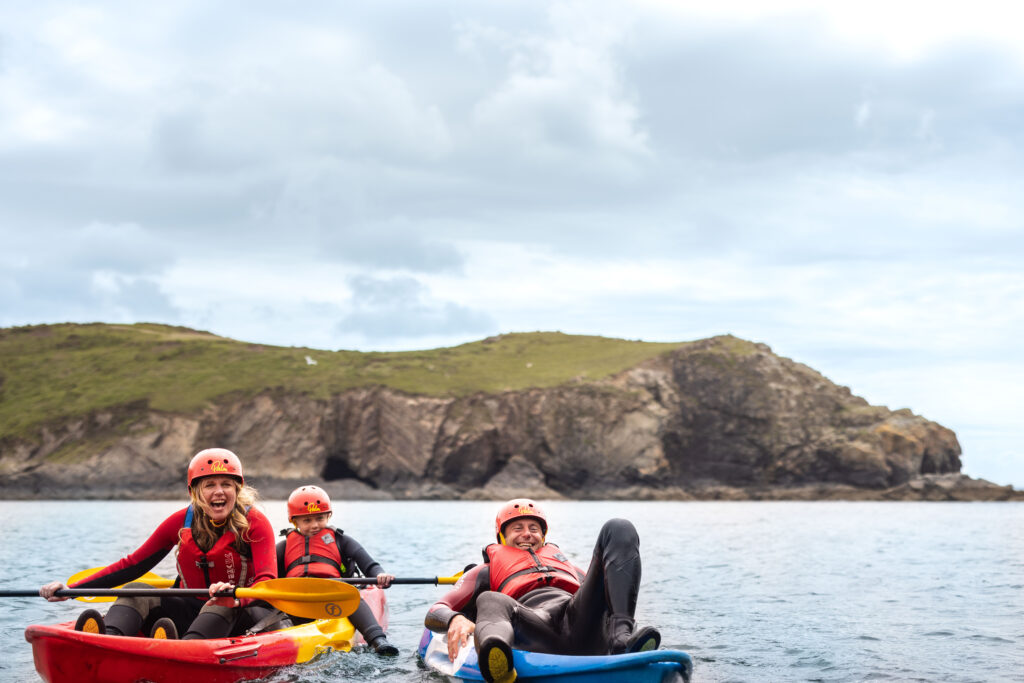
ML: Of course! We get guests involved as “nature detectives” so they can learn about the creatures that inhabit the resort. We also take guests off-site for activities on the waterways, as well as things like bushcraft and learning about specific wildlife.
We offer these enriching experiences because we want our guests to have wonderment.
It’s hard to get wonderment without learning something new! Going, “Wow, I didn’t know that!” — that’s much more wonderful that just seeing something sparkly and shiny and colourful. Having that new understanding of something really brings wonderment, which is something we want our guests to experience when they stay with us.
Photo Credit: Bluestone National Park Resort
MR: So, it’s important to create that sense of wonder and that link to sustainability as early as possible. At what point do you start considering sustainability during design?
ML: My role is to ensure that sustainability is one of the core considerations at design phase. The business case documentation for all projects has a section on sustainability. Measuring impact is my role and I am on the board to ensure this happens.
We also have a group called Team Planet, which I chair, that consists of various heads of departments. The group allows us to talk in a very collaborative way about challenges, barriers, successes, and innovations. This information can then be disseminated back to the business.
MR: And how do you factor initial investment costs with long-term operational savings?
ML: All projects and spend that is considered have to be scrutinised through our Vison Canvas pillars. These are:
Love our People
Refurb and reimagine — before new build
Protect our planet
Digital evolution
Making more guests happy
Our staff and guests, the local community, nature, and climate all have a seat in the board room when decisions are made. This frames all decisions on investment and ongoing costs.
MR: What excites you most about the future?
ML: Sustainability is increasingly important for consumers when booking a no-fly break. More and more people will start to visit national parks, areas of natural beauty, and other beautiful parts of our island.
Put in this context, our blueprint can help landowners, local authorities, and their respective communities to regenerate the land, regulate visitors, and direct them to the places they would prefer them to be in terms of footfall.
I’m incredibly passionate about sharing our Bluestone blueprint, not only because we think it’s a fundamental part of explaining how Bluestone has become the vision that we set out on our Green Book, but also because we are offering it up to the wider industry to take our ideas and run with it.
Sustainability isn’t about what we can do as individuals, it’s about what we can do together, and our Bluestone blueprint really feeds into this idea of sharing and learning and not being territorial.
Photo Credit: Bluestone National Park Resort
About Bluestone National Park Resort
Bluestone National Park Resort is an award-winning 5* luxury, self-catering holiday resort near Narberth, Pembrokeshire, nestled in 500 acres of rolling countryside. The resort has over 400 accommodation units and offers a diverse array of activities as well as the opportunity to explore the Pembrokeshire coastal national park. Bluestone has been voted the no.3 holiday park and resort in the UK and ‘Wales top resort’ in 2024 Which? Survey, over and above Center Parcs, Warner Leisure Villages and Parkdean. The resort has been committed to improving sustainability and maintaining the local environment since opening in 2008. Bluestone’s Carbon Footprint is calculated externally by the Zero Carbon Forum, with scope one and two energy emissions publicly disclosed annually through Companies House. In 2022 Bluestone stopped selling water in plastic bottles, communicating with guests before arrival reminding them to bring their own reusable water bottles, providing refill stations around the resort for free access to drinking water.
Winner – British Travel Awards 2024 – Best Company for UK Parks and Lodges Holidays
About Storyland Studios
Storyland Studios is a full-service experience design firm with offices in the US and Europe. We imagine, design, and create immersive experiences and environments that lift the Spirit. Storyland Studios team Members and Executive Leadership include alumni from The Walt Disney Company, Walt Disney lmagineering, Pixar Animation Studios, Universal Studios, and LEGOLAND® – all passionate about creating immersive storytelling experiences that shape culture and connect with people on an emotional level. storylandstudios.com
Sports venues have long been the heart of fandom, where memories are created, victories celebrated, and rivalries fueled. But in the 21st century, these arenas and stadiums are evolving beyond game-day spectacles.
A growing trend sees sports venues reimagined as entertainment, retail, and dining hubs designed to drive revenue and attract visitors year-round. Storyland Studios’ strategy, consulting and experience design teams are increasingly asked to speak into amateur, collegiate and professional sports venues due to our longstanding reputation for imagining, designing and creating story-inspired experiences.
This transformation marks a significant shift from single-purpose facilities to dynamic community and economic anchors.
The rise of mixed-use sports complexes
Historically, sports venues were built as standalone facilities, often surrounded by vast parking lots. Today, forward-thinking developers and team owners see an opportunity to enhance their value by incorporating mixed-use elements. These additions provide fans and visitors with a reason to linger before and after events while also drawing non-sport-related traffic during off-peak times.
Take, for example, Truist Park in Atlanta, the home of the MLB’s Atlanta Braves. The stadium is part of The Battery Atlanta, a mixed-use development featuring restaurants, bars, retail stores, a concert venue, and office space.
The Battery Atlanta has transformed the area into a vibrant destination that thrives independently of baseball season. Visitors can dine at popular spots like the Garden & Gun Club or catch a live show at the Coca-Cola Roxy, ensuring steady foot traffic and revenue generation.
Key drivers behind the trend
Economic diversification
By integrating retail, dining, and entertainment into their facilities, venue operators can diversify their income streams. Game attendance may fluctuate due to team performance or economic factors, but these ancillary services provide a reliable source of revenue regardless of what happens on the field.
The experience economy
Today’s consumers crave experiences over transactions. Visiting a sports venue is no longer just about the game; it’s about the entire outing. By offering dining options, concert venues, and unique attractions, venues can turn a few hours at a game into an all-day experience.
Community engagement
These projects position sports facilities as neighborhood hubs that serve the broader community. This shift fosters goodwill and creates additional opportunities for civic partnerships, sponsorships, and local business collaboration.
Notable examples of year-round engagement at sports venues
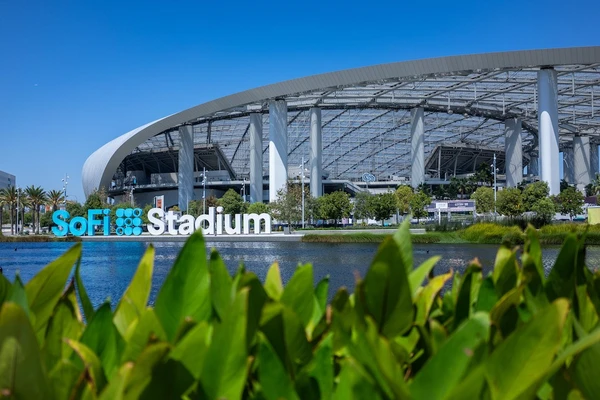
SoFi Stadium — Los Angeles, California, US
As the centerpiece of Hollywood Park, SoFi Stadium is much more than the home of the NFL’s Los Angeles Rams and Chargers. Hollywood Park boasts a retail promenade, office space, and a residential district. The venue is also set to house a performance venue and numerous community programming events, ensuring the area is vibrant even when no games are scheduled.
Storyland Studios had the opportunity to contribute to key design elements within this facility.
Wembley Stadium — London, UK
Wembley Stadium, one of the most iconic sports venues in the world, is more than just the home of English football. The surrounding area features retail spaces, restaurants, and entertainment facilities. The nearby London Designer Outlet offers discounted shopping, ensuring visitors have ample reasons to visit beyond match days.
Events like concerts and community gatherings also make Wembley a year-round attraction.
Titletown District — Green Bay, Wisconsin, US
Next to Lambeau Field, the home of the Green Bay Packers, lies the Titletown District—a mixed-use development featuring a hotel, brewery, activity park, and coworking space. By providing family-friendly activities and a range of leisure options, Titletown ensures that fans and local residents view the area as more than a game-day destination.
Tottenham Hotspur Stadium — London, UK
Tottenham Hotspur Stadium stands as a beacon of modern design and multi-functionality. In addition to hosting Premier League matches, the stadium features premium dining experiences, a rooftop attraction called The Dare Skywalk and is equipped for NFL games and concerts. The stadium’s advanced facilities ensure consistent usage, while nearby developments, including local businesses, enhance its appeal as a broader destination.
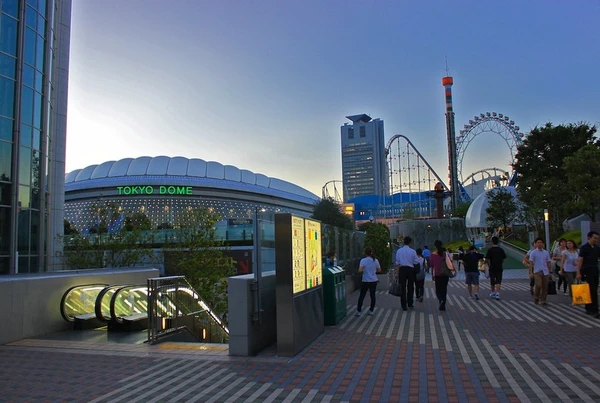
Tokyo Dome — Tokyo, Japan
The Tokyo Dome is part of Tokyo Dome City, a sprawling entertainment complex with an amusement park, a hotel, a spa, and a shopping center. Visitors can enjoy a day of roller coasters and other attractions before attending a baseball game or concert inside the Dome. This integration of entertainment and sports exemplifies how venues can create unforgettable, full-day experiences.
Overcoming challenges
The shift toward multi-purpose venues comes with challenges, from navigating zoning regulations to managing construction costs. Collaboration with local governments is often critical, particularly when public funding or incentives are involved. Additionally, developing a year-round attraction means addressing concerns from neighboring communities, including traffic, noise, and public safety.
However, these challenges are frequently outweighed by the benefits. Investments in mixed-use developments contribute to increased property values, job creation, and improved public infrastructure. Moreover, these projects can rejuvenate underutilized areas, turning them into bustling economic hubs.
The retail playbook for sports venues
Retail components within sports venues are another key to unlocking year-round potential. Developers have begun integrating traditional retail experiences alongside niche offerings that complement the venue’s identity.
For instance, Mercedes-Benz Stadium in Atlanta offers concessions through partnerships with local chefs and restaurateurs, elevating game-day dining beyond typical stadium fare. In Green Bay’s Titletown, curated retail includes sports-themed boutiques and family-focused shops, ensuring relevance to visitors’ diverse needs.
In some of the sports projects we’re currently working on, we’re looking at a model where retail, dining and entertainment would be open every day, not just on game day.
One critical insight from this trend is the importance of curating offerings that align with the target demographic. A stadium hosting NBA games in a metropolitan area might emphasize nightlife options, while a suburban baseball park could invest in family-oriented attractions.
Leveraging technology and data in sports venues
The integration of technology is playing a transformative role in this trend. Mobile apps, for example, allow visitors to reserve dining spaces, order concessions, or explore retail offerings without waiting in line. Analytics tools help venues understand consumer behavior, enabling operators to refine offerings and drive personalization.
Take T-Mobile Arena in Las Vegas: It harnesses data analytics to manage event operations and tailor marketing campaigns, driving greater consumer engagement. Visitors who see their preferences reflected in the venue’s offerings are more likely to return and spend.
A blueprint for future development
Adding entertainment, retail, and dining to sports venues is more than a passing trend; it’s a proven strategy to create thriving ecosystems that generate economic value far beyond game-day revenue.
Developers aiming to replicate this success should consider several best practices:
Understand the audience: Know the community and fan base to create offerings that resonate with their interests and lifestyles.
Partner strategically: Collaboration with local businesses, chefs, and entertainment providers fosters authenticity and community integration.
Design for flexibility: Build spaces that can host varied events, from concerts to farmer’s markets, ensuring year-round appeal.
Focus on connectivity: Seamless transportation and access are critical to drawing consistent crowds beyond game day.
Conclusion
In an era where sports teams compete for both fans and revenue, the reimagination of sports venues as multifaceted hubs is a game-changer. By integrating entertainment, retail, and dining, these venues create vibrant destinations that benefit fans, communities, and bottom lines alike.
From the urban innovation of The Battery Atlanta to global icons like Wembley Stadium, Tottenham Hotspur Stadium, and Tokyo Dome, the possibilities for transforming sports facilities into engines of growth are limitless.
As venues evolve, they redefine what it means to experience sports and what these cultural landmarks can contribute to our lives.
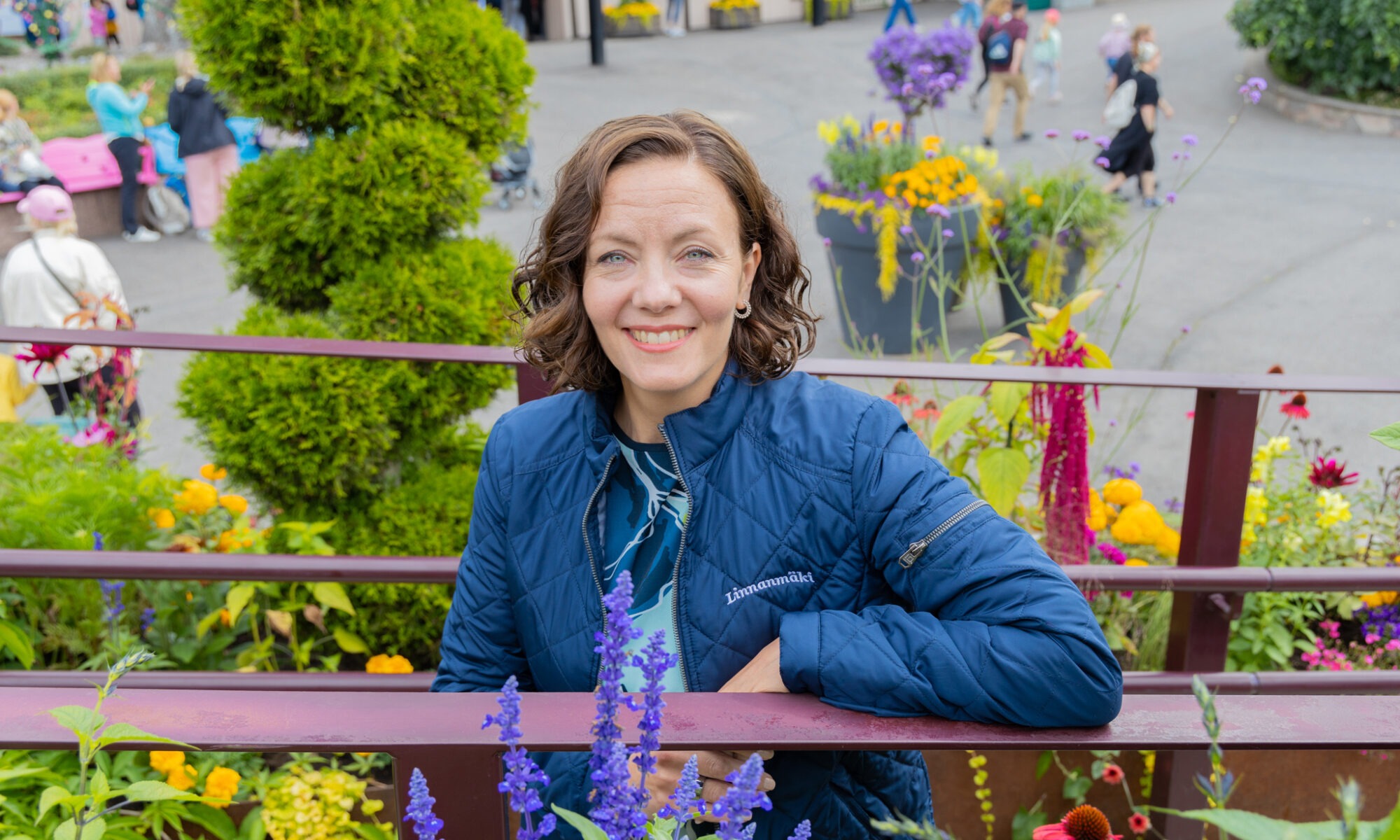
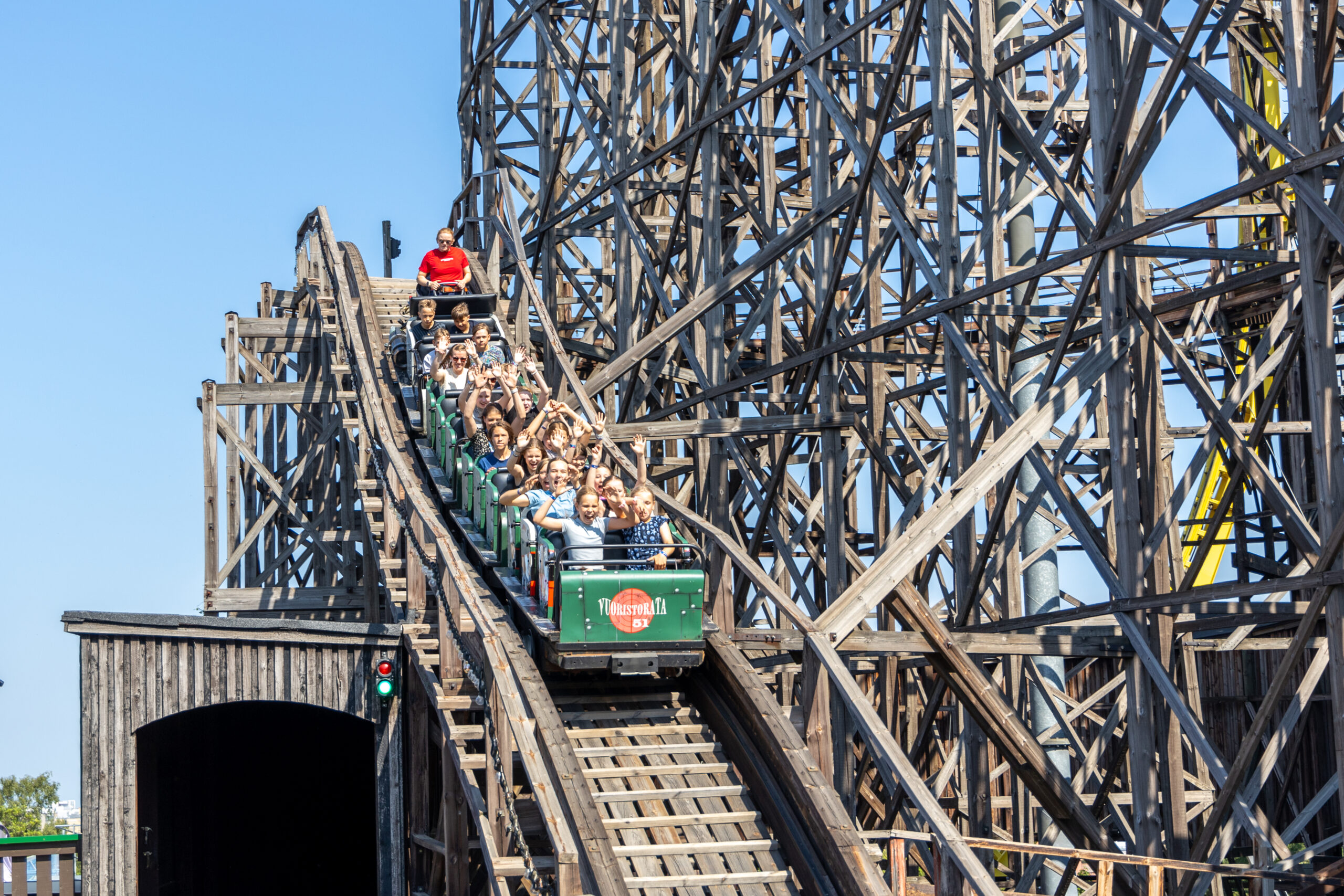
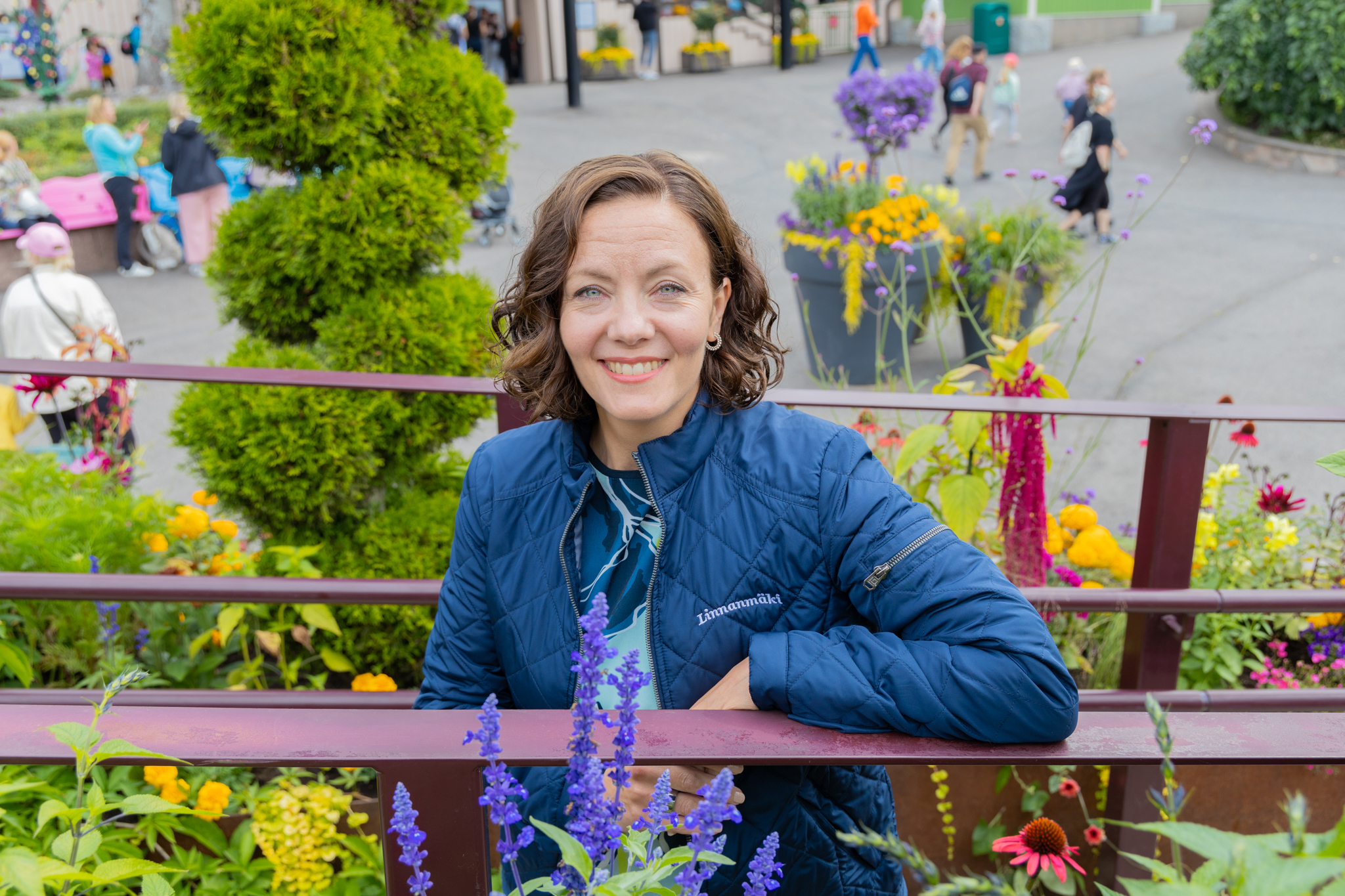
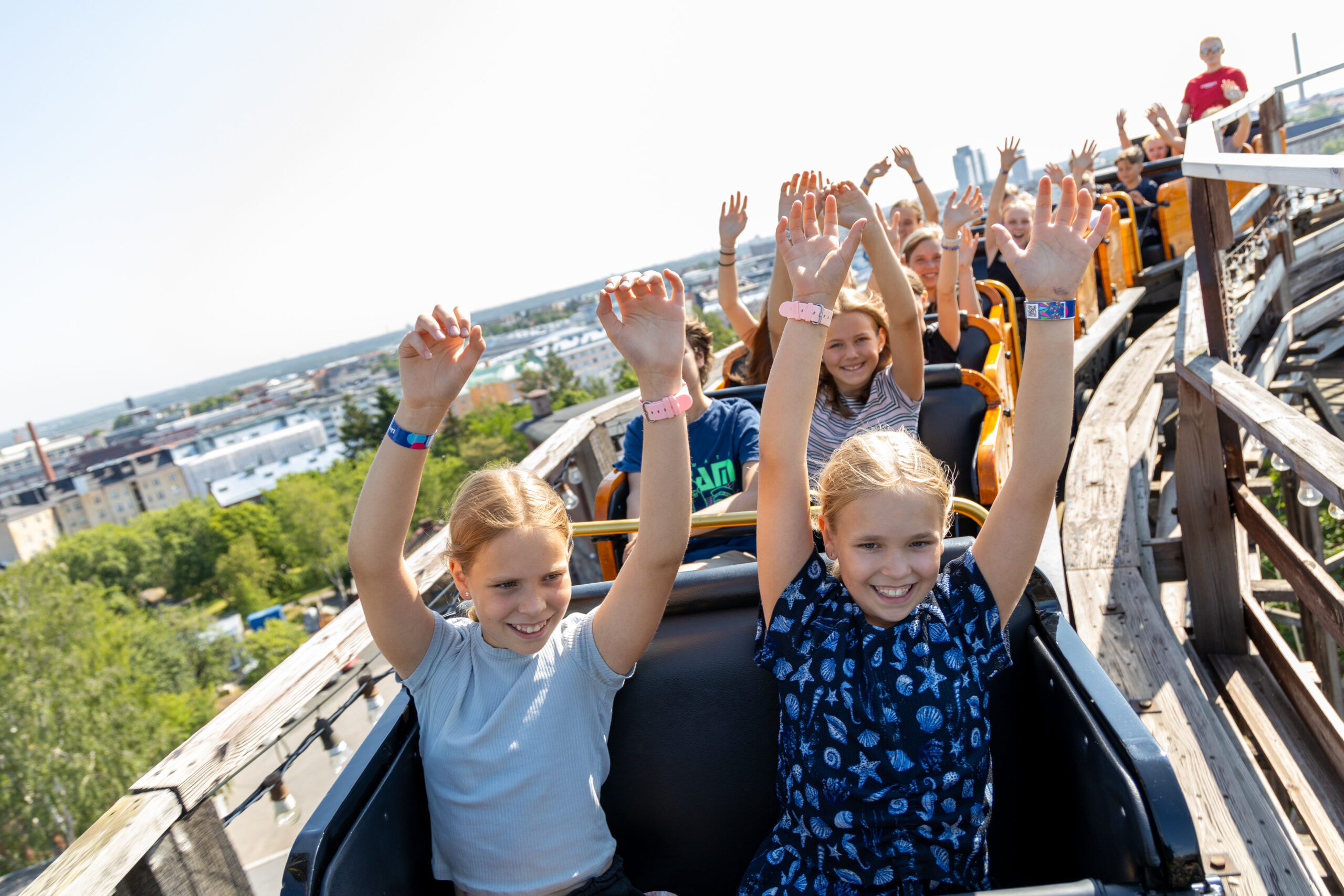
Storyland’s Marie Rayner sat down for a chat with Satu Orismaa, Director, Safety and Security, Sustainability and Events at Linnanmäki Amusement Park in Helsinki, Finland. This seven-hectare, city-based amusement park was established in 1950 by six child welfare organizations and features 42 attractions. Linnanmäki has always been, and continues to be, a force for good.
We were honoured to interview Satu to understand more about Linnanmäki, its integrated sustainability strategy, and its mission to raise funds for child welfare work.
Marie Rayner (MR): Tell me a little bit about Linnanmäki and your role.
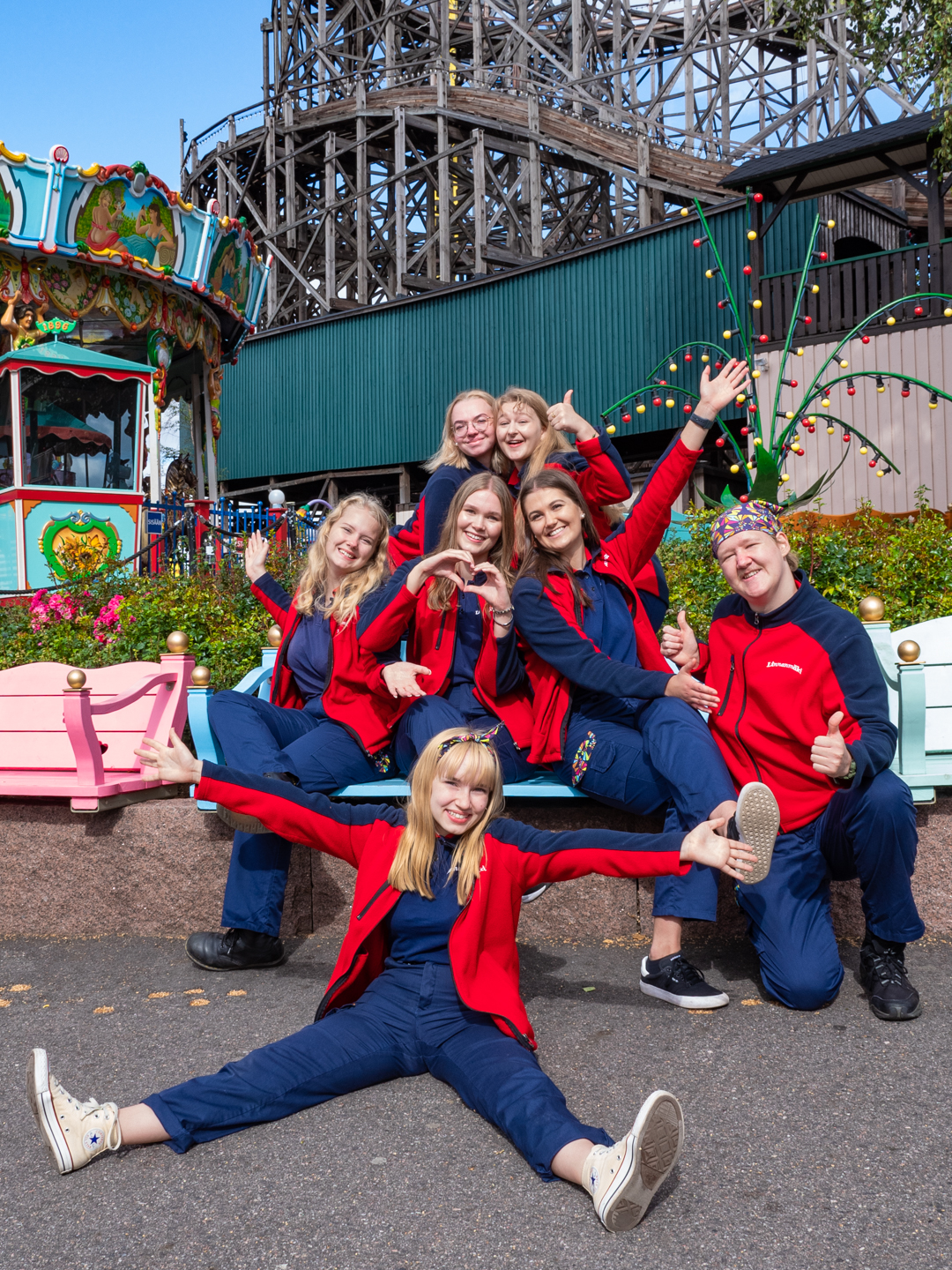
Satu Orismaa (SO): Linnanmäki is a longstanding amusement park in Finland, owned by Children’s Day Foundation. As a seasonal park, we are open six months of the year and during that time we serve around one million visitors. We employ 800 “Funmasters” — we are all masters of creating fun at Linnanmäki! — and through our mission we have a strong social sustainability background.
Linnanmäki has a unique mission with social value impact going back to the park’s founding. Six child welfare organizations needed funds to support their work, and they founded Linnanmäki amusement park to raise funds for children’s welfare. Seven years later, in 1957, they founded the Children’s Day Foundation to manage [operations].
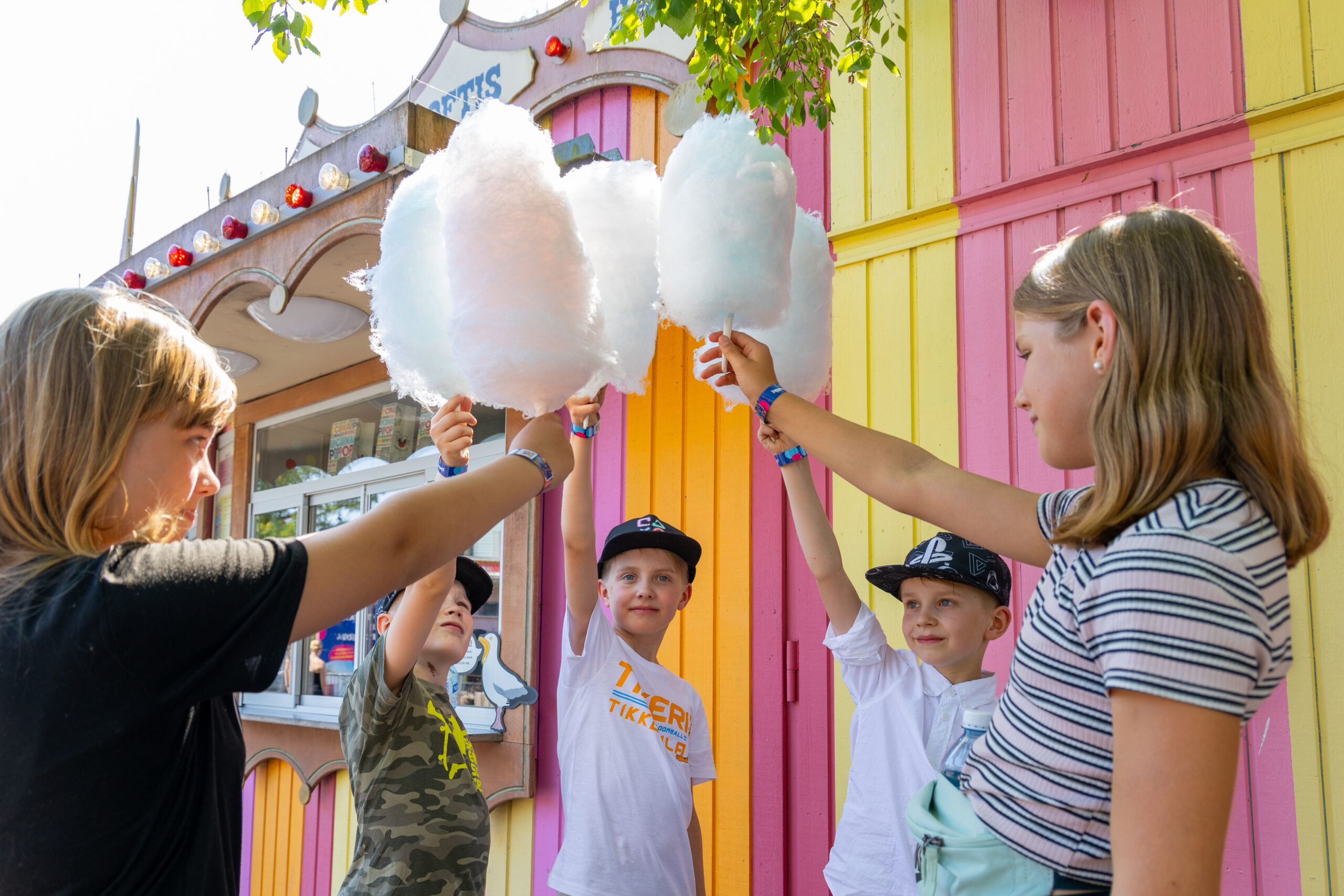
Still today we offer free entrance to the park, free playing areas, and some free rides. Guests can bring their own food and drink to the park. We want to provide those wonderful, happy experiences to everybody.
At the end of each season, Children’s Day Foundation donates funds to support child welfare work — which has led to €130 million donated to date. So, while our guests are having fun at Linnanmäki they are also supporting child welfare work.
MR: You mentioned that you started working for Linnanmäki as director of sustainability in 2021. So you were already passionate about sustainability before you started?
SO: Absolutely! I got excited about sustainability more than 15 years ago. At that time, less information was available, but that was the beginning of a learning journey.
MR: But your passion carried you through!
SO: To me, passion is the key; be passionate and invite others on the journey with you. [Making] businesses sustainable should be all our responsibility. It’s not just about the environment — it’s about the business being sustainable also in many other ways.
Linnanmäki is a truly unique park with an amazing social impact. It’s been around for 74 years, and our job is to make sure it stays around for another 74 years – so it can continue to have a positive impact. And that’s really a theme in the attractions industry as a whole.
The attractions industry creates these wonderful moments for families and friends to experience together. For example, in an amusement park like Linnanmäki, which can be considered part of cultural heritage of the city, we see generations coming back time and again to enjoy the park.
MR: How would you describe your sustainability approach?
SO: The great thing about Linnanmäki is that our sustainability strategy is embedded in our overall strategy. We base our sustainability on four pillars:
Our Funmasters: By employing Funmasters and helping young people enter working life, we seek to support them, as well as the development of working life and service culture in Finland.
Lots of fun: By offering joy, fun, and shared experiences to our guests from generation to generation, we seek to cherish Finnish cultural heritage.
Our mission: We donate funds to support the wellbeing of children and families in Finland.
Environment: We consider our environmental impact to ensure sustainable development.
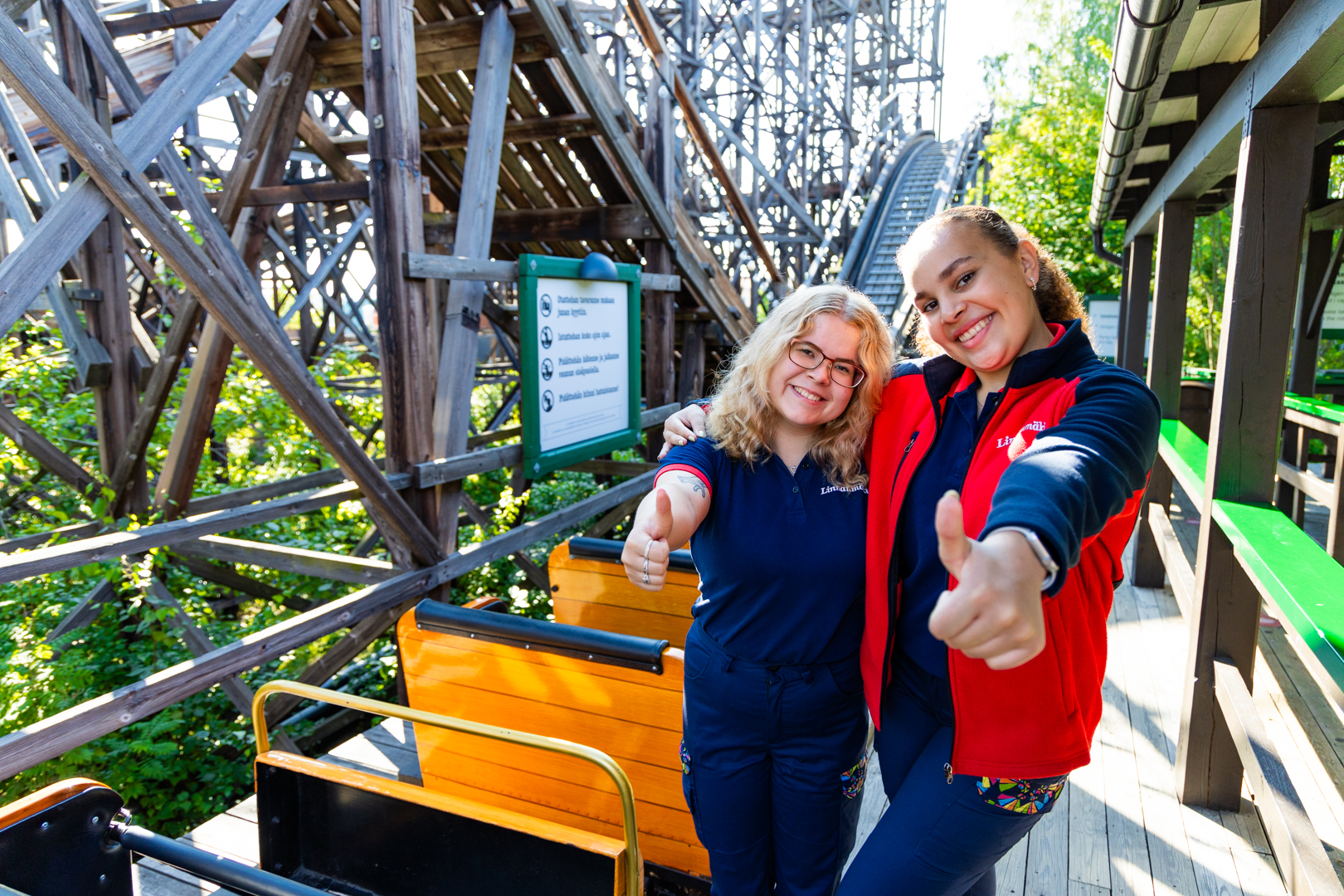
We have the responsibility of being an employer to 800 Funmasters. We employ people of all ages: many of them are young, and we aim to find roles that are best suited to everyone’s unique skills. Every Funmaster succeeds best when they are allowed to be themselves and use their own personality in their work. Being a Funmaster is our common service model, which everyone has their own personal way of implementing.
We believe that the “funbeing” of our Funmasters is key to Linnanmäki’s success. We believe that by ensuring funbeing, our Funmasters are able to provide the best service to our guests. When our guests are happy, they will return.
[So we have] Funmasters, happy customers and our mission to raise funds to support child welfare work — and enabling all this is our environmental approach. However, sustainability isn’t only about sustaining, we strive to be actively regenerative to enhance the existing journey.
Awareness on sustainability is growing. The operating environment is changing around us, so there’s always new ways and more we can do.
To learn, we should be listening, engaging, and gaining many different perspectives. The more dialogue we have with our guests, Funmasters, partners and other stakeholders, and the more active we are in our communities — the better we’ll be able to understand what is actually meaningful.
It’s a constant learning journey where you are never ready.
MR: You talk about never being ready, but it feels like Linnanmäki has done a great job of embedding its sustainability approach. Is there anything you look back on and wish you had done differently?
SO: Originally, we thought, “Maybe we need a separate strategy for sustainability.” We took the approach we would need to design a plan, perfect it, and then launch it.
However, very soon we realized that we needed to focus on the day-to-day things, while we also have a longer perspective on the decisions we make. Once we focused on what is truly meaningful and understood how the themes of sustainability are embedded in the core of Linnanmäki, things became much clearer.
MR: Thinking about some of these actions and ideas, what would you say are the most important considerations for Linnanmäki when it comes to design?
SO: Linnanmäki amusement park is in a city area surrounded by housing. We want to be a good neighbor and support the positive area development with our park design.
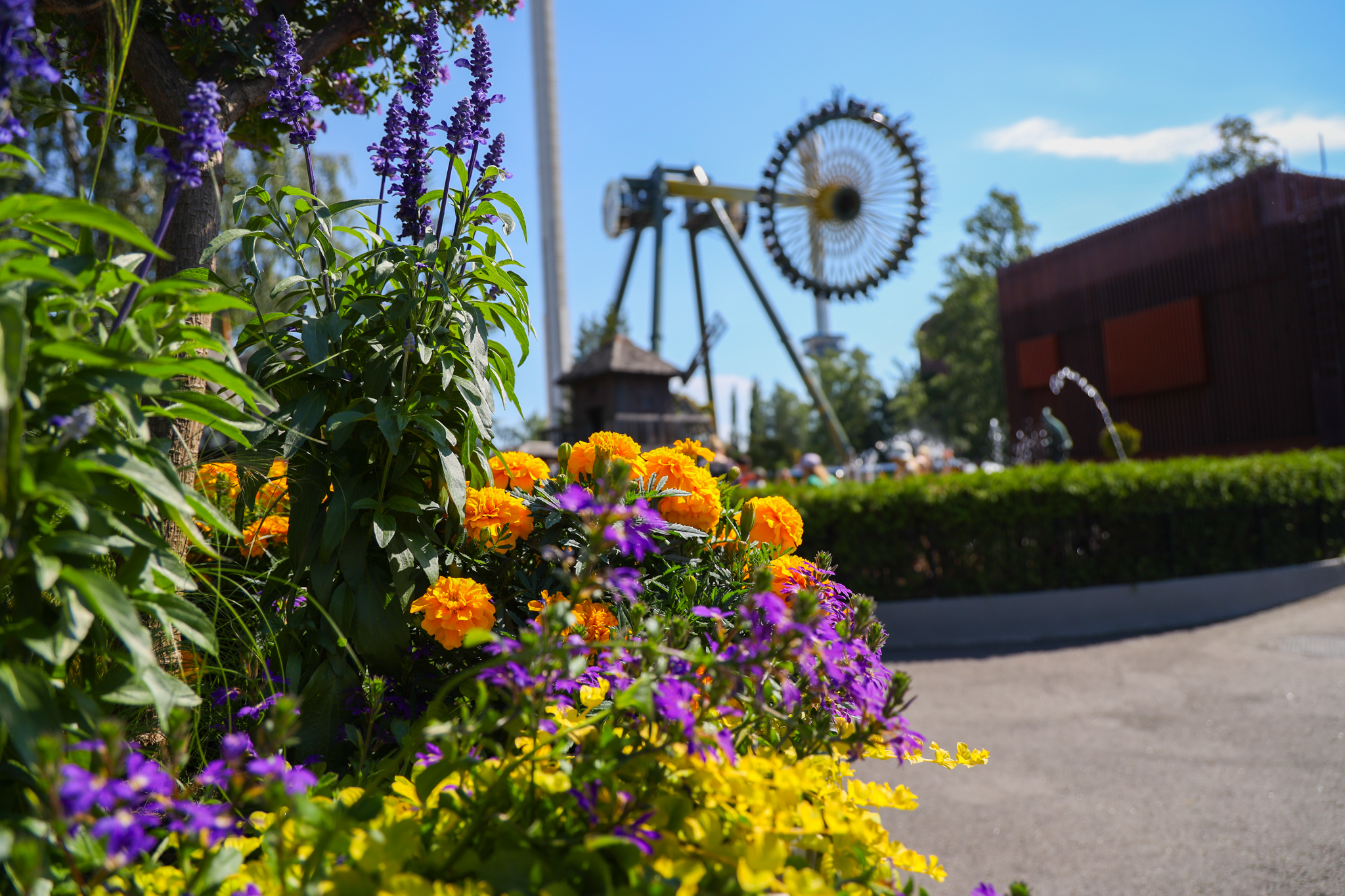
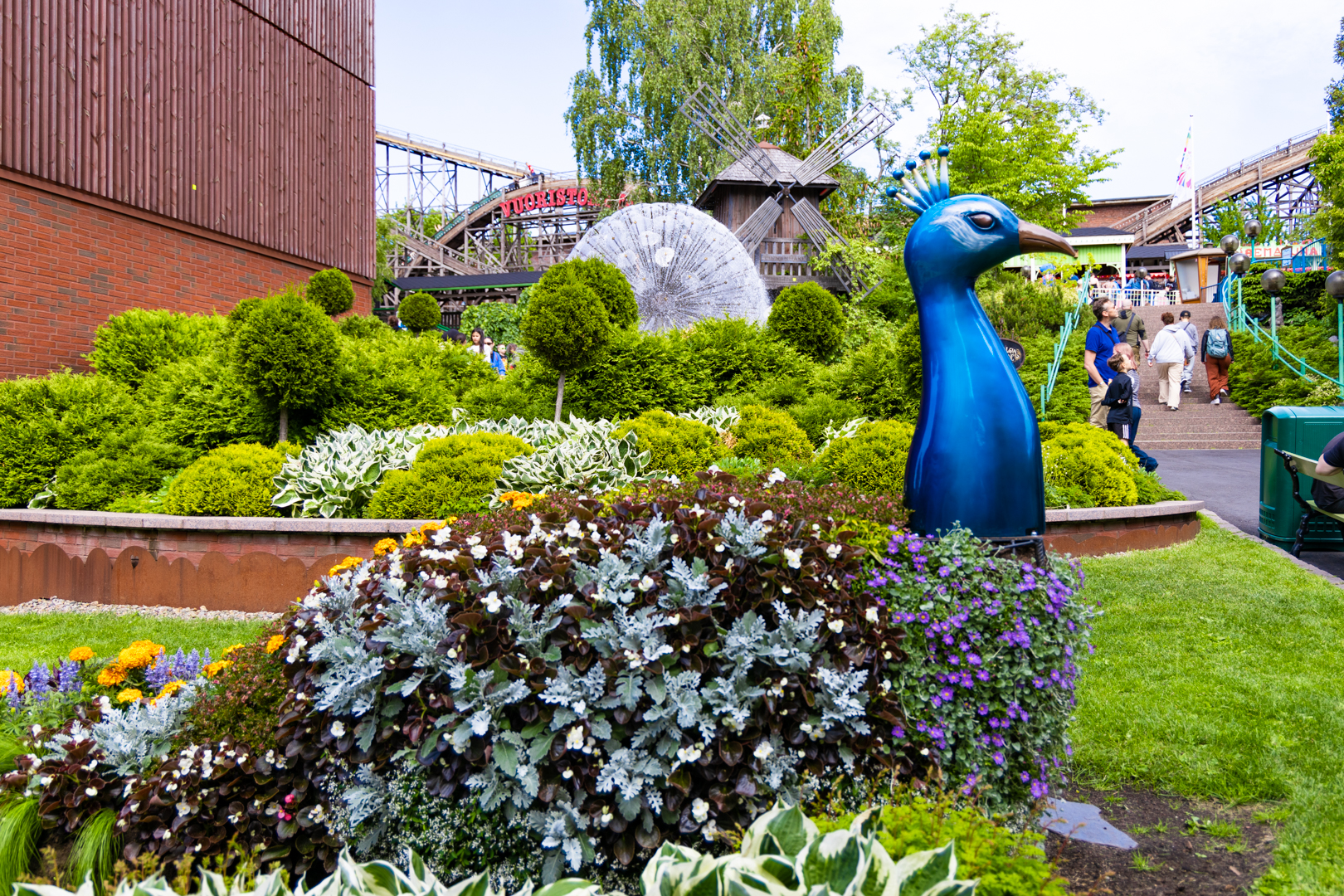
A key area of focus for Linnanmäki is that we have a beautiful garden that enables recreation. Three of our seven hectares are green space. Our head gardener and visual team take care of the park’s overall theming, designing and visual comfortability: We invest a lot in plantings, and we really focus on how our rides, attractions, restaurants, shops and other services create a unique experience. We plant thousands of flowers, have a greenhouse of our own to grow perennial plants, and we have installed green roofs and bird houses that are unique and designed to match the theme of the park.
We focus on the use of materials and one of the key features is durability — making sure what we build has a good lifespan, so that we are not wasting resources by constantly rebuilding.
We also focus on accessibility, and we want to create a park that people feel comfortable in. This is important for our guests, but it’s also a priority to make Linnanmäki a safe, comfortable and enjoyable working environment for our Funmasters.
MR: What do you see as the main barriers or challenges facing our industry when it comes to sustainability?
SO: Resource scarcity and climate change are big challenges. They can have a [significant] impact on our operations and are on everyone’s radar. This is our shared planet and taking care of it is our shared responsibility.
There are companies with years of experience, and startups with very little knowledge. To tackle the sustainability challenges, how can we bridge that gap of knowledge and best support one another?
Luckily more and more information is available. Following this and learning from others is important. When we connect and work together, we can achieve greater impact.
MR: Would you like to share a final piece of advice before we sign off?
SO: Let’s be humble, keep learning and share our passion. We can always get better and it’s about understanding what our capabilities are and what is meaningful.
When we share knowledge and insights, we come up with new ideas that lead to actions — that’s when magic happens.
Trinity Florida site, designed to redefine North Tampa community as Florida’s ‘Sports Coast’, revealed in massive multi-use lifestyle development project announced at IAAPA 2024 Expo in Orlando.
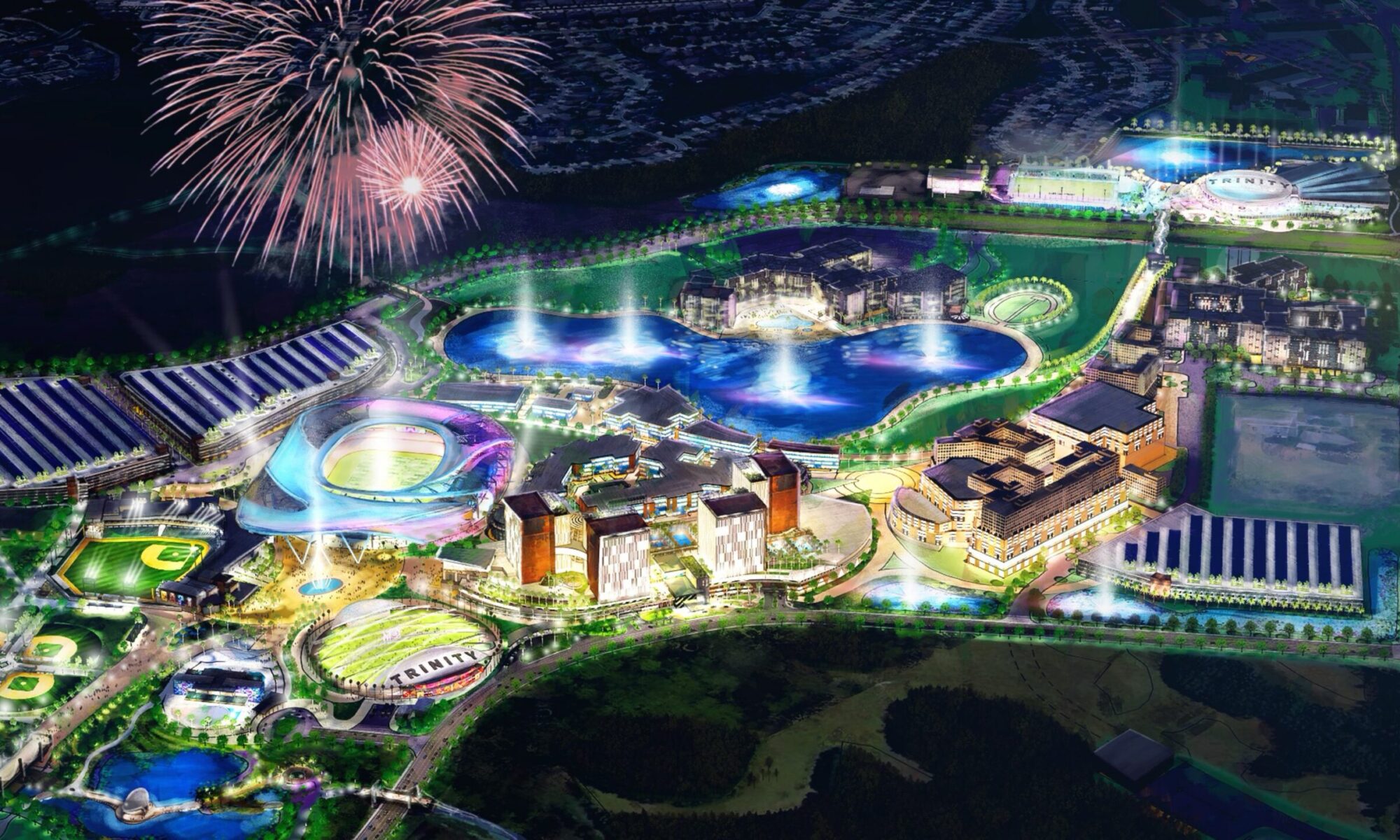
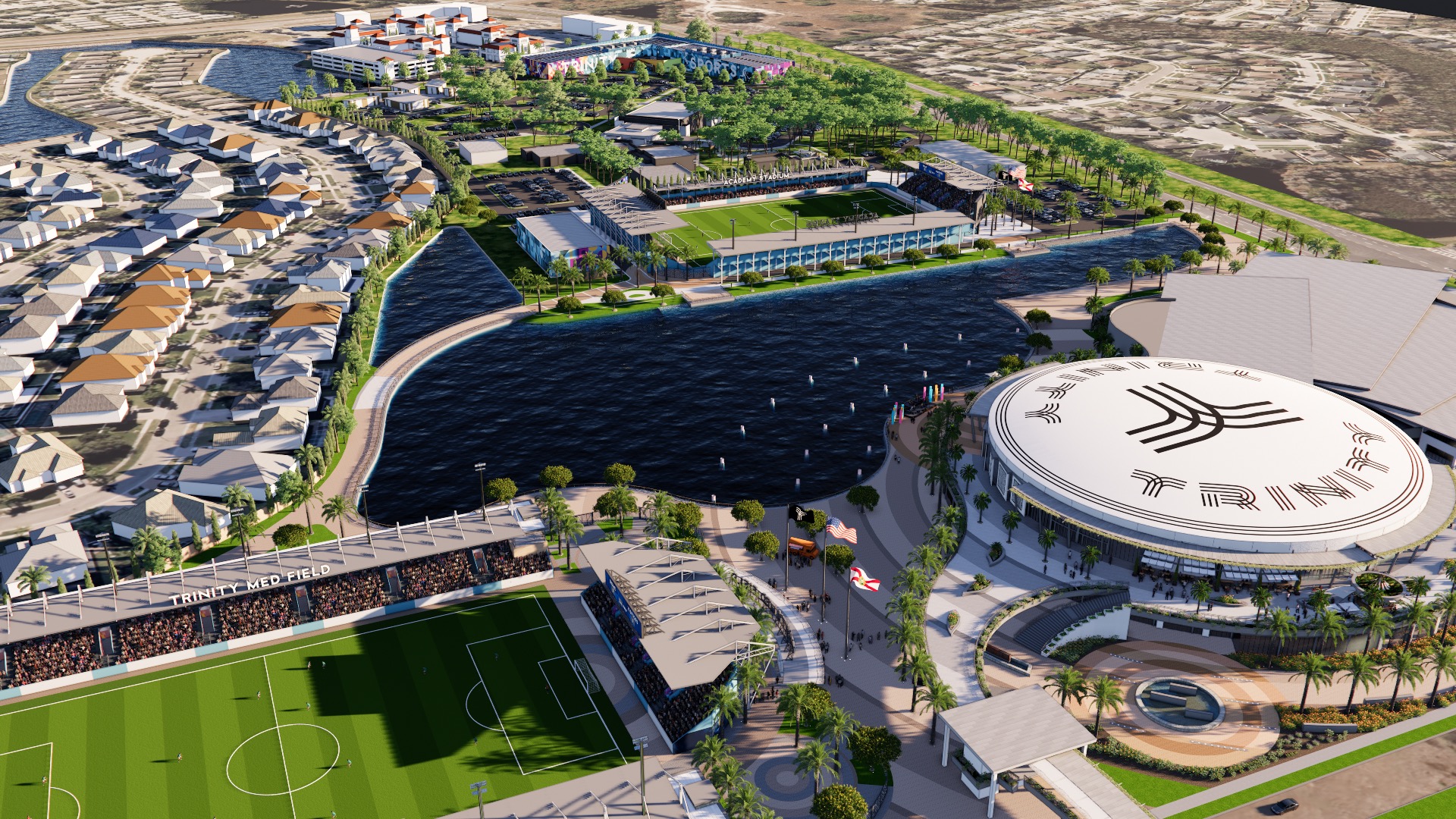
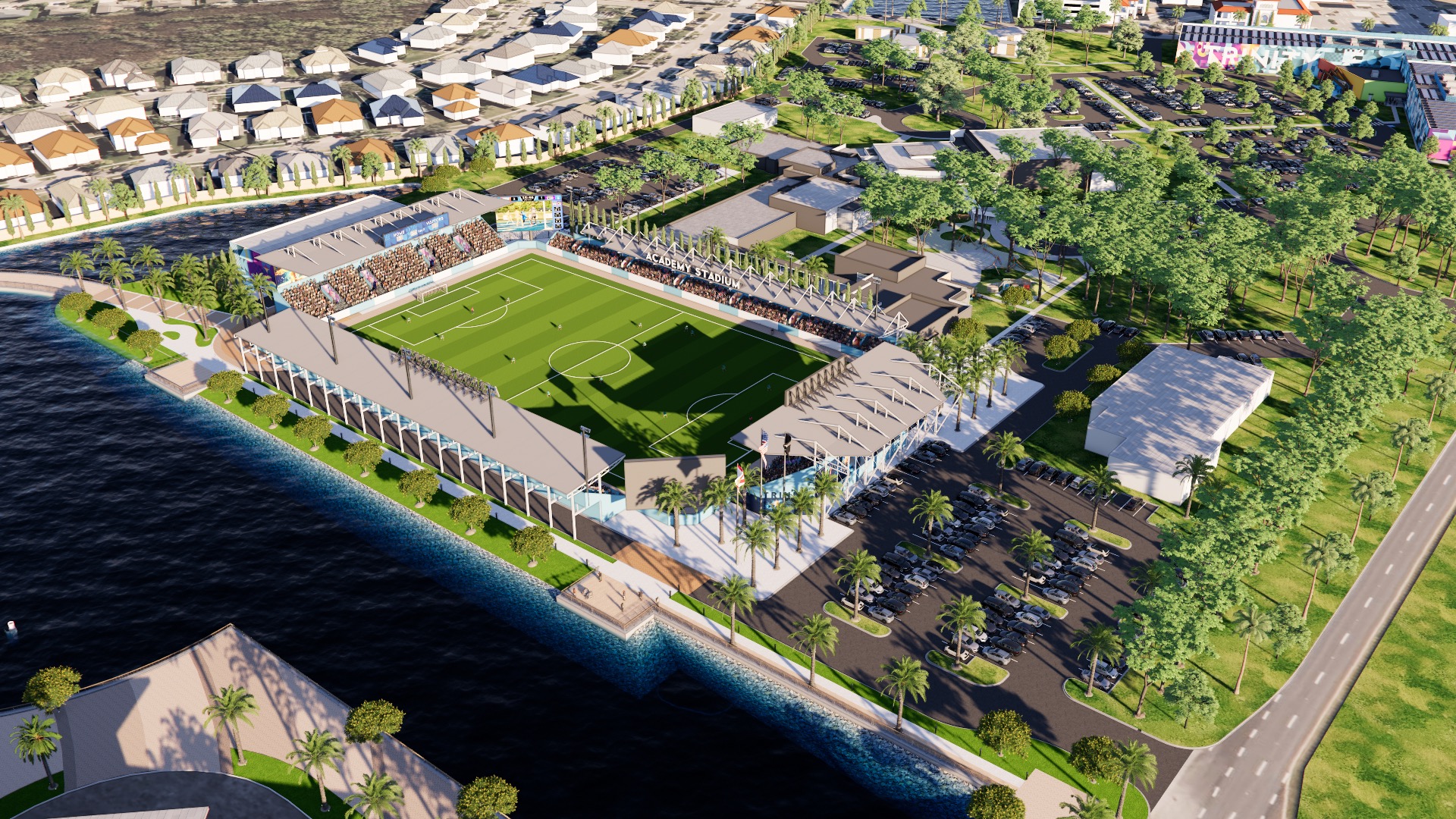
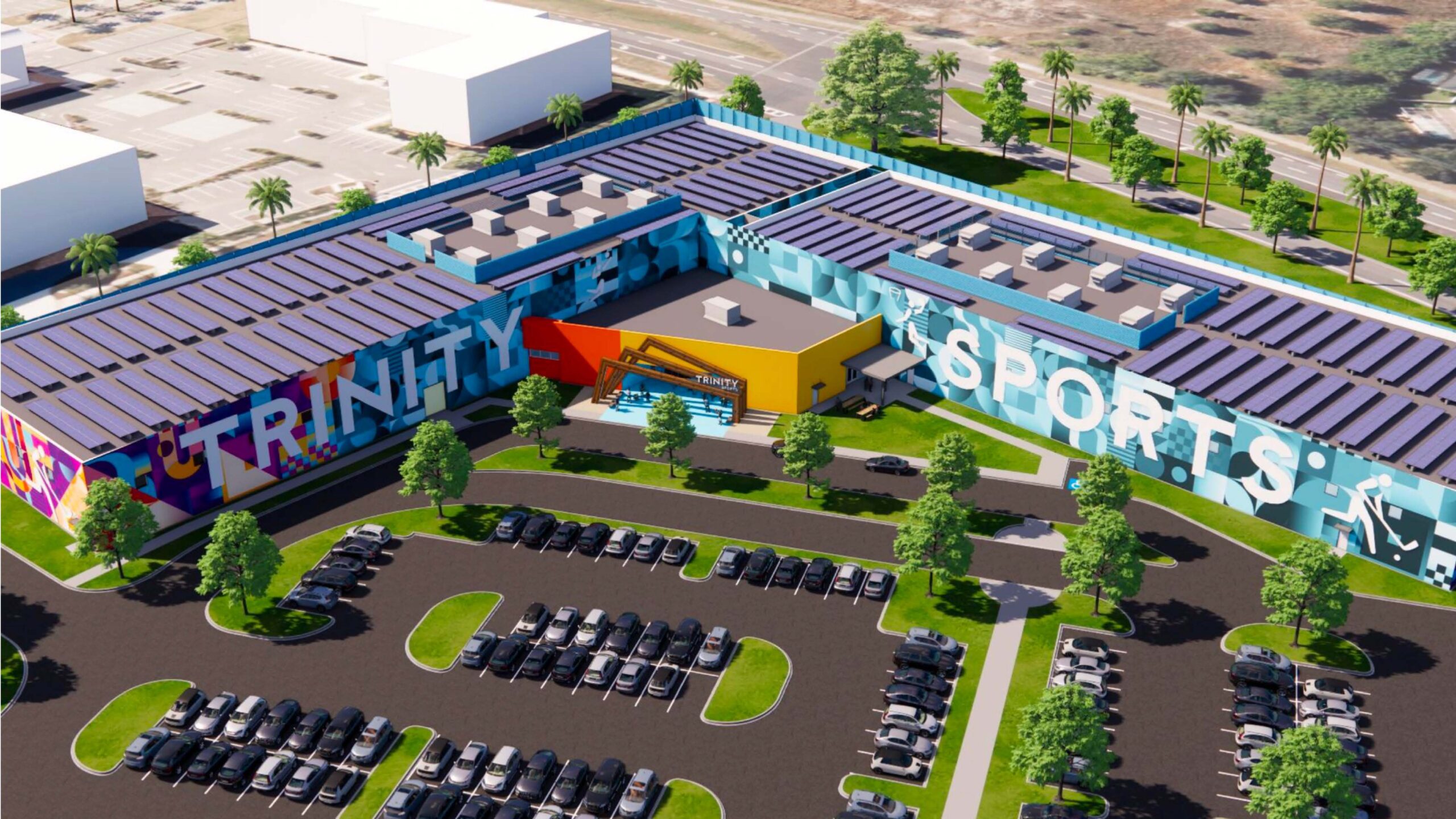
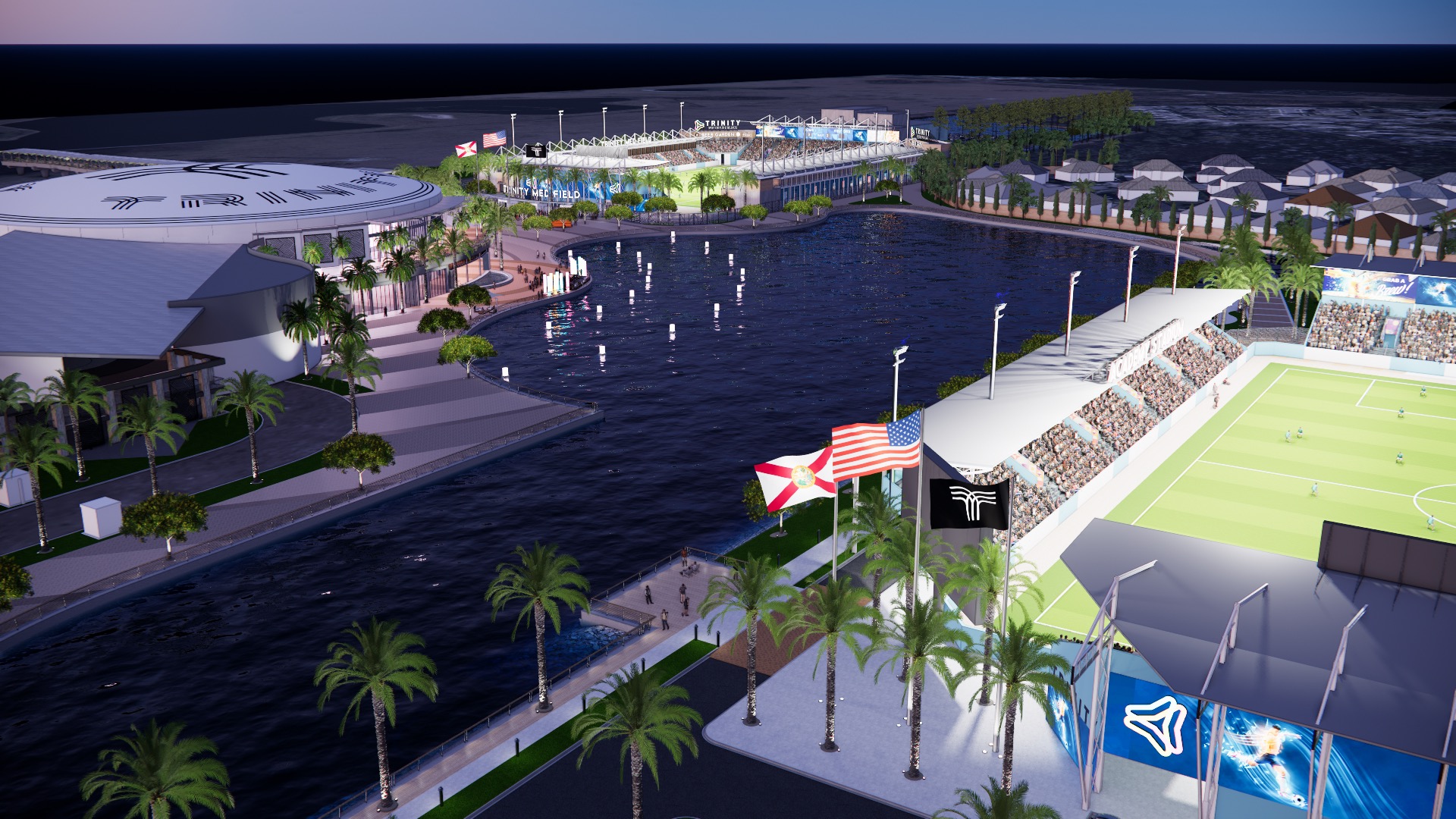
Plans for the nation’s largest sports entertainment community development were announced at the 2024 IAAPA conference in Orlando. It’s a place designed for thousands of fans, teams and families to cheer, compete and make legendary memories on nearly 800+ acres in Florida’s Pasco, County. Known simply as “Trinity”, the project will blend sports entertainment, arts, and health focused facilities and amenities into a sustainable lifestyle community themed and designed by Storyland Studios. The project design was announced today at the IAAPA Expo, an annual conference of attraction professionals, experience craftsman and suppliers with members in more than 100 countries.
Storyland Studios has envisioned indoor and outdoor sports stadiums, arenas, complexes, professional fields and recreational spaces that compliment a mixed-use landscape complete with hotels, retail centers, an arts and theatre district, restaurants, medical centers, and residential developments in an area six-and-a-half times the size of Orlando’s Disney Springs. While still in pre-development, “Trinity” will be the largest community land development project in the United States.
“A story is waiting to be shared here by athletes, coaches, teams and the families that will gather on these acres from across the country,” said Matt Ferguson, Storyland Studios Chief Innovation Officer. “Professional, collegiate, amateur and community athletes will have world-class facilities in which to compete, train, work and play here in pursuit of their dreams, with all the support facilities necessary to see those dreams become everlasting personal and shared family memories.”
The project’s development team at Trinity Development Initiative, Inc. (TDI), has been inspired with the help of Storyland Studios’ designers to imagine the assembled land transformed into a city center supporting the ‘Sports Coast’ identity of North Tampa through sports entertainment, art and cultural events, and a health-centered lifestyle community with attention to helping shape the body, mind and soul of the total athlete and those that support them.
“This community loves sports and the arts, and yet, it is difficult to engage in those pursuits with most of the professional and amateur facilities and venues located well outside of our area,” said Johnny Scott, CEO of TDI. “We want to give this community – one of the fastest growing in America – the very best in sports entertainment, with all the convenience of great shops, restaurants, hotels, and all the lifestyle amenities to help them live their best life here and now. Whether they are working here, competing here or finding ways to connect into the community here, this will be a destination were athletes, artists, and dreamers — and the families that support them — will always find themselves at home.”
A professional soccer stadium, an ice arena complex with five sheets of regulation and practice ice, a 7,500-seat regulation baseball stadium and amateur multi-field training complex, a basketball arena and a variety of collegiate and amateur sports venues will attract teams and spectators from around the country to Trinity for tournaments, events and games year-round. An outdoor adventure park for trail and off-road sports along with a performing arts center that will attract touring and regional art events will add to the draw and memory-making opportunities planned for Trinity.
“It’s rare to find a vision that is so intentional on serving the community that it calls home and calling others from across the country to an experience,” said Mel McGowan, Storyland Studios’ Chief Creative Officer. “The opportunity that this community has through the Trinity project to impact the region, nation and world with a place that will yield unforgettable experiences is truly transforming. We know that sports, the arts and healthy lifestyles can be inspirational, but the integration of place, design and intentionality that can point people toward a change moment in their lives derived from those elements is exceptional landscape indeed.”
The development aspires to be an example of intentional land remediation, energy and water sustainability, and an integrated county partner in providing solutions to the surrounding infrastructure of the community that build up the county and region while making little demand on existing infrastructure.
“It is important for this project fund the necessary roads, and water infrastructure, power and responsible land usage through landscaping and resource utilization design to make this development a gift to our neighbors while we attract the world to enjoy it,” said Scott. “We aspire to be carbon neutral in generating our own power, freshwater protectant in managing both fresh and wastewater resources, and good stewards of the myriad resources that have long been afforded to our beautiful county and state. This place is a gift and we intend to protect that and regift it again, and again.”
About Storyland Studios
Storyland Studios is a full-service experience design firm with offices in the US and Europe. We imagine, design, and create immersive experiences and environments that lift the Spirit. Storyland Studios team Members and Executive Leadership include alumni from The Walt Disney Company, Walt Disney lmagineering, Pixar Animation Studios, Universal Studios, and LEGOLAND® – all passionate about creating immersive storytelling experiences that shape culture and connect with people on an emotional level. storylandstudios.com
About IAAPA
IAAPA is a diverse and dynamic community of global attractions professionals. As the largest international trade association for permanently located attractions, IAAPA unifies the attractions community, connects people to learn and grow together, and strives to promote the highest professional standards for excellence and safety around the world.
Founded in 1918, IAAPA represents leading industry attractions and supplier companies, consultants, and individual members from more than 100 countries. Members include professionals from amusement parks, theme parks, attractions, water parks, resorts, family entertainment centers, zoos, aquariums, science centers, museums, cruise lines, manufacturers, and suppliers.
The association’s global headquarters and North America office are in Orlando, Florida, U.S. IAAPA also maintains offices in Brussels, Belgium; Hong Kong, China; Shanghai, China; and, Mexico City, Mexico. Visit IAAPA.org or connect through IAAPA’s social media channels.
About Trinity Development Initiative
Trinity Development Initiative, Inc. is a land development and management corporation located in Trinity, Florida currently developing the nation’s largest sports and entertainment lifestyle community just North of Tampa.
Storyland Studios, a global experience design and strategy firm composed of former Walt Disney Imagineering, Universal Creative and Merlin Entertainments alumni with offices and staff across the US and Europe, has assembled a world-class creative team of industry leaders across multiple disciplines to create and deliver a broad range of themed environments, both spatial and interactive, from concept to opening day.
From its earliest roots working with cause-based organisations, the firm’s unprecedented growth has paved the way for engagement in major projects handling some of the most well-known IPs worldwide today.
Over the last few years, Storyland has assembled and enhanced an expert team of “Avengers”: discipline leaders with extensive professional experience in the architecture and themed entertainment industries who bring a wealth of knowledge from the world’s top leisure, hospitality, and entertainment properties.
“These architects and artists have grown up with storytelling as their first language,” says Storyland’s chief creative officer, Mel McGowan.
Jeff Damron, Storyland’s senior vice president of master planning and design, adds: “We’re bringing extensive knowledge and experience to the table, and we’re looking forward to doing things in a much bigger way.”
End-to-end solutions
The creative team, spearheaded by McGowan, is made up of two divisions. Damron, an architect, master planner, and former associate vice president of themed entertainment and leisure at AECOM, leads the project design team. Christian Hope, senior vice president of creative development at Storyland, former VP of design and creative development at Paramount, and Walt Disney Imagineering alum, leads the creative development team.
“Jeff and Christian are the left brain and right brain,” says McGowan. “Jeff is involved with every project just as early as Christian because of his experience as a master planner. He’s doing the very first pencil-to-paper sketches, and he understands the complexity and discipline it takes to orchestrate large-scale projects.”
“It’s never a one-man show. You need that kind of complementary relationship.”
Damron says this team structure keeps architects involved in project development from start to finish.
Since Storyland can handle a project from BlueSky to construction administration, its staff can provide architectural, conceptual, and creative solutions. The firm can transform artistic visions into story-driven spatial experiences by translating creative concepts into schematic designs and construction paperwork.
“We’ve got an incredibly talented group of architects, landscape architects, interior designers, graphics people, wayfinding people, creative designers, writers, and show set designers so that we can tackle just about any major entertainment-driven project of any scale,” Damron says.
A multidisciplinary team
Because of its multidisciplinary team, Storyland has achieved true continuity throughout its projects’ many stages.
“By being able to start a project from day one and see it through to opening day, you get continuity of team, continuity of resources, and you build that knowledge from day one to day one-thousand, or however long it takes before the project opens,” says Kevin Blakeney, Storyland’s director of master planning. “You have all that learned history that you’re not losing throughout the process as you trade off teams.
“Companies that pass the baton from phase to phase, or from company to company, don’t get quite as much tribal knowledge throughout the phases of the project. I think that’s the biggest benefit of taking the process all the way through like we do at Storyland. It’s less of a patchwork and more of a collective, collaborative effort within the same container, where every decision is made for a reason.”
The ability to handle complex, major projects in-house also amplifies the trust among members of the creative team.
“We have reliable sources and trusted team members,” says senior creative director Johnny Davis. “I know every facet of a design is going to be as excellent as they can make it.”
Storyland’s ethos and team synergy were originally inspired by WED Enterprises, now known as Walt Disney Imagineering. Walt Disney initially planned to hire a typical architectural firm to master plan Disneyland. Instead, his neighbour—a renowned architect—suggested that he hire art directors who knew how to tell stories in space. So Disney assigned concept artists to dream up his environment and then brought in architects who could translate those concepts into construction drawings.
Storyland has taken cues from Disney’s approach to assembling a wide array of talents, skill sets, and areas of expertise.
“WED Enterprises was Walt’s happy place, where you have that cross-fertilization of all the different disciplines represented,” says McGowan, formerly of the Walt Disney Company. “It has that familial culture, but also a rich diversity. In terms of spatial storytelling, you need that motley crew of artists, architects, artisans, and accountants.”
“I believe Storyland is a company that’s closest to the original Walt Disney Imagineering that I recall from when I first started working there, back in the 80s and 90s. So that’s a wonderful thing to be a part of,” says Hope. “Imagineering, to me, was like the little light that moths are attracted to, that we all moved toward. That sort of feeling, that ethos, has been transposed into this company now.”
Collaboration, purpose, and friendship
Several of Storyland’s discipline leaders have been colleagues and friends for decades, even working on the same projects together. These leaders had extensive experience working together before joining Storyland, whether for the same organisation or in a client-vendor relationship.
“Our creative design group has been ingrained at Storyland for 20 years or longer, and that creative team was energized even more so with the addition of Christian Hope,” Damron says. “It has been a decades-long interaction, and we’re doing it in a very intentional way. It’s why people are talking a lot about Storyland and what our possibilities are.”
Underpinning this broad range of capabilities and camaraderie is Storyland’s mission to lift the Spirit.
“We don’t think superficially,” Hope says. “There’s a purposeful approach to the design and the types of projects we bring into the studio. There’s a deeper goal to uplift people and allow them to ponder wonderful things. That’s what we were bringing to the world.”
But lifting the Spirit isn’t limited to the projects Storyland imagines, designs, and creates. It extends to the team’s people-centric culture, too.
“We push a sense of community in the work we do and cultivate that sense of community within the team and the people we work with on a daily basis,” says Storyland’s art director Juliane Ramadan. There’s genuine care for everyone on the team and for the projects we’re doing.”
“There’s a very servant-led culture,” adds Rob Moffat, Storyland’s director of landscape and area development. “I think that’s really valuable.”
As Storyland’s story unfolds, the team has plenty of surprises in store—and a bright future ahead.
“Our in-house artists and designers are some of the best in the world, and the proof is in the pudding,” Damron says. “Our international work is off the charts right now, and we’re getting calls left and right for people wanting to experience what Storyland can offer.”
Storyland Studios recently announced the members of the industry expert judging panel for its 2024 Design Challenge. The firm is also sponsoring the blooloop 50 Immersive Influencer List 2024, which is now open for nominations.