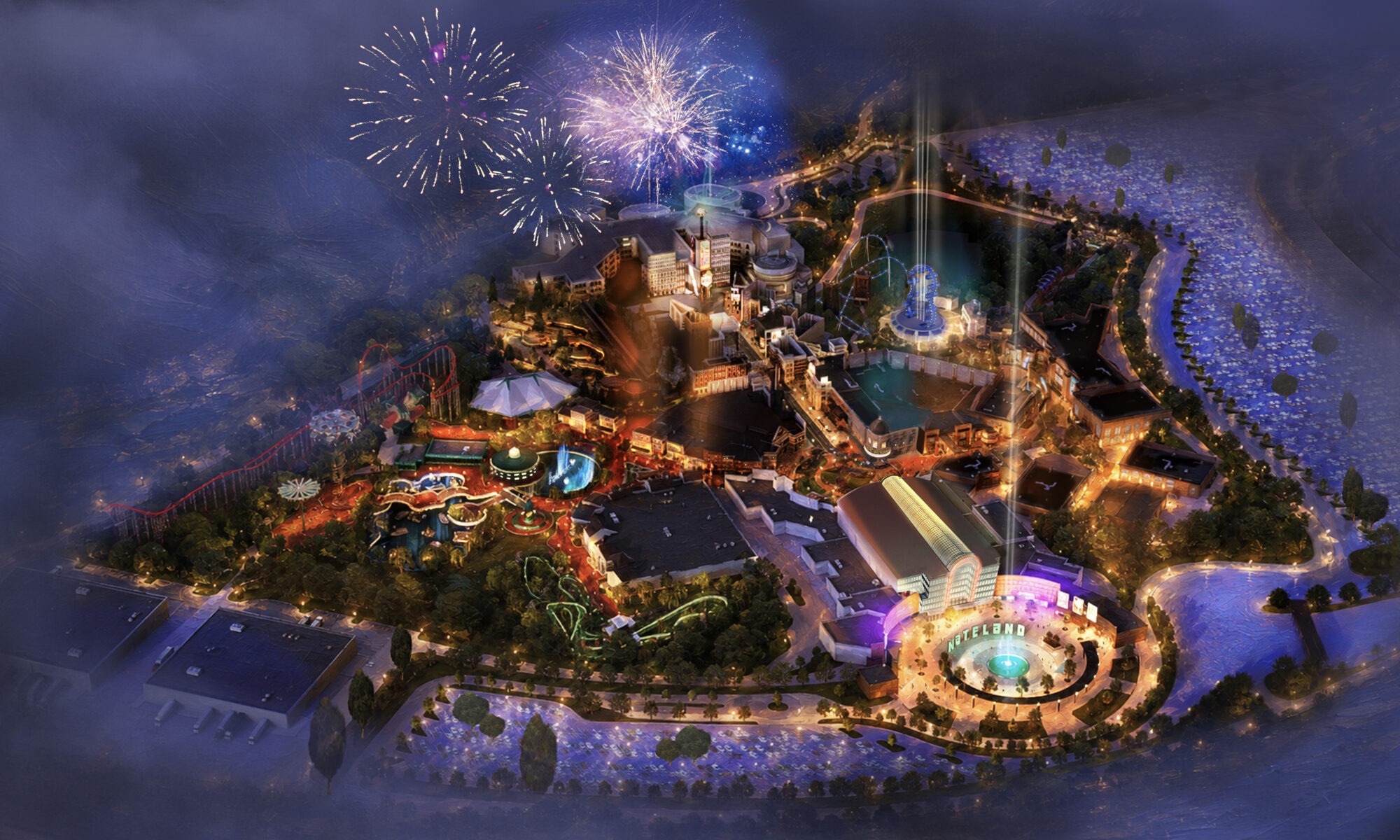
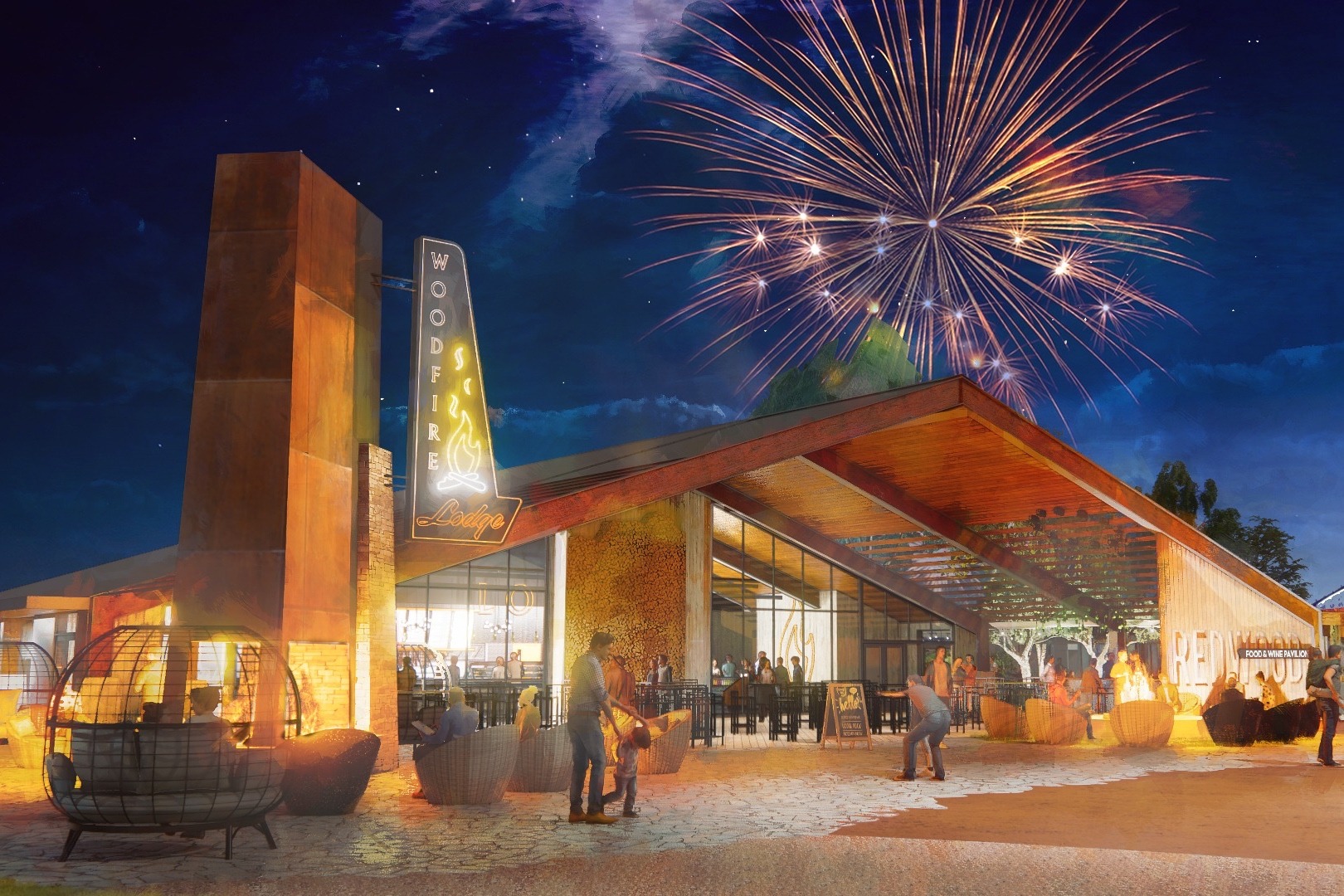
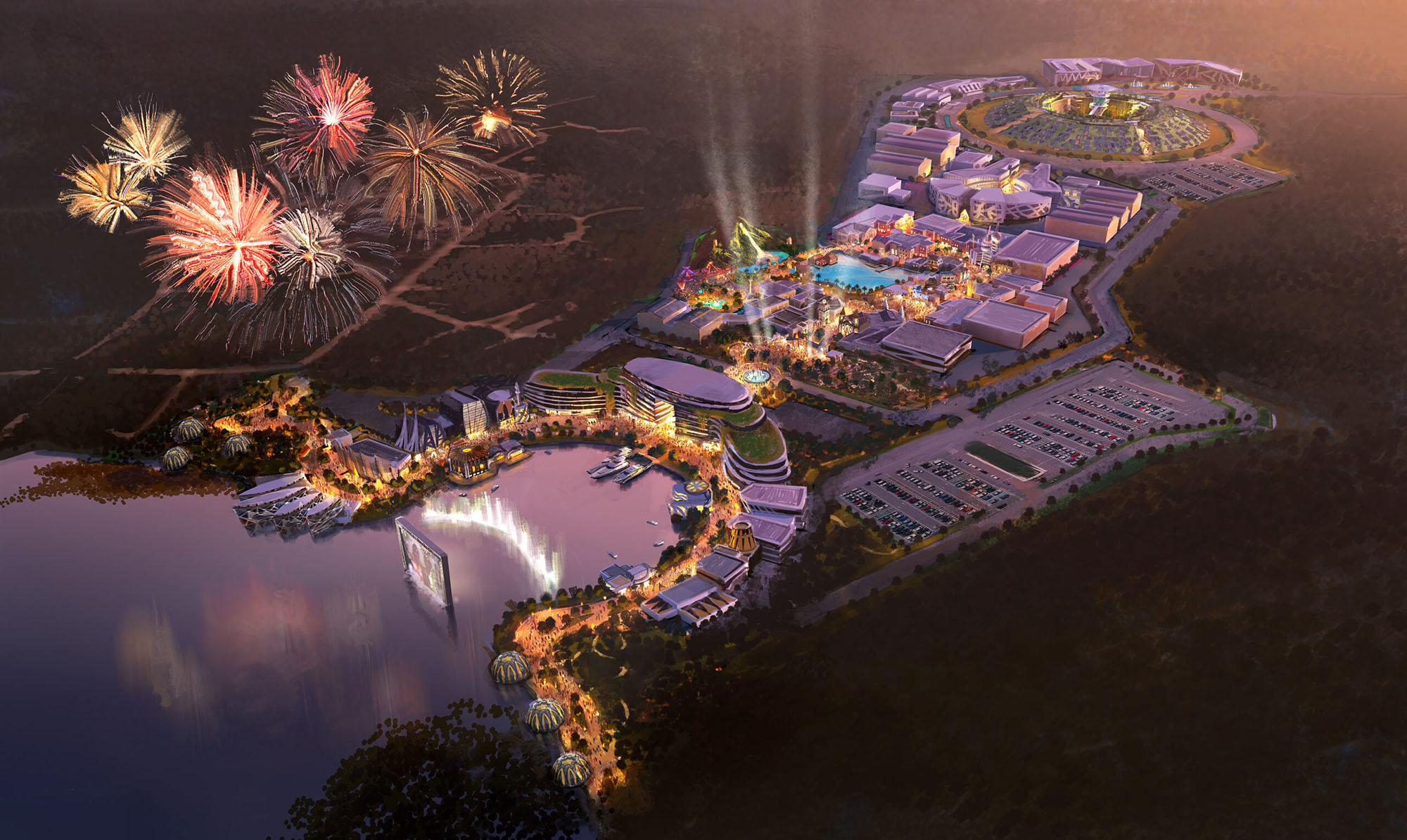
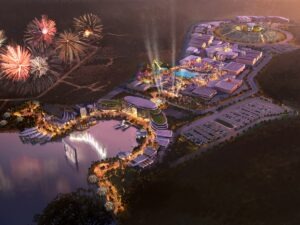
Storyland Studios and Nateland Experiences share an update on the development of Nateland, the family-friendly theme park in development for the greater Nashville area.
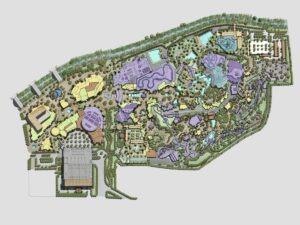
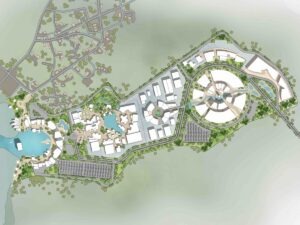
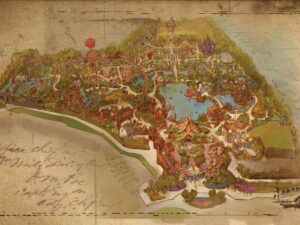
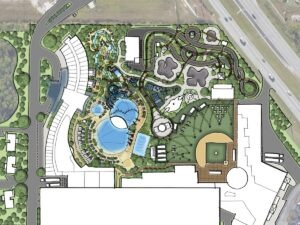
First officially announced at the IAAPA Expo in Orlando in November 2025, Nateland is being designed as a multi-area destination with an estimated project cost of $350 million. The current design includes a 1990s-themed entry experience, performance venues, and space for rides and attractions.
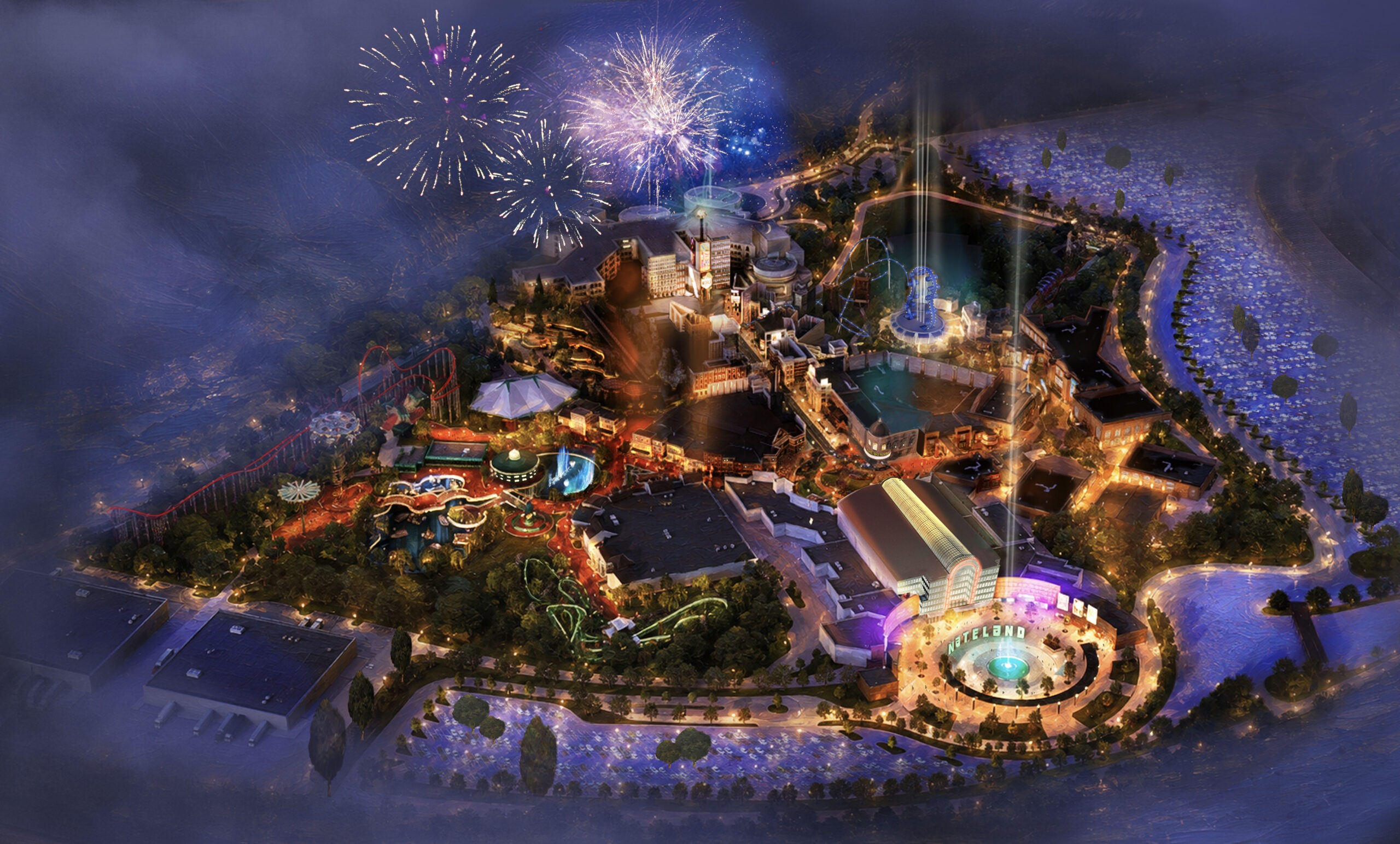
Nateland Concept Render by Storyland Studios
“Our goal is to create a truly premium themed entertainment experience right in Music City that reflects the unique humor and heart of Nateland, while also delivering a world-class destination for families.”
Since the project’s announcement, Storyland Studios has led the concept development for Nateland in collaboration with Nateland Experiences, building on a feasibility study completed by a separate firm. This work continues to inform early design direction, master planning, and the spatial storytelling framework guiding the next phase. A site has been identified within the Nashville metro area, though the precise location will be shared at a later time.
Spanning more than 100 acres in the Music City area, the park is a deeply personal undertaking for Bargatze, a Nashville native. As a teenager, he worked at Opryland USA, the Nashville theme park that operated along the Cumberland River from 1972 until its closing in 1997. Bargatze has long hoped to see a theme park return to Middle Tennessee. Nateland is the realization of that dream, rooted in the same hometown spirit.
Nateland is a new development and is not affiliated with the Opryland property.
About Nateland Entertainment
Nateland is an evolving entertainment platform consisting of Touring, Digital, TV/Film and Experiences. Our company is a home for comedy, stories, and the people who tell them. It’s a collective of stand-up specials, touring comics, original TV and gameshows, theatrical films, and a growing presence on YouTube and beyond. From live experiences to digital content, Nateland brings together a community built on curiosity, humor, and connection.
About Storyland Studios
Storyland Studios is a global destination and experience design firm dedicated to creating places that inspire, educate, and entertain. By putting story at the center of every project—from theme parks and cultural landmarks to educational institutions and conservation centers—the company transforms visions into compelling realities. Their multidisciplinary team specializes in architecture, experiential design, interactive media, and strategy, ensuring every project delivers a powerful and unforgettable narrative journey.
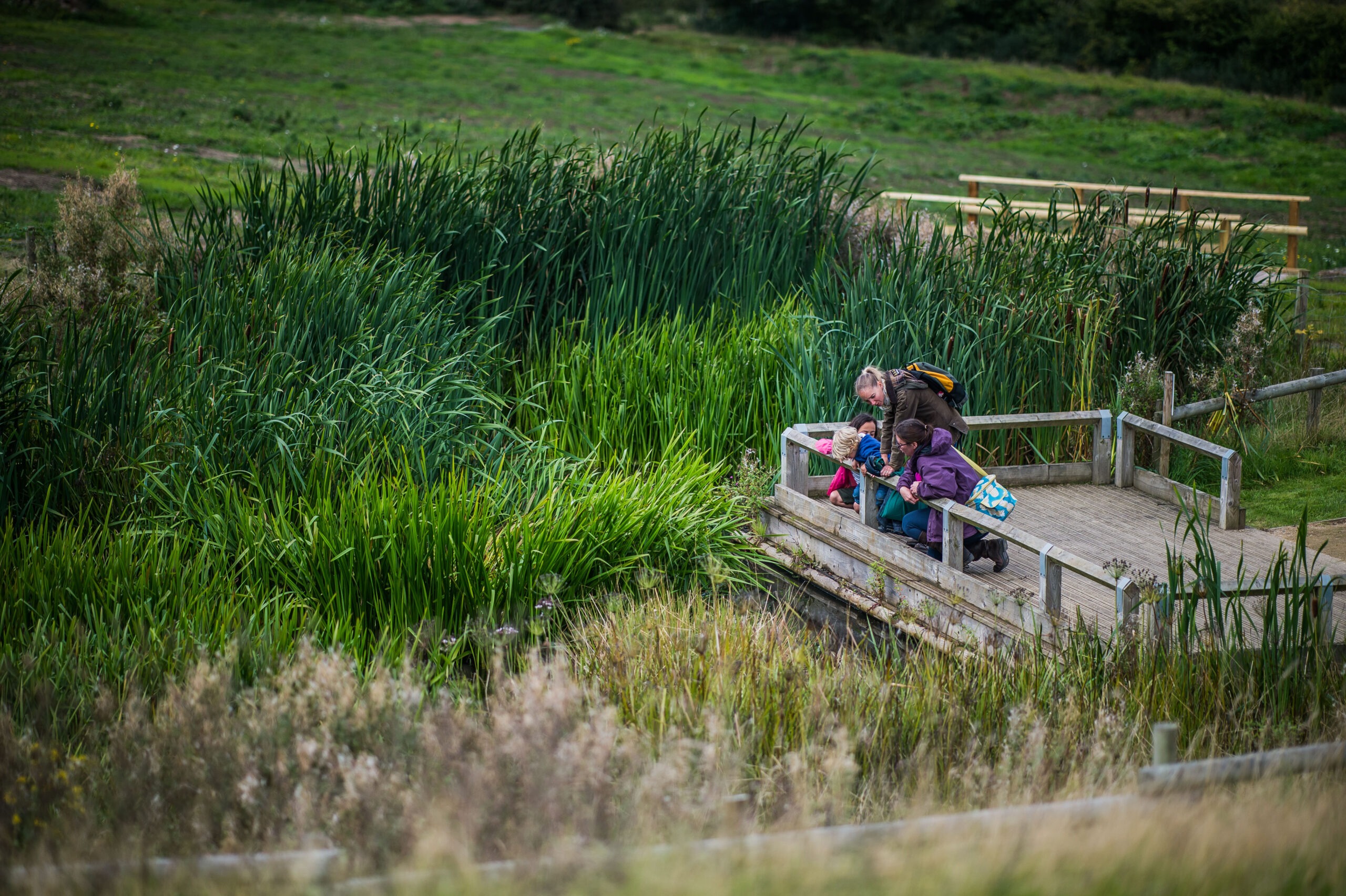
While many conservation professionals are highly trained in technical specialisms such as species protection and habitat management, softer skills relating to climate literacy and sustainability education are increasingly critical.
Understanding and communicating climate science and biodiversity conservation with confidence has become essential, not just for scientists, but for anyone working to inspire action and drive change.
We have a really big mixture of people who really understand conservation and climate change and sustainability, but also we need to bring that together with people who are really good storytellers, people who are really good with digital technology.
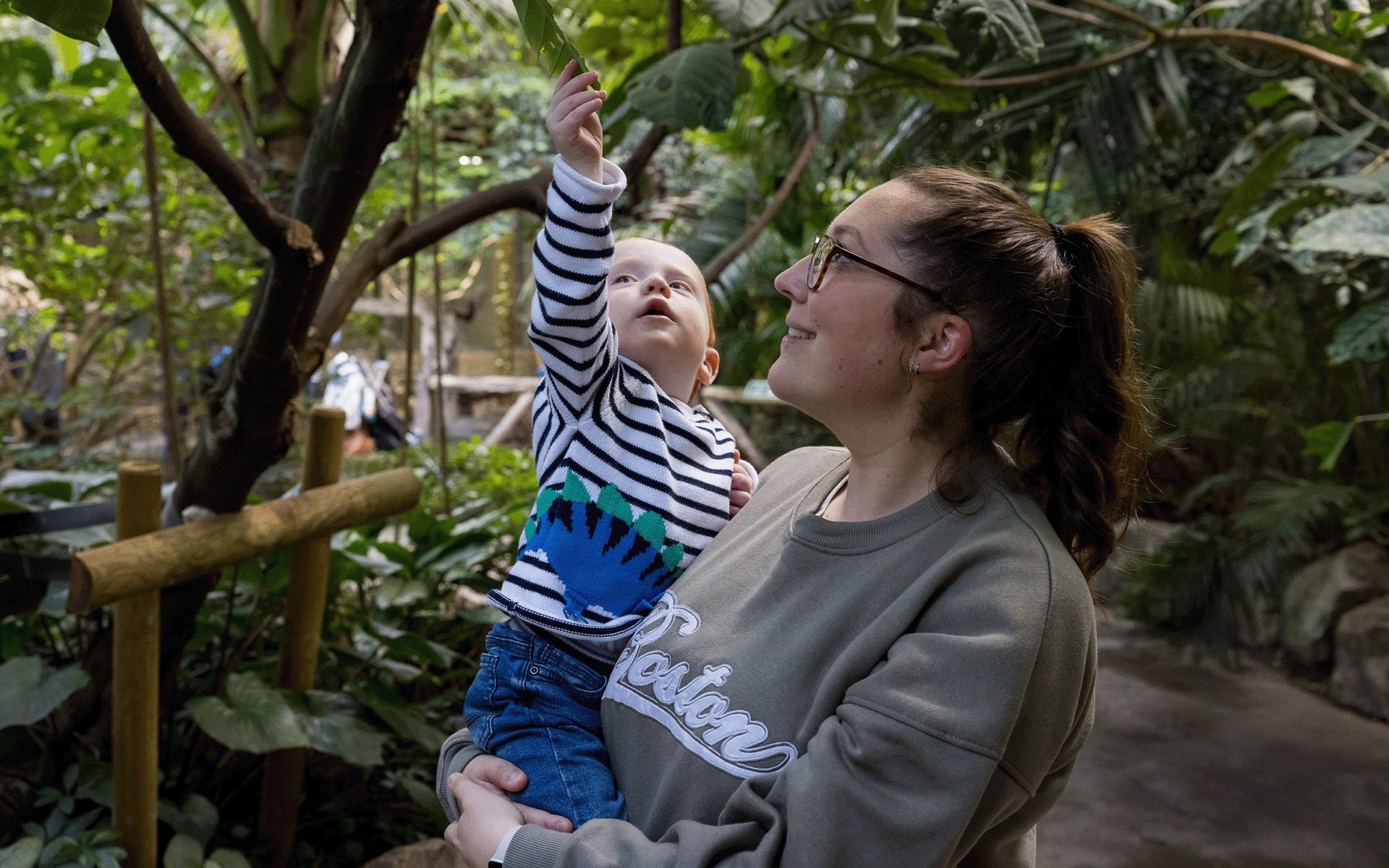
Photo Courtesy of Chester Zoo
Live Lessons: Bringing Conservation to Life
A powerful example of these evolving skills can be seen in our live lessons programme.
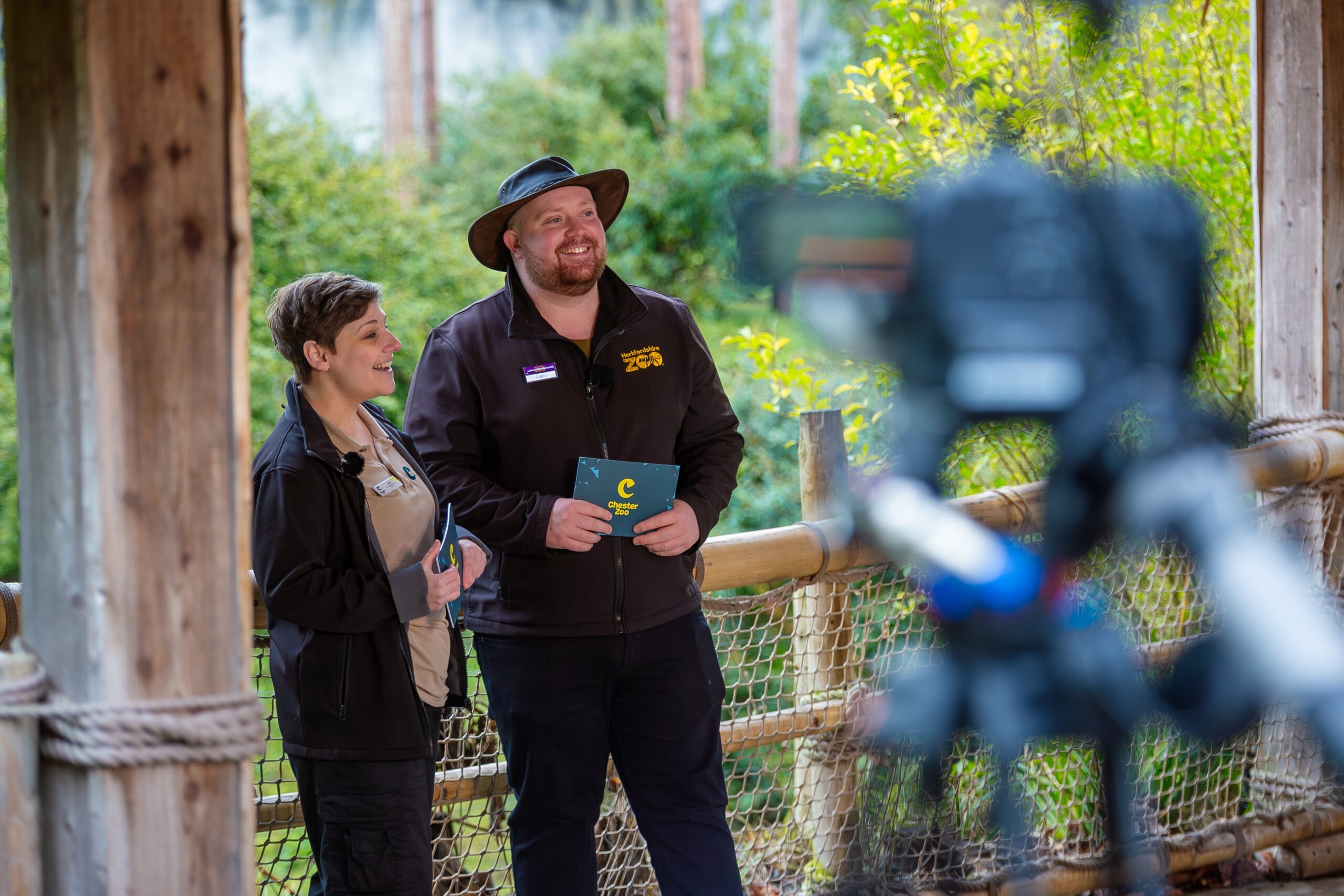
Filmed both in-studio and across the zoo’s habitats, live lessons provide interactive learning opportunities that bring species and ecosystems to life. Students can ask questions in real time, engage with expert presentations, and participate in reflective activities that reinforce understanding. For those watching later, the recorded sessions, along with accompanying resources, extend the learning experience and provide tools for classroom application.
The impact of this approach is significant. By providing access to expertise and immersive experiences, we expand our reach far beyond our physical location. Schools from across the United Kingdom – from Scotland to the Channel Islands – can engage with conservation education, fostering awareness and action even among those who may never set foot in the zoo.
Creating these live lessons is a collaboration between traditional conservation roles, and the skills of storytellers, presenters and production. Education becomes a bridge between the public and the urgent issues of climate change, species loss, and habitat degradation.
Live lessons have been quite a new initiative for us, motivated by our desire to reach audiences that are unable to come and see us here in Chester. Combined with our suite of educational resources, each live lesson is designed to be grounded in meaningful, real-world work, with learning that can be applied in the classroom.
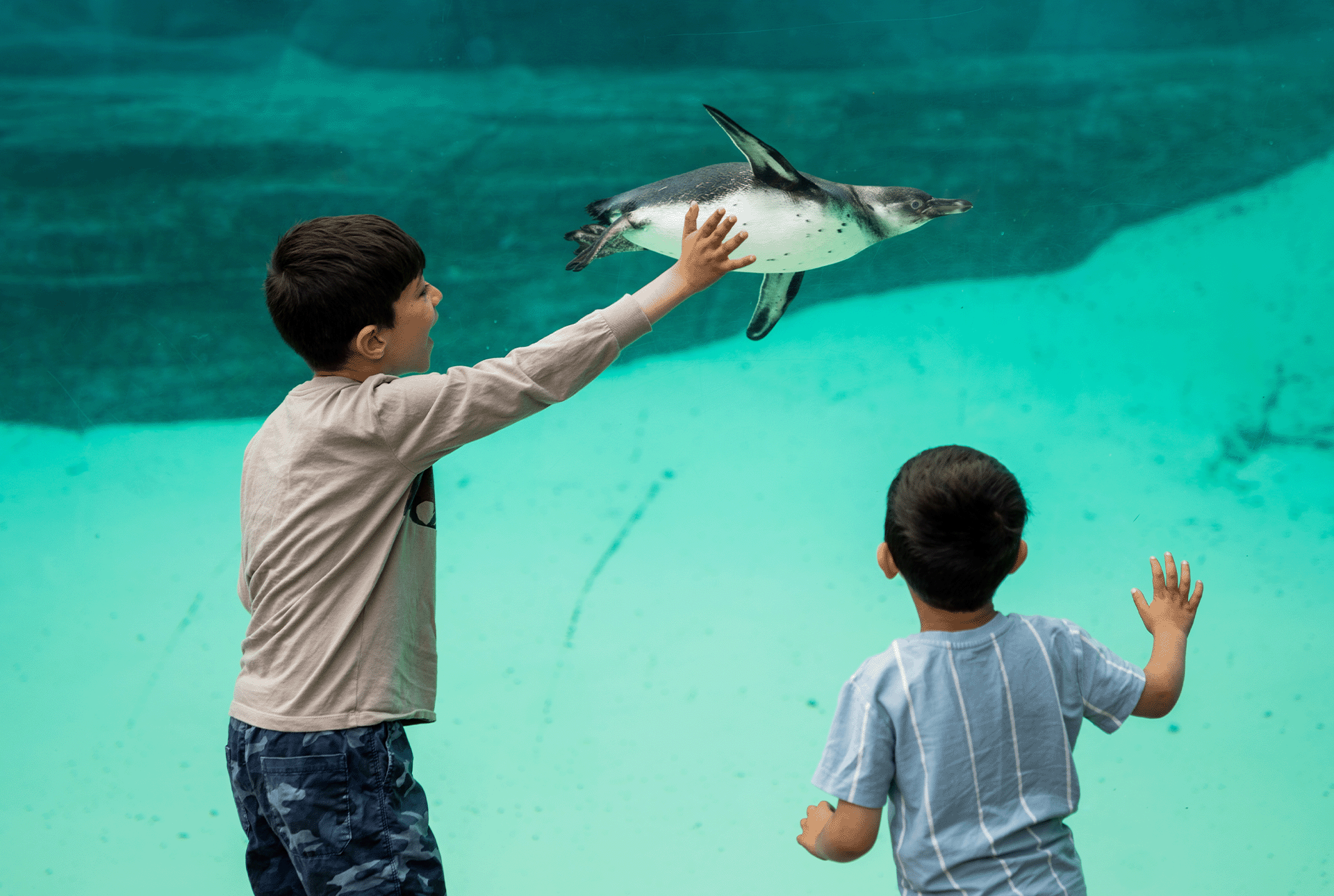
Photo Courtesy of Chester Zoo
Supporting Learning Pathways in Higher Education
Our commitment to education also extends into higher learning and research. In partnership with the University of Chester, we co-developed a postgraduate certificate in Conservation and Sustainability Education. This programme equips conservation and education professionals with the skills to design and deliver effective learning experiences, grounded in behavioural science, conservation psychology, and innovative teaching methods.
Research is another vital part of our approach. Through our scholars’ programme, PhD students address real-world conservation challenges while benefiting from rigorous academic supervision.
By training educators who can inspire and empower others, we amplify the impact of conservation education far beyond our own walls.
Photo Courtesy of Chester Zoo
Awareness, Engagement, and Empowerment
One recently completed scholars’ project focused on how to empower people to live more sustainably, using conservation psychology and behaviour‑change theory to understand the real impact of the zoo’s work.
This research involved a full meta‑analysis of existing studies on how zoo visits influence visitors’ knowledge, attitudes, and willingness to act.
The findings showed clear evidence that time spent in a zoo can increase understanding of conservation issues and leave people better equipped to make positive environmental choices.
Zoo experiences don’t just inspire curiosity — they can spark meaningful, lasting changes in how people care for the natural world.
This approach reflects a fundamental truth: conservation is not only about protecting species and habitats but also about engaging people. By transforming understanding into behaviour, education becomes the cornerstone of a more sustainable – and hopeful – future.
Chester Zoo is a world-leading conservation and education charity committed to preventing extinction. The UK’s most popular zoo, it welcomes more than 2.1 million visitors every year to its 130-acre site in Chester – home to around 30,000 animals. As a not-for-profit, everything is reinvested into its conservation mission: working with more than 3,000 species globally, partnering with 60+ organisations across 20+ countries to save species, restore habitats, and inspire millions of people to care about the natural world.
Storyland Studios
Storyland Studios is a full-service experience design firm with offices in the US and Europe.
Our Approach to Interactive Storytelling
We help organisations like Chester Zoo bring education to life through digital and interactive storytelling. As the education landscape develops, the skills and forms of access required to engage learners continue to evolve. Our approach embraces a range of tools – from projection mapping and simulations, to learning apps, live lessons, and interactive screens. These interactive storytelling layers enrich existing physical narratives, creating experiences that are easy to replicate, simple to update, and adaptable to the needs of any audience.
One of the most important aspects of sustainability is the impact we create. This is why at Storyland Studios; we do not talk about a sustainability strategy – we talk about a lasting impact strategy.
Real change does not happen in isolation, it is built through individual actions that add up and ripple outward, reaching beyond a single company, a single sector, or a single location.
With that audience we get an incredible platform for influence, and transformation.
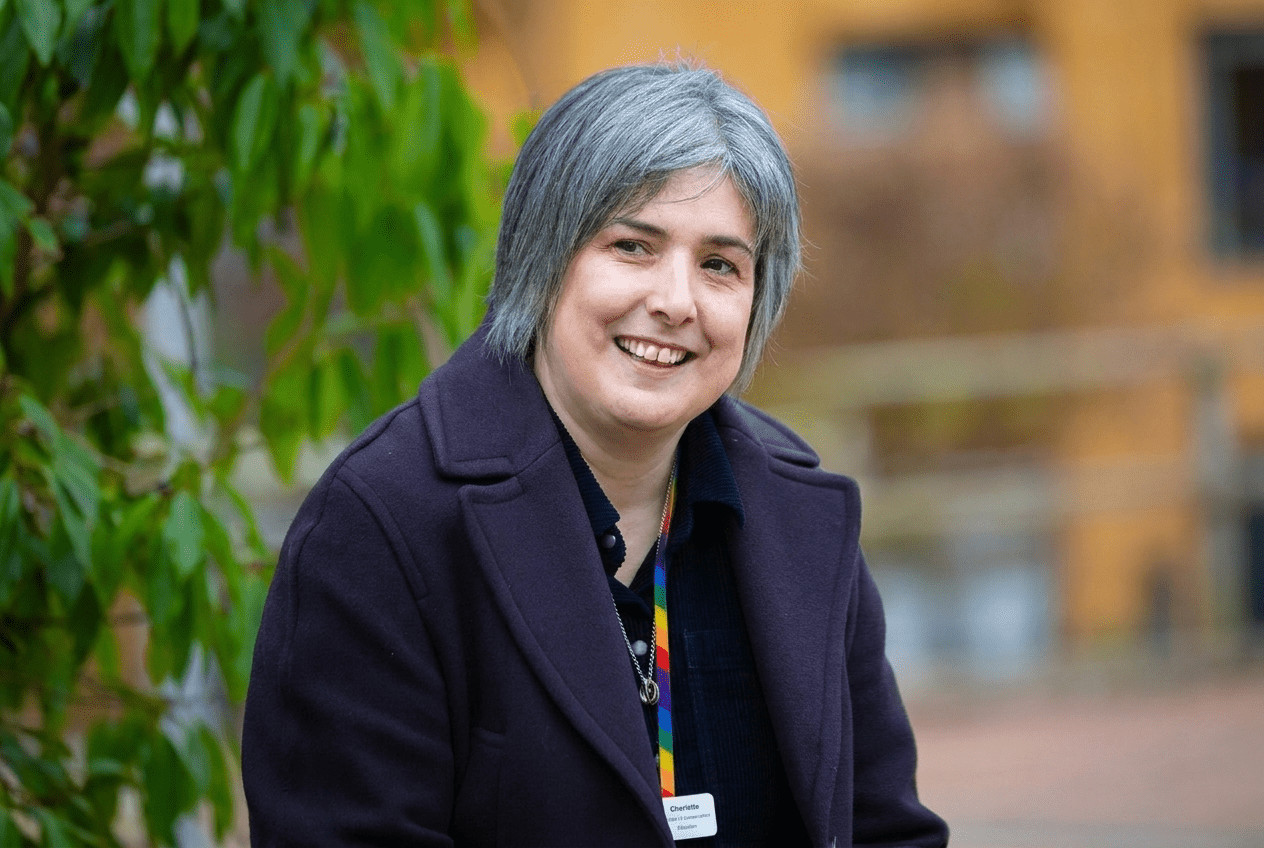
A fantastic example of being an influence for good is Chester Zoo. In this second installment of our interview with Charlotte Smith, Director of Conservation Education, they explained how they put their mission – to prevent extinction – at the centre of every experience, partnership, and decision.
Photo Courtesy of Chester Zoo
Lasting Impact Interview with Chester Zoo
Our work extends far beyond the boundaries of the zoo. It collaborates with partners across the globe and delivers pioneering conservation breeding and species recovery initiatives that contribute to a global, collective effort to protect wildlife.
That’s really what we want to get across when we’re creating experiences for our guests – the diversity of people that are involved in conservation, and how they work together, and how our visitors are also part of that.
Photo Courtesy of Chester Zoo
Through our International Centre for Zoo Science and our global partnerships, we support conservation breeding, research, and field programmes across multiple continents. We contribute expertise and long-term collaboration in Africa, Southeast Asia, and Latin America, working alongside more than 60 partner organisations.
Closer to home, our Networks for Nature initiative has enabled us to build a landscape locally, one that brings companies and individuals and community groups together for a common purpose – creating a thriving future for wildlife and people.
Networks for Nature is very much about building a landscape locally in quite deep collaboration with partners that is fit for purpose for people and wildlife. This will enable wildlife to move more freely and so become a lot more resilient…And the buzz you get when they are all together – it’s exciting! And it makes you realize why this work really matters.
Photo Courtesy of Chester Zoo
We are proud to demonstrate how impact can extend beyond organisational boundaries — through collaboration, thoughtful design, and a commitment to transformation at scale.
Chester Zoo is a world-leading conservation and education charity committed to preventing extinction. The UK’s most popular zoo, it welcomes more than 2.1 million visitors every year to its 130-acre site in Chester – home to around 30,000 animals. As a not-for-profit, everything is reinvested into its conservation mission: working with more than 3,000 species globally, partnering with 60+ organisations across 20+ countries to save species, restore habitats, and inspire millions of people to care about the natural world.
Storyland Studios
Storyland Studios is a full-service experience design firm with offices in the US and Europe.
To help organisations like Chester Zoo to align organisational goals and maximise impact, we create experiences that reveal the organisation’s wider purpose. By defining a compelling story and grounding it in real‑world narratives, we show visitors how an organisation’s mission can be far reaching, and that individual actions matter. We then connect these stories and experiences to clear, meaningful calls to action that visitors can continue to engage with after their visit. This builds momentum, encourages active participation, and supports the organisation in achieving its mission with the greatest possible impact.
In this, the first of our Lasting Impact interview videos with Charlotte Smith – Director of Conservation Education at Chester Zoo – we explore the importance of stories and engaging visitors in Chester Zoo’s mission: to prevent extinction and create meaningful connections between people and nature.
Charlotte explains:
Stories are powerful tools. Preventing extinction isn’t just about science – it’s about connection. And connection begins with a story.
Stories create emotional bonds, spark curiosity, and drive behaviour change. That’s why we include storytelling as a cornerstone of our education and engagement strategy. By weaving authentic narratives into physical spaces, virtual experiences, and even mental frameworks, we are moving beyond traditional exhibits to create immersive journeys that resonate deeply with our audiences.
We take frameworks from psychology to understand what drives human behaviour and build this into our work so that we’re really driving change. But we also take some of the best things from visitor attractions, and theatre, and even theme parks to see how we can replicate effective storytelling techniques from popular attractions, and repurpose them to serve our mission.
Photo courtesy of Chester Zoo
Authenticity Matters
Authenticity is at the heart of our engagement strategy. One of our most meaningful examples is Heart of Africa, a space designed to tell the stories of endangered species, and the people working tirelessly to protect them.
To ensure cultural accuracy and integrity, we collaborated closely with field partners in Africa. Murals were created by a Ugandan artist, and live Zoom conversations enabled our visitors to hear directly from conservationists on the ground. Instead of reading information on a panel, guests encounter conservation in the voices of those who live it every day.
We see storytelling not just as a way to engage visitors, we also see it as a way to provide partners with a platform for telling their own stories. By bringing multiple perspectives into our spaces, we can develop richer, more authentic environments that help visitors connect on a deeper emotional level.
Photo courtesy of Chester Zoo
Engagement That Drives Change
Chester Zoo’s education work has evolved significantly over the past decade. Today, we draw on psychology, behaviour-change frameworks, and even techniques from theme parks and theatre to create experiences that captivate and inspire.
By integrating technology and innovation, we aim to ensure that every interaction – whether on-site or online – feels personal, immersive, and impactful.
This has resulted in higher engagement, deeper emotional connection, and a greater likelihood of visitors taking action to protect wildlife.
There are things that we can all do to make things better and showing that those things do make a difference. Hope isn’t lost. We do know how to solve the climate and biodiversity crisis. We just need to take those actions. And it’s not always about taking those really huge actions. It’s about taking the first steps and moving along that path, and that can hopefully engender hope in others.
When people feel part of nature’s story, they care enough to protect it.
Every story told, every experience designed, is part of this bigger picture – a world where people and wildlife thrive together.
Chester Zoo is a world-leading conservation and education charity committed to preventing extinction. The UK’s most popular zoo, it welcomes more than 2.1 million visitors every year to its 130-acre site in Chester – home to around 30,000 animals. As a not-for-profit, everything is reinvested into its conservation mission: working with more than 3,000 species globally, partnering with 60+ organisations across 20+ countries to save species, restore habitats, and inspire millions of people to care about the natural world.
Storyland Studios
Storyland Studios is a full-service experience design firm with offices in the US and Europe.
To help organisations design experiences that truly resonate, Storyland Studios offers a proprietary BlueSky service, which includes our StoryCircle workshop. These collaborative sessions guide teams through the process of identifying the core narratives that matter most to your organisation, uncovering the character, plot and setting of your story to identify emotional connections that drive engagement.
By taking participants through a structured three-dimensional storytelling framework, the StoryCircle ensures that every element, from signage and exhibits to master planning and immersive show sets, works together to create a cohesive, meaningful journey that inspires action and deepens understanding.
Every city, organization, or community has a story, one ripe for imagining what could be next. The story’s already there, it’s woven in history, people, and culture. The question isn’t whether a story exists. It’s whether anyone has listened for it.
At Storyland Studios, that’s where we start. Not with blueprints, not with renderings, not with a list of amenities a site should have. We start by listening. We explore what a place or organization means to the people who live or work there. What do they want it to become? What are they aspiring to achieve? What are the stories that are just waiting to be told? That process of co-creation is at the heart of how we imagine alongside our clients. It’s also what separates a destination that truly resonates with its context from one that simply exists.
The Gap Between Vision and Expression
When we begin co-creating a new destination, our clients often have a vision, but they haven’t always defined the vocabulary to express it. They know something special is possible; they can feel it. But translating that feeling into a unified plan, one that connects with residents, attracts visitors, and speaks a cohesive message across every touchpoint; that’s where things can become difficult for our clients.
“Sometimes there’s a lack of an expressed story that connects people to raw amenities,” says Blake Ryan, Partner at Storyland Studios. “We help people see something in a resource that others aren’t catching. We bring a visual vocabulary to that so it can be expressed.”
At Storyland, we help our partners move from a spark of desire, a sense that something more is possible, into a fully realized vision with the narrative backbone to support it. We achieve this through our BlueSky process – live sketching and collaborative workshops which give shape to ideas that hadn’t been articulated before.
Story as Strategy
Story is the foundation we discover with our clients, the organizing principle that informs every decision, from site planning and architecture to brand development and digital presence. A strong story acts as a filter: every design choice, every material, every guest experience gets measured against it. We ask, does this serve the story? Does it deepen the connection between this place and the people who will experience it?
We’ve seen this firsthand working with the City of Lake Elsinore on Launch Pointe. By taking time to listen to the City’s history, understand its aspirations, and learn about its desire to be known as the action sports capital of the world, we were able to co-create a brand, a physical environment, and a digital presence that all spoke with one voice. We didn’t arrive with the vision for Launch Pointe, they already knew they wanted a renewed site. What we helped them do was uncover the story that would bring their vision to life in a way that was tangible, relatable, and accessible.
The result didn’t just serve visitors. It shifted how residents thought about their own community; it changed the conversation. It earned trust, both from the people who live there and from City leadership. The City had a great destination, a fantastic brand, and a digital presence that spoke their authentic story. Suddenly there was momentum, evidence that placemaking works. The community started to believe in what the future holds for Lake Elsinore.
“We’re actually helping build the need,” Blake explains. “They don’t know what could be until it’s built, then they can’t imagine living without it.”
One Story, Every Platform
One of the most common pitfalls in destination development is fragmentation. The architecture says one thing, the brand says another. The website feels disconnected from the on-site experience. Fragmentation results in a place with multiple personalities, with none of them sticking.
Because Storyland Studios operates across disciplines, from architecture and landscape architecture to brand strategy, digital experiences, and interactive media, we’re able to carry a single story through every platform and every touchpoint. We think of it as layers of storytelling: the spatial story told by the built environment, the strategic story told through brand, and the interactive story told through digital and immersive experiences. When all three align, you get something powerful. A destination that is intentional, cohesive, and alive.
This isn’t just a creative preference. It’s a real, practical advantage for our partners. Instead of coordinating between a branding agency, an architecture firm, a web developer, and a landscape architect, each interpreting the vision differently, our clients get a single team stewarding the story from dream to dedication.
A Partner for What’s Next
Every community and organization has potential waiting to be tapped. Maybe it’s a waterfront that’s ready for its next chapter. Maybe it’s a downtown district on the verge of reinvention. Whatever it looks like, the starting point is the same: a willingness to explore what story could be told.
Our role isn’t to arrive with a prepackaged solution. It’s to come alongside our partners, listen deeply, and help them articulate a vision that’s authentic to who they are and where they’re headed. From there, we bring our creative firepower to make it real. And because our BlueSky work is designed to be accessible, communities and organizations can explore what’s possible before committing to the full scope of development. It’s a cost-effective way to test a vision and build confidence before ground is ever broken.
“It really starts with vision, and then it comes to life as story. Those are two things we come alongside our clients in and develop well,” Blake says.
The best destinations in the world didn’t happen by accident. They started with a unique idea for a place that others hadn’t imagined yet, brought to life through perseverance, creativity, and passion. That’s the work we love, and that’s the adventure we’re ready to take on with you.
Blake Ryan is a Principal at Storyland Studios. Over nearly two decades of service, Blake has helped to shape a standout culture at Storyland, while working alongside notable clients such as The Walt Disney Company, Universal Studios, Salesforce, SoFi Stadium, and World Vision. As an entrepreneurial leader, he champions vision, culture, creative innovation, and collaboration.
When guests move through a theme park that feels truly seamless, flowing naturally from land to land, discovering new worlds around every corner, they rarely stop to wonder why it feels so right.
That feeling is not an accident. It is the result of a master plan, often developed years before a single attraction opened.
Kevin Blakeney has spent 15 years shaping immersive destinations across the globe as a landscape architect and master planner. He knows that the magic guests experience on the ground begins long before any designer draws a single detail.
“Master planning is really the strategic blueprint of how a theme park or destination is going to evolve over time,” he explains. “It establishes the physical layout, the circulation systems, land use distribution, infrastructure planning, and the long-term development framework of a park.”
It is, in other words, where everything begins.
Starting with Feasibility
Before a single creative decision is made, a master plan has to answer a more fundamental question: can this actually work?
The feasibility stage is where planners evaluate site constraints, environmental conditions, infrastructure access, transportation connections, and the economic model that will support development over time. In themed entertainment, that also means modeling attendance projections and crowd capacity, understanding how guests will be distributed across the park throughout the day, and studying nearby resorts, airports, and transportation networks to determine whether a new destination can function as a regional draw or a global one.
“Getting guests to your front door can make or break a project,” Kevin says. “A theme park is only successful if people can, and choose to, get there. That means looking beyond the park itself to understand how guests begin their journey and where that experience can be improved. For example, Shanghai Disneyland was developed with direct connections to the Shanghai Metro, while the Marne‑la‑Vallée–Chessy station was purpose‑built as part of the Disneyland Paris development, based on the recognition that seamless, direct transport from Paris would be critical to the resort’s success. These types of decisions are monumental in making sure a new park succeeds.”
Feasibility is not the most glamorous part of the process. But without it, even the most visionary creative concept has nowhere to stand.
Planning the Story Before the Attractions
Once feasibility is established, master planning moves into story. At Storyland Studios, storytelling is treated as a core element of master planning—not something layered in later by designers, but a fundamental force that shapes the land itself from the very beginning.
Kevin takes this seriously at the planning stage. Long before individual attractions are designed, planners are already making decisions that shape the narrative journey of the entire park. The story influences where landmarks sit; how the skyline is anchored; how lands transition from one theme to the next. Story is used to lead guests in the discovery of new spaces as they move through the park.
By embedding the story into the design of the land, we create a sense of curiosity. Galaxy’s Edge at Disneyland is one of Kevin’s go-to examples for how story creates curiosity. Guests do not arrive through a gateway or a typical theme park portal. They come through natural rock formations, and the pathways slowly reveal the spaceport of Black Spire Outpost. The physical layout of the land was designed to feel like a real settlement within the Star Wars universe.
“All of those decisions happen at the master planning stage,” Kevin says. “The master plan creates the narrative framework that later designers build upon. Every attraction that comes after fits into a structure that was already there.”
Walt Disney’s often quoted philosophy is that “Disneyland will never be completed; it will continue to grow as long as there is imagination left in the world!” This is not just a romantic idea. It is a design requirement, one that demands a master plan strong enough to support decades of expansion without ever losing the thread of the original vision.
The Three Keys to a Cohesive Park
When Kevin thinks about what makes a theme park feel truly unified rather than like a collection of unrelated attractions, he comes back to three things consistently: circulation, visual continuity, and narrative transitions.
Circulation is the foundation. Pathways should guide guests naturally, without confusion and without creating bottlenecks. When circulation is well planned, guests discover new lands without ever feeling lost. When it is not, the experience breaks down quickly, regardless of how good the individual attractions are.
Visual continuity is often subtle, but it plays a critical role in shaping the guest experience. Lines of sight are carefully considered, with significant creative effort devoted to determining what should be hidden, framed, or revealed—allowing the environment to unfold in a deliberate and engaging way.
At Walt Disney Imagineering, for example, sightline testing became a foundational part of the design process through the use of weather balloons. Imagineers would fly helium balloons—often early in the morning or late at night—to represent the proposed height of new buildings, trees, or attractions. By observing what was visible from within the park, designers could adjust plans to ensure that backstage elements remained out of sight and the immersive experience was preserved. These tests were even used to confirm that major visual icons within a new land did not unintentionally dominate or disrupt sightlines elsewhere in the park.
This approach reflects the design philosophy of Imagineering pioneer John Hench, who emphasized the importance of removing visual contradictions. By carefully controlling what guests can see—and just as importantly, what they cannot—designers sustain the illusion that each land is a fully realized, cohesive world.
“If you carefully frame what guests see, you maintain the illusion that every land is real,” Kevin says. “Tall structures, show buildings, landscape, they all have to be thoughtfully positioned when you are laying out a new land.”
Narrative transitions bring it all together. Moving between lands should feel intentional. Environmental cues, architecture, vegetation, topography, and audio all play a role in signaling to guests that they are crossing into somewhere new. This is factored into the master planning stage, marking areas of transition and demonstrating how those transitions will happen.
Pandora – The World of Avatar at Disney’s Animal Kingdom offers a fantastic example of deliberate, immersive arrival design. The approach bridge is intentionally designed to limit sightlines, withholding views of the land until the final moment and creating a careful sense of revelation. As guests cross the bridge, the soundscape shifts—ambient nature sounds and subtle otherworldly tones begin layering in, aligned visually with the first glimpses of bioluminescent plant life and the floating Hallelujah Mountains emerging through the mist. Guests are not simply walking into a new area; they are being transported to another world entirely. Within the land itself, forced perspective makes the floating mountains seem far bigger than they really are, and even the waterfalls move more slowly than natural water, reinforcing the illusion of immense distance and scale.
When the Circulation, Visual Continuity, and Narrative Transitions are coordinated through the master planning process, a park feels cohesive.
When they are not, it shows.
Managing Scale and Crowds
For large destination parks, master planning must also manage tens of thousands of people a day, in a way that never lets guests feel the weight of the crowd around them.
Major attractions are positioned strategically to pull guests toward different areas of the park rather than concentrating them in one place. Pathway widths, plaza sizes, and queue configurations are all tools for absorbing peak attendance. Entertainment venues, restaurants, and retail are placed to reduce congestion and keep guests moving comfortably through their day.
At the resort scale, transportation systems become part of the equation.
For example, Walt Disney World’s robust network of trains, boats, and people movers keeps guests flowing between parks, parking, and hotel properties all day long. When those systems are coordinated well, guests experience shorter waits, smoother movement, and a more relaxed day overall, even if they never consciously register the planning behind it.
“One of the biggest lessons is that guest experience is shaped by factors guests should never notice,” Kevin says. “Circulation efficiency, shaded rest areas, intuitive wayfinding. When those elements are well planned, the park feels comfortable no matter how crowded it is.”
Designing for a Future That Does Not Exist Yet
One of the most interesting challenges in master planning is that planners have to make decisions today for attractions that have not been conceived yet.
Expansion areas are always reserved within a park’s master plan, sometimes for whole new lands, sometimes for added capacity or new attractions within existing ones. Infrastructure systems, utilities, transportation routes, and backstage access all have to be designed with future growth in mind, so that construction can happen while the park continues to operate without disruption.
Epic Universe, coming to Universal Orlando, is a recent example of this kind of long-range thinking. Planners have built in room for expansion within each land, and space for entirely new lands to be added when the right IP and the right moment align.
When the foundational structure is strong, new attractions can be added at any point, seamlessly, and from the guest’s perspective they feel like a natural extension of the park rather than an afterthought.
“Theme parks are designed to evolve over time,” Kevin says. “The goal is to lay out that foundation so that growth can happen without ever disrupting the experience of the park as it already exists.”
What Makes It Worth Doing
For Kevin, the appeal of master planning comes down to something simple: the opportunity to shape how people feel.
At the scale of a master plan, the work is not about individual buildings or single attractions. It is about creating entire worlds where guests explore, celebrate, and make memories. The collaboration across disciplines—landscape architecture, engineering, architecture, operations, and creative storytelling—is what drives the process. And seeing those perspectives come together into a destination that feels genuinely cohesive is, in his words, incredibly rewarding.
“Theme parks are often described as organized emotion,” he says. “When a master plan works well, guests feel wonder and discovery simply by moving from space to space. The places that inspire imagination and bring stories to life. That is what makes this such an exciting field.”
At Storyland Studios, the approach starts exactly there: with the large-scale thinking that treats a destination as a complete environment before a single attraction is designed. Circulation, infrastructure, guest capacity, visual corridors, how a park fits into a broader resort or urban context. Once that framework is in place, detailed storytelling follows, layered in through environmental design, architecture, landscape, and material choices that all contribute to the narrative.
The goal is always the same. Not a collection of rides.
Kevin Blakeney is the Director of Master Planning at Storyland Studios, with 15 years of experience designing and constructing theme parks and entertainment venues at all scales, both domestically and internationally. He has worked on a number of THEA award-winning projects, including Star Wars: Galaxy’s Edge and Universal Beijing, and has most recently overseen the landscape architecture and construction of multiple new lands in Universal’s Epic Universe.
Storyland is proud to announce Orange County Rescue Mission as its official charity partner for the year ahead.
OCRM is not a typical rescue mission. Their Tustin campus, the Village of Hope, functions more like a college campus, and intentionally so. The 300 residents who call it home are referred to not as clients or beneficiaries, but as students. They receive counseling, education, job training, shelter, food, clothing, and healthcare. Their philosophy of restoring lives means surrounding people with beauty and hope, not just services. It’s a standard OCRM holds itself to seriously: if it wouldn’t be good enough for anyone else, it isn’t good enough for their students.
That ethos made a lasting impression on the Storyland team.
Blake Ryan, Storyland partner says:
“We have been working with OCRM for about eight years now. It’s a client that really speaks to Storyland as an organization. When you walk into their Village of Hope campus, it genuinely feels different – there’s intention in every detail, and you can feel what OCRM believes about the people they serve. This isn’t just about helping those in need, it’s about transforming lives, and genuinely bringing people who have experienced some of the worst moments of their lives into a space and a program that will give them that long term change, that lasting impact.”
What design is actually for – sits at the heart of Storyland’s work, its mission for transformative storytelling, and its approach to lasting impact.
For Marie Rayner, Director of Project Development and Lasting Impact Lead, the OCRM partnership is a natural continuation of our strategy;
“At Storyland, we don’t talk about “sustainability” in isolation—we talk about Lasting Impact. That means the impact our work has on the planet, on people, and on communities. Our goal is to create designs and experiences that make a meaningful difference and continue to matter ten years from now.
OCRM have been working with the community for decades, and the students and families they serve carry those outcomes forward into their communities for generations. This ripple effect has a sustained lasting impact, and we want to be part of it.”
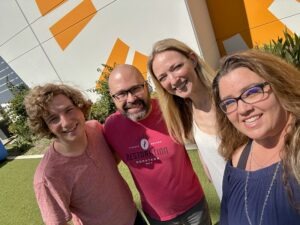
The Storyland team visiting OCRM.
OCRM’s programs are built on that same long-term thinking. The “teach a man to fish” principle isn’t just a motto at the Village of Hope, it’s a philosophy. Residents move through structured programs in job readiness, recovery, and education, graduating into lives with genuine footing underneath them. This takes sustained investment, sustained belief, and sustained community support.
Which is exactly why a partnership like this one matters.
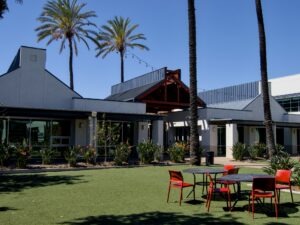
OCRM’s Village of Hope
Bryan Crain, President of Orange County Rescue Mission, understands the difference between transactional support and genuine partnership:
“We are deeply grateful for partners like Storyland, who understand that transforming lives requires an entire community,” Craine says. “Their support does more than fund programs, it sends a powerful message to the people we serve that they are seen, valued, and not forgotten by the world beyond our doors.
At OCRM, we believe the best outcome for a man, woman, or family experiencing homelessness is long-term self-sufficiency. Achieving that kind of lasting change takes time; our programs typically span 18 to 24 months. Through this work, we’ve helped hundreds of individuals transition from living in homeless encampments to securing stable employment and affording their own housing.
We truly believe that when someone enters our Village of Hope, it marks the end of their homelessness. None of this would be possible without the steadfast support and partnership of organizations like Storyland Studios.”
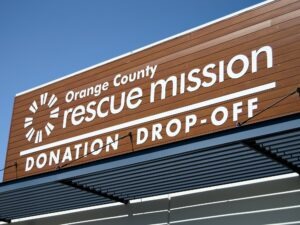
OCRM’s Donation Drop-Off
Through fundraising support, volunteer engagement, and intentional storytelling, Storyland will work alongside OCRM throughout 2026.
To learn more about Orange County Rescue Mission and the work they do across Southern California, visit: rescuemission.org.
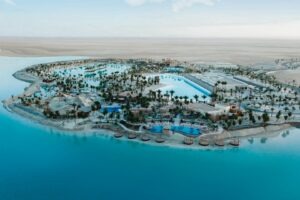
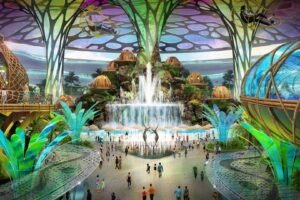
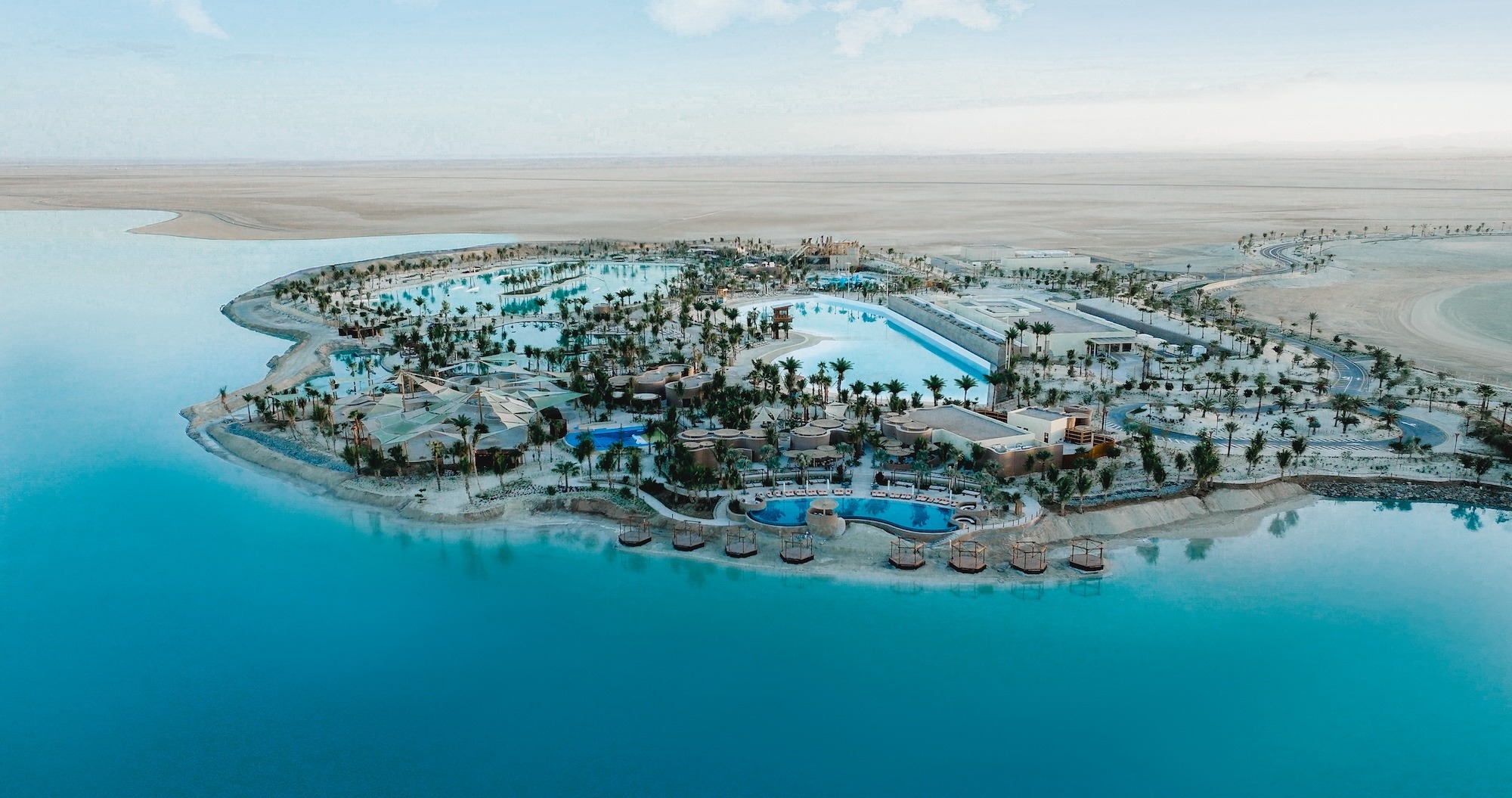
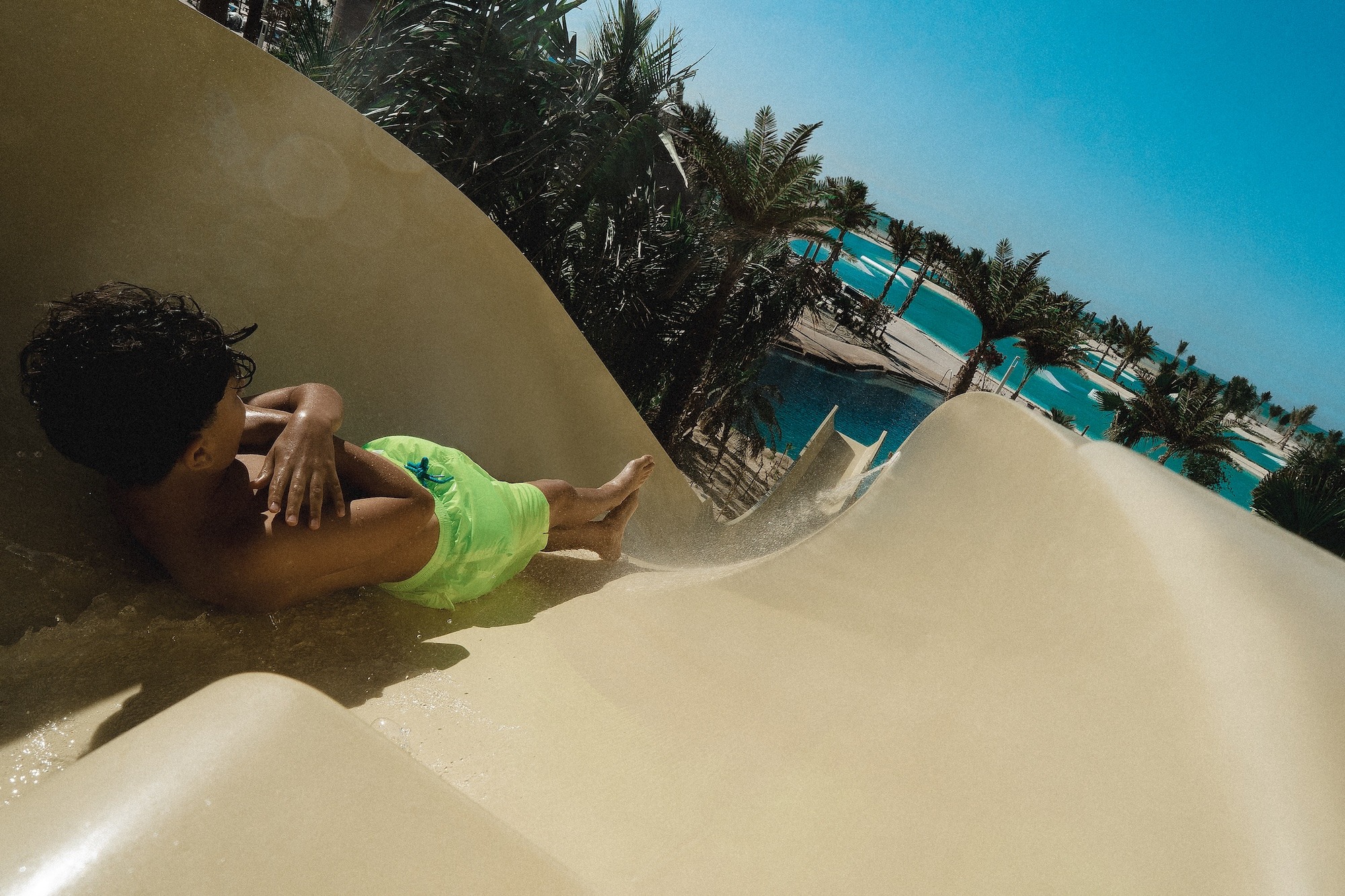
Storyland Studios, a global experience design and strategy firm, was engaged as the landscape architect for Red Sea Global’s Adrena, an integrated destination that offers guests everything from extreme sports to adventurous fun to enrichment activities.
Red Sea Global is renowned for luxurious, captivating resorts set in incredible surroundings, providing a relaxing and indulgent experience. While the resorts are stunning, Red Sea Global aimed to offer more to its guests.
Inspired by the words ‘adrenaline’, ‘arena’, and ‘dream’, ADRENA embodies the spirit of excitement, movement, and imagination.
Storyland Studios was engaged to help turn this bold idea into a fully realised resort experience – crafting everything from the narrative foundation to the technical landscape and the refinement and development of Red Sea’s initial attraction designs.
A holistic approach
ADRENA is situated on a 17-hectare stretch of shallow coastal flats in a beautiful part of the Red Sea; a location that demanded careful planning, technical coordination, and a deep understanding of the surrounding ecosystem.
The goal was ambitious: to create an explorative, story-driven resort that blends seamlessly with the natural environment while enhancing the guest experience.
Red Sea Global appointed Storyland to deliver a comprehensive and integrated scope of work, including master planning, landscape design, water features, pools, hardscape, and all specialist attraction components from concept design through IFC – covering show elements, theming, and props.
Beyond Storyland’s talent for crafting an authentic narrative that resonated with both the project’s ambitions and the landscape’s character, its multi-disciplinary team also possessed the technical skill to complete this project on schedule, within a challenging 16-month timeframe, and to a high standard.
This holistic approach allowed Storyland to shape both the environment and the experiential layer, ensuring that every design decision was rooted in story.
Creating a narrative
Building on the initial concepts, Storyland collaborated with Red Sea Global to craft a compelling narrative: What makes this unique? What attracts guests? And how does it distinguish itself from other global entertainment and adventure destinations?
The idea of ADRENA emerged as a sanctuary – a place shaped by the interplay of sea, earth, and air. It is a protected realm of renewal and reconnection that offers transformation: “At a super-natural meeting of sea, earth, and air, global denizens discover endless re-creation, renewal, and transformation of mind, body and spirit.”
The resort invites guests to enter a safeguarded and enriched ecosystem with three unique realms:
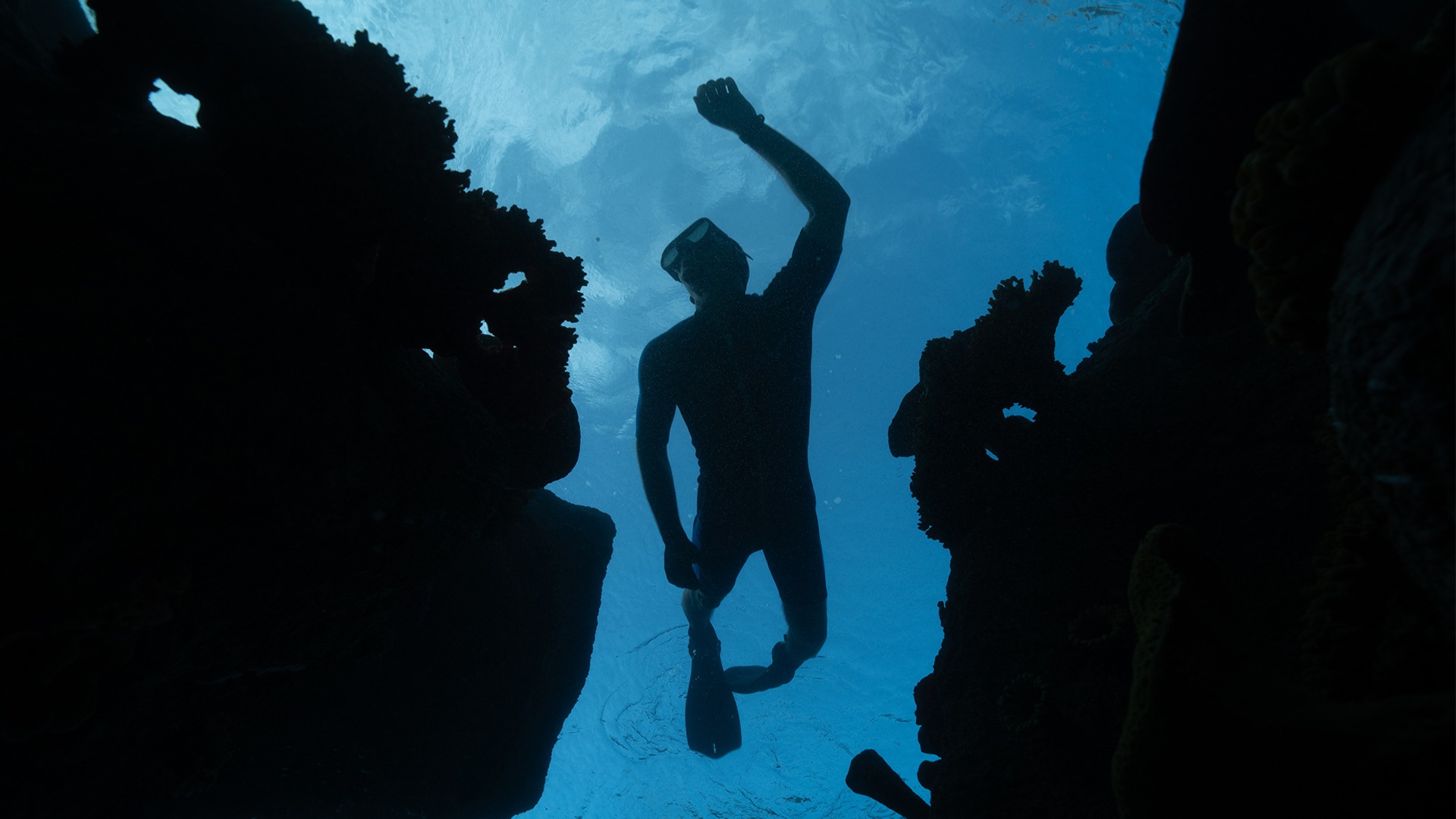
Mind – The Call to Curiosity; the Quest for Discovery: SEAdventure invites children of all ages to discover the secrets below, on, and above the Red Sea while testing their limits and training to become the guardians of Sea, Earth, and Air.
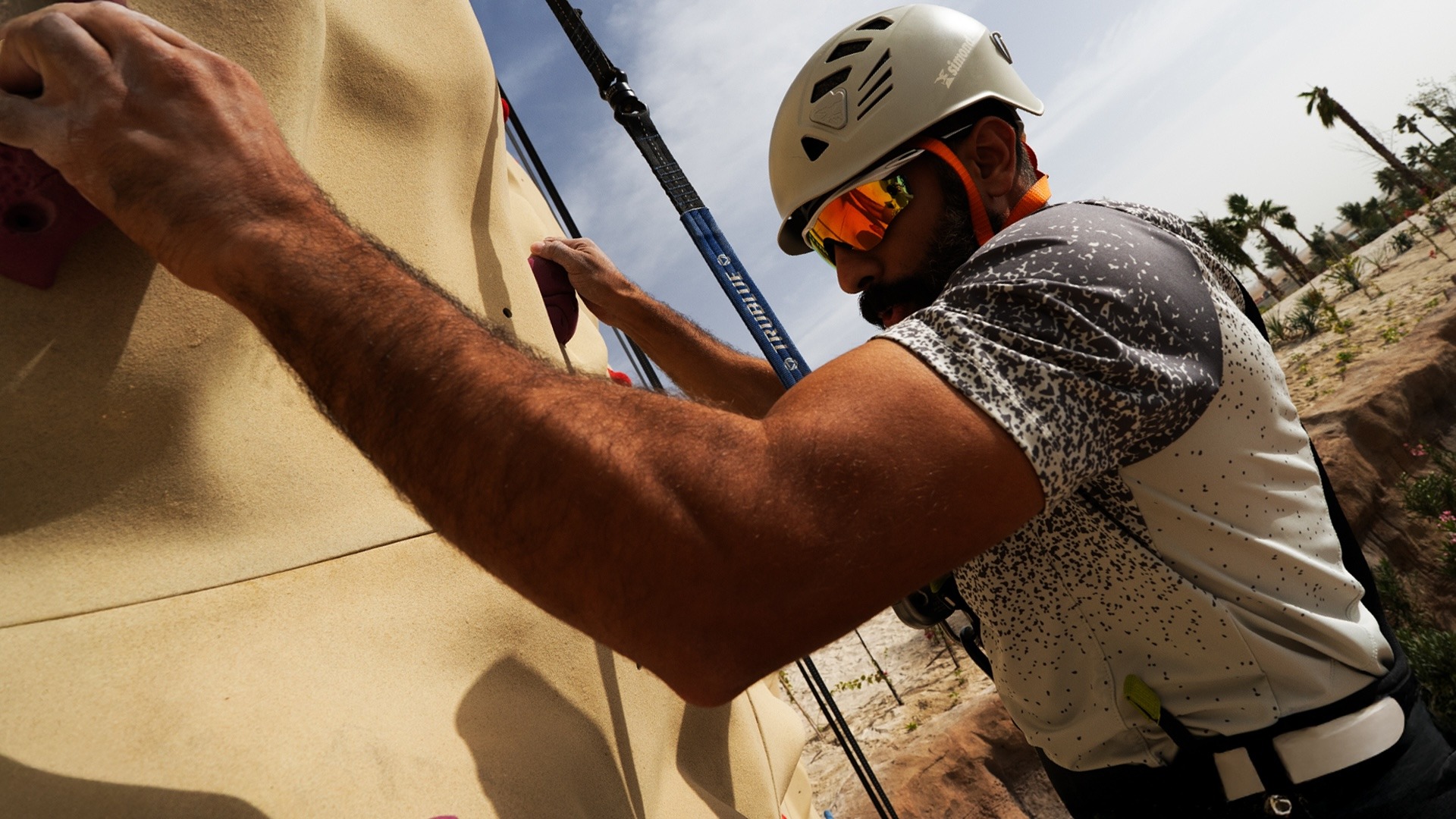
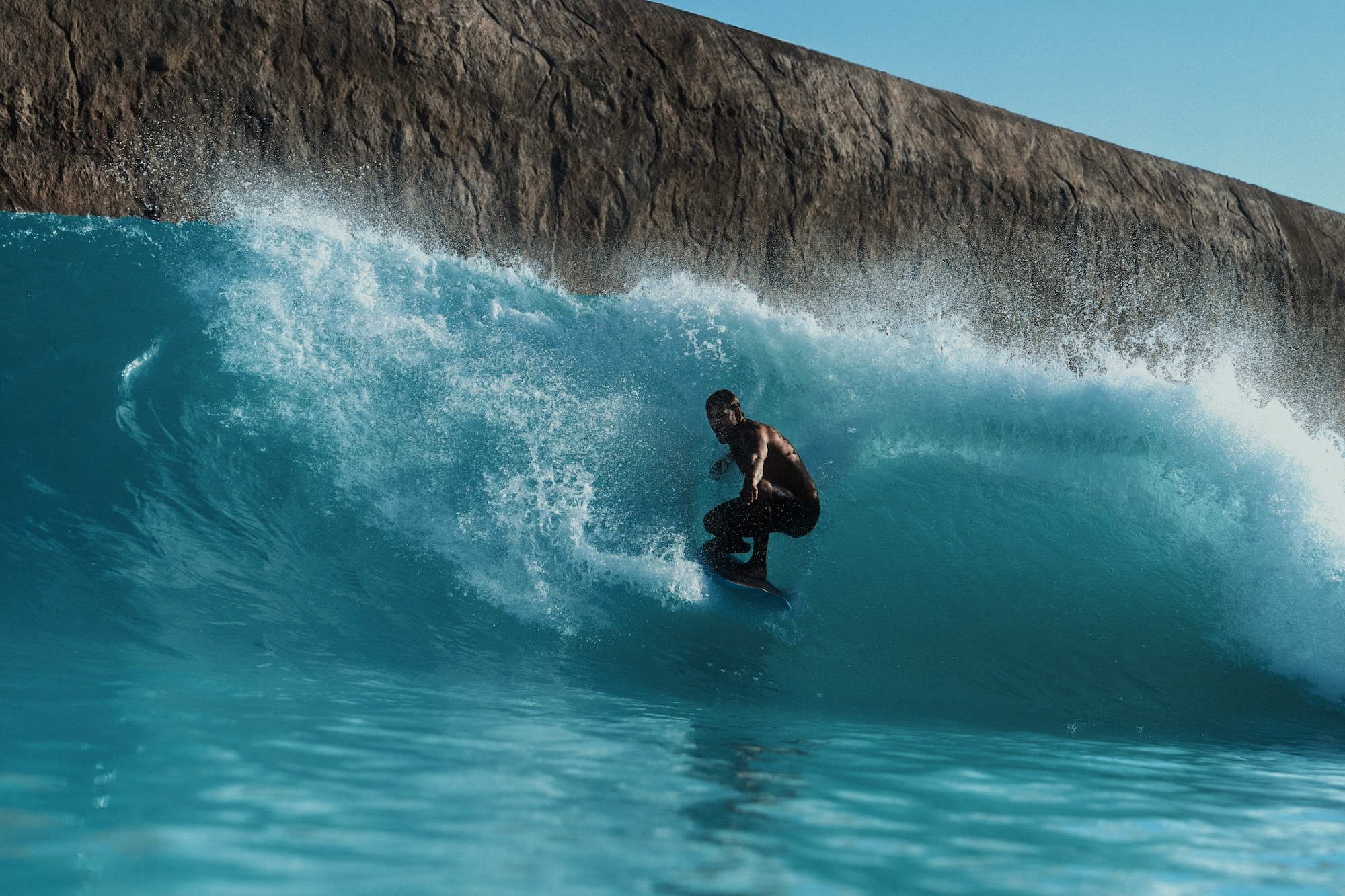
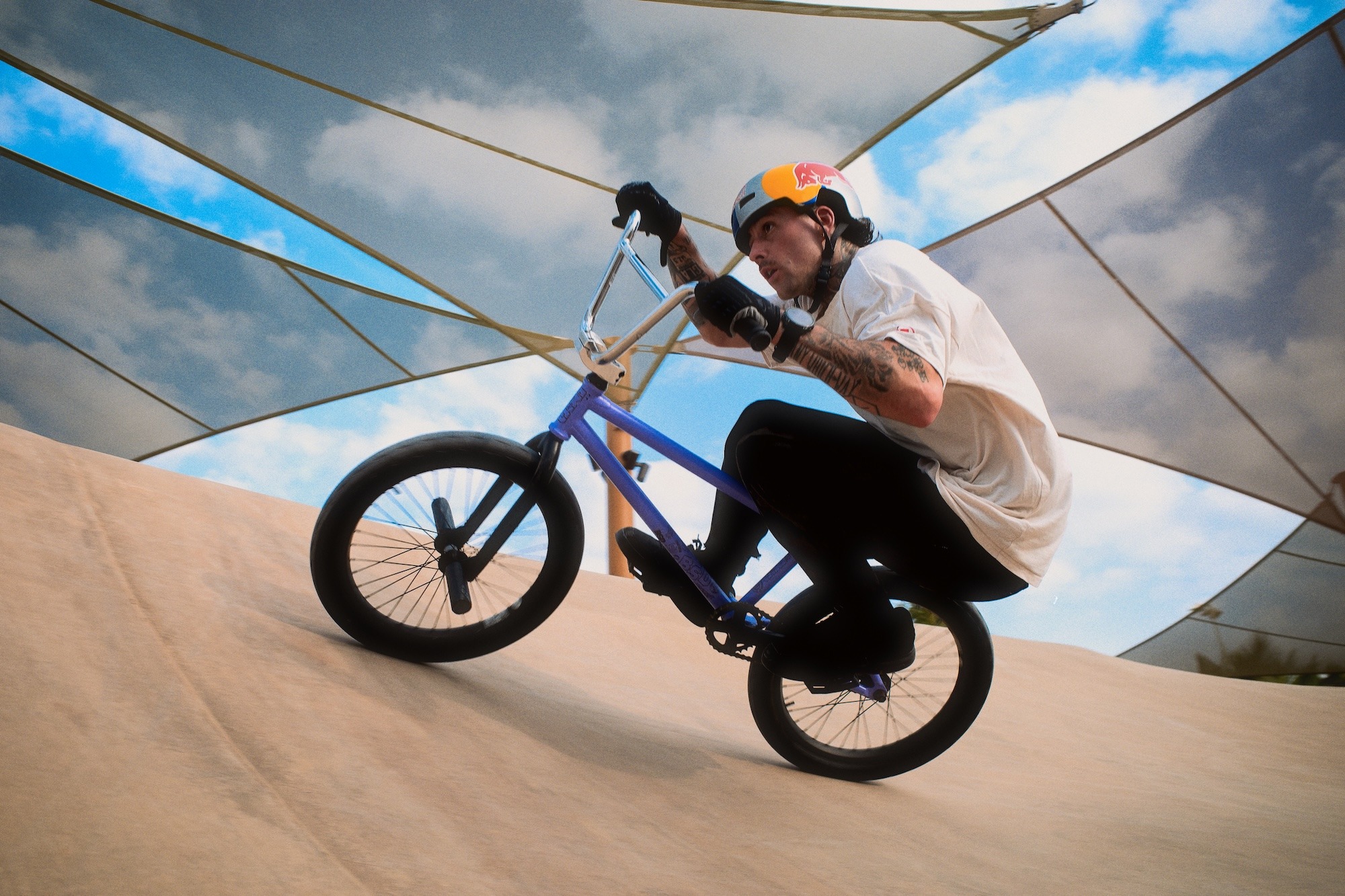
Body – The Call to Action; the Quest for Adrenaline: XCoast invites everyone to step outside their comfort zones and join global surfers, skaters, riders, artists, musicians, and culture creators where the sands meet the Red Sea.
Spirit – The Call to Connection; the Quest for Calm: Red Sea Beach Club rekindles the bond between man and nature. Here, visitors reconnect with the natural flow of the environment and discover a renewed sense of self within it.
A variety of attractions
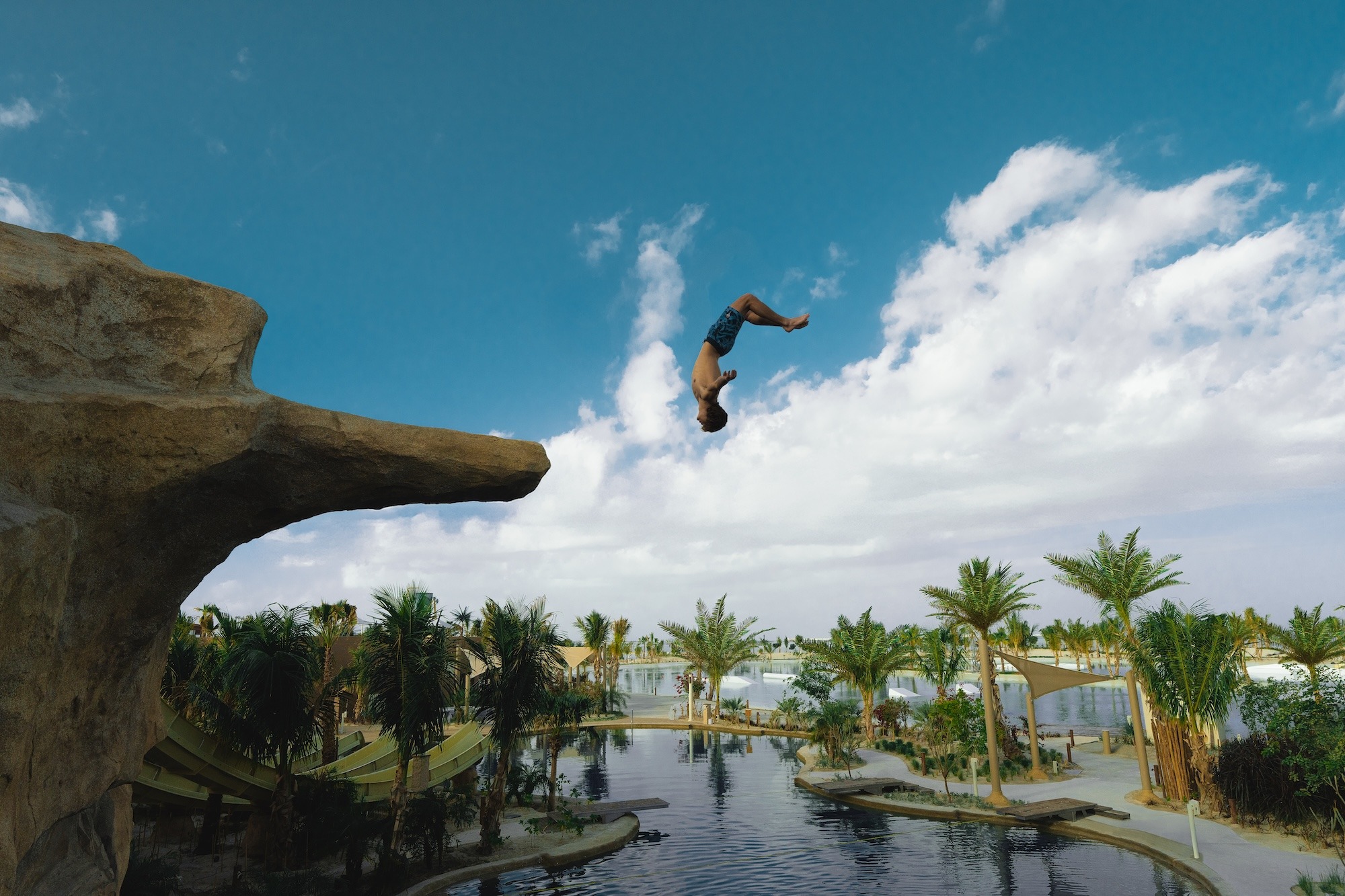
Anchored by Saudi Arabia’s largest wave pool, the destination offers a diverse range of dry and water-based attractions, from rope courses and ziplines to deep-sea diving, cliff jumping, and curated snorkel trails.
Storyland designed these experiences from concept through to completion, creating a rich collection of alternative activities that complement and extend the wave-pool offering.
“The deep sea diving and snorkel trail becomes an interconnected journey that takes guests on a mesmerising underwater journey through The Shallows, The Reef, and The Deep,” says Johnny Davis, senior creative director at Storyland Studios.
“This is a manmade ecosystem, but it’s been designed to reflect the natural wonders of the Red Sea – each zone was meticulously designed to captivate, educate and prepare guests for the incredible beauty and mystery of the Red Sea itself, and to offer almost an introduction to marine exploration.
“Through meticulous attention to detail, we introduce guests to the wonders of the Red Sea, offering an unforgettable experience.”
Guest experience is key
For Storyland’s landscape architecture team, the guest experience was the cornerstone of the project. Two guiding questions shaped the process: Will people want to be here? And will they want to return?
Great places are created with intention, empathy, and a deep understanding of what makes people feel connected to a space. For Storyland, this means every design choice must relate back to the story and the journey they want the guest to have – emotionally, visually, and experientially.
Rob Moffat, principal director for area development and landscape architecture at Storyland Studios, says: “This has been one of the most exciting projects we have ever delivered.
“We are honored to have been part of this journey with Red Sea Global, collaborating alongside world-class designers and engineers to help shape such an iconic destination. Future guests will experience the dedication, passion, and creativity that the team brought to life.”
Storyland created a unified design language that emphasises the resort’s core story of Mind, Body, and Spirit, inspired by coral formations, marine ecosystems, natural materials, and cultural heritage.
The team crafted a design scheme that reflects the purpose of each space – from the curated landscapes of ‘Mind’ activities to the elemental feel of the ‘Body’ areas, and the intricate details in zones focusing on ‘Spirit’.
This design language appeared across landscape features, attraction design, theming, and carefully detailed moments that invite exploration. However, creating an immersive experience requires more than creative vision; it demands technical precision.
The team had to understand how each choice, including planting, materials, grading, lighting, and sightlines, affected both the visible experience and the underlying systems that make it work.
Creative vision meets technical skill
Storyland translated the initial 2D concept into a detailed, coordinated business information management (BIM) model, delivering 100% of the area development and utilities package in Revit. The team modelled all area development elements in 3D, including landscape, water features, seawater processing systems, and underground utilities.
The BIM model became the central coordination tool throughout concept, schematic design, design development, and construction documents, supporting design intent, resolving complex interfaces, and enabling efficient decision-making.
This model served multiple contractors on the project; it served as the guide that helped keep the project progressing smoothly through various design phases.
“By developing the project in BIM, we could see the entire experience come to life before it was built,” says Jeff Damron, SVP of architecture and master planning at Storyland Studios.
“That visibility helped us refine the guest journey, find meaningful efficiencies, explore sustainable solutions, and collaborate seamlessly with every contractor involved.”
Storyland’s capacity to balance creative vision and technical skill allowed high-quality work to be delivered swiftly within an ambitious timeframe.
Sustainability
Sustainability was a key priority for Red Sea Global and an essential part of Storyland’s approach. Collaborating closely with project partners, the firm integrated environmentally intelligent strategies throughout the destination.
Dark-sky compliant lighting that preserves natural night skies and protects migratory patterns
Wildlife-sensitive illumination to minimise ecological disturbance
Low Impact Development (LID) stormwater solutions that manage water sustainably and reduce surface runoff
Water conservation and reuse studies to support long-term resource stewardship
Opportunities for renewable energy integration that reduce reliance on traditional power sources
Mel McGowan, founder and chief creative officer at Storyland Studios, says:
“It’s been a privilege to help bring the dream of ADRENA to life. ADRENA is truly a new paradigm of destination, offering a wholly original variety of active and passive offerings.
“We were inspired by the singular setting where the Arabian sands encounter the Red Sea to facilitate connections between people, land, air & sea. The result is an environment that doesn’t just welcome guests, but immerses them in an energising, captivating experience.”
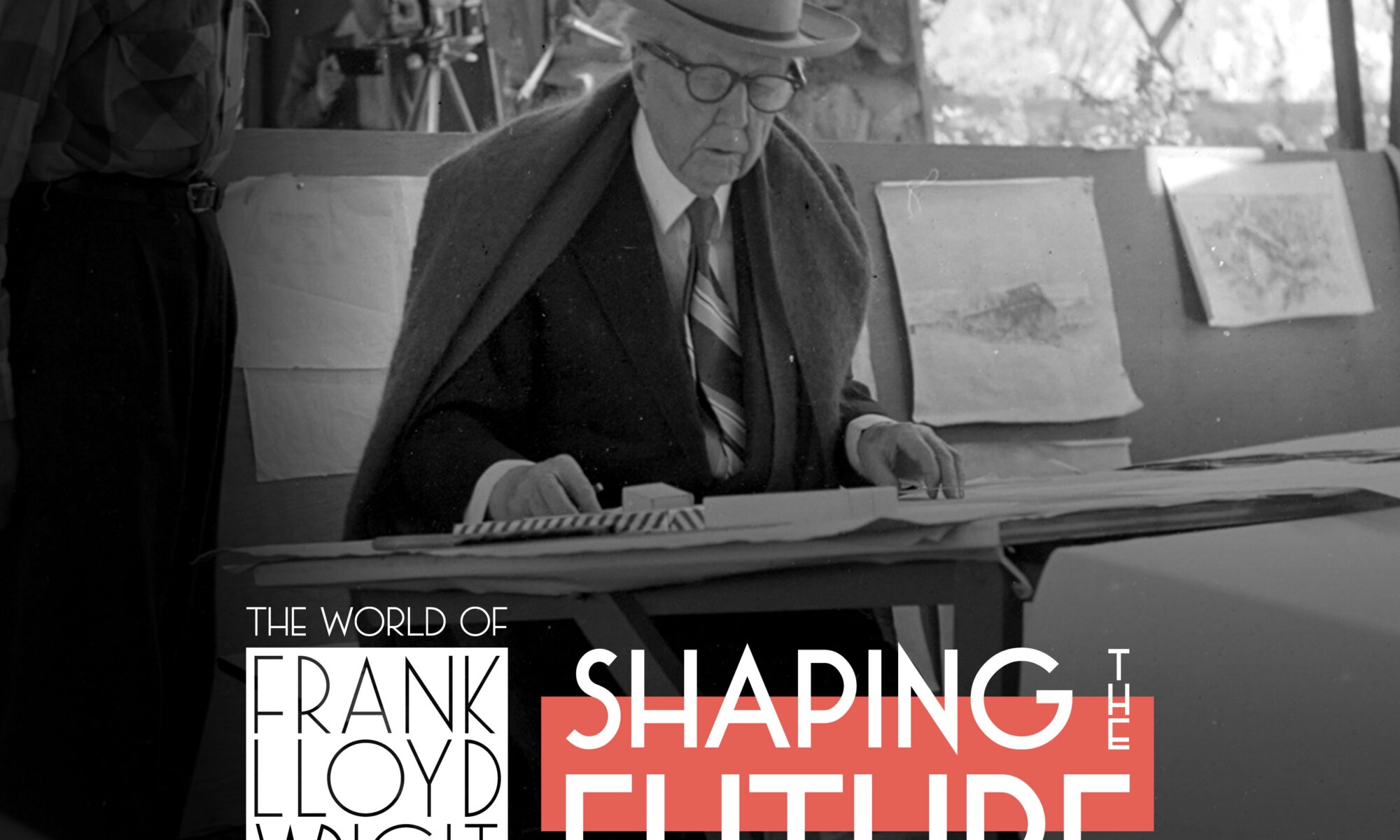
The partnership brings together two experience-driven design organizations to translate Wright’s visionary legacy into an immersive format designed to engage museum audiences around the world while shaping the future of architecture and design.
The exhibition will be curated by the Taliesin Institute at the Frank Lloyd Wright Foundation, led by Dr. Jennifer Gray, providing academic leadership and museum-level scholarship for the international exhibition circuit. Grounded in the study of organic architecture and the critical histories of modernism, the Institute examines Wright’s work within its historical context while engaging its continued relevance for design, urbanism, and environmental stewardship. Its curatorial leadership ensures rigorous research, thoughtful interpretation, and meaningful contemporary framing.
Initial floor plans and digital assets will be previewed during the American Alliance of Museums (AAM) Expo in Philadelphia on May 20–23, where the Imagine and Storyland teams will share early insights into the exhibition’s development. Additional details will be released following the conference.
“Growing up in Northeast Ohio and spending time in Western Pennsylvania, Frank Lloyd Wright was part of the landscape. Experiencing Fallingwater and seeing homes in my community influenced my understanding of how design affects the way people move through and feel within a space,” said Tom Zaller, President and CEO of Imagine.
“As someone who has built a career creating experiences through storytelling and design, Wright’s work represents the pinnacle of creativity and intention in design. This collaboration marks an exciting new chapter in immersive storytelling. Together with the Storyland team, we are honored to translate Wright’s visionary work into a format that hasn’t been done before — designed to inspire, engage, and ensure his story resonates for generations to come, honoring his legacy while shaping the future.”
“Frank Lloyd Wright believed architecture should elevate everyday life, and bringing his ideas to new audiences is central to our mission,” said Henry Hendrix, Vice President and Chief Marketing Officer for the Frank Lloyd Wright Foundaion. “We are thrilled to partner with Imagine and Storyland to translate Wright’s legacy into an experience that is both deeply grounded in scholarship and accessible to people around the world. “
The project represents an exciting expansion of Storyland Locations exhibition portfolio and reinforces its commitment to creating immersive environments that connect audiences with meaningful cultural narratives. For Imagine, the collaboration underscores its expertise in translating iconic legacies into thoughtfully designed immersive exhibitions for museums and cultural institutions around the world. Guided by academic leadership, the exhibition aims to set a new benchmark for how architectural history can be experienced in a museum context.
More information about the exhibition will be shared following the AAM Expo.
The Frank Lloyd Wright Foundation Archives (The Museum of Modern Art | Avery Architectural & Fine Arts Library, Columbia University, New York) All rights reserved.
The Frank Lloyd Wright Foundation Archives (The Museum of Modern Art | Avery Architectural & Fine Arts Library, Columbia University, New York) All rights reserved.
The Frank Lloyd Wright Foundation Archives (The Museum of Modern Art | Avery Architectural & Fine Arts Library, Columbia University, New York) All rights reserved.
About Imagine
Imagine (formerly known as Imagine Exhibitions) is a global leader in immersive storytelling and experiential design, specializing in the development of world-class exhibitions and attractions for museums, studios, IPs, brands, and leisure destinations worldwide. Through its four core services — Exhibitions, Studio, Retail, and Operations — Imagine creates visitor experiences that entertain, educate, and inspire.
Imagine’s Exhibition division develops, manages, and tours award-winning traveling experiences with highlights including Harry Potter™: The Exhibition, Jurassic World: The Exhibition, Titanic: The Exhibition, Downton Abbey: The Exhibition, and Hunger Games: The Exhibition, captivating audiences and driving attendance worldwide. Its Studio plans, designs, and produces both traveling and permanent experiences, offering comprehensive creative services for clients seeking unique, story-driven experiences. The Retail division enhances guest engagement and drives revenue through bespoke product development, store design, and operations, while the Operations team provides extensive consulting, marketing, and operational support, ensuring the seamless and profitable management of visitor experiences across various venues.
Imagine is currently producing, presenting or operating more than 40 unique experiences around the globe, spanning museums, science centers, zoos, botanical gardens, integrated resorts, and non-traditional venues. For more information, visit www.theimagineteam.com or follow Imagine on Facebook, Instagram, and LinkedIn.
About Storyland Locations Storyland Locations is the development arm of Storyland Studios — created to turn powerful stories into transformational experiences. As a dedicated experiential developer backed by private investment, the company develops projects in-house, shaping concepts, securing IP, forming operating partnerships, and raising the capital required to bring experiences to market. Storyland Locations maintains relationships with real estate owners and developers worldwide and brings a strong understanding of the content, commercial, and operational needs required to deliver successful destination experiences.
About the Frank Lloyd Wright Foundation
The Frank Lloyd Wright Foundation, established by Wright in 1940, is dedicated to helping to create a better world shaped by Frank Lloyd Wright’s legacy and ideas, inspiring how we live, learn and build. The Foundation advances Frank Lloyd Wright’s legacy by connecting people to the continued relevance of Frank Lloyd Wright’s architectural legacy; preserving the buildings, landscapes, and collections of Taliesin and Taliesin West; and advancing the impact of architecture and design.