Storyland Studios to Transform Public Sector Experiences Through Storytelling, Awarded Contract with University of California

Storyland Studios to Transform Public Sector Experiences Through Storytelling, Awarded Contract with University of California 

Storyland Studios, a global leader in story-based destination and experience design, today announced it has been awarded a landmark cooperative contract with the University of California (UC), in partnership with OMNIA Partners, the nation’s largest cooperative purchasing organization for public sector procurement.

This strategic agreement enables Storyland to bring its unique philosophy of narrative-driven placemaking to the University of California system and to public agencies nationwide through the OMNIA Partners cooperative contract. The scope extends beyond digital marketing to encompass holistic destination development and place-making, using immersive storytelling to enhance education, navigation, and community engagement. 

“This partnership signifies a powerful alignment of vision,” said Shawn Stewart, VP of Strategic Storytelling at Storyland Studios. “We believe every campus, every public space, has a story to tell. Our mission is to use immersive design not merely as a tool, but as a language to deepen learning, create intuitive wayfinding, and foster a profound sense of place. We are moving beyond information delivery to creating emotional connection.” 

The comprehensive agreement covers a wide range of creative services, including: 

  • Immersive Digital Experiences: Augmented Reality (AR), Virtual Reality (VR), and Mixed Reality (MR) solutions to bring educational content and campus histories to life. 
  • Destination Development & Placemaking: Theming, architectural storytelling, and environmental graphics that transform campuses and public facilities into cohesive, engaging narratives. 
  • Interactive Storytelling: Digital installations and interactive exhibits that turn complex information into compelling, accessible journeys. 
  • Wayfinding & Strategy: Intuitive navigation systems and master planning rooted in a clear, overarching story. 

Joe Sibal, Director of Interactive Design at Storyland Studios, added, “For decades, we’ve used interactive storytelling to immerse guests in new worlds. Applying this expertise to an academic institution of the University of California’s calibre, renowned for its excellence and innovation, is a thrilling opportunity. We’re not just building websites or apps; we’re crafting digital ecosystems that add depth and dimension to the student and visitor experience.” 

This contract builds on Storyland’s proven track record of designing for purpose-driven organizations. Like their recent partnership with the MSC Foundation to create a beacon for ocean conservation in The Bahamas, Storyland sees this agreement as a chance to apply its “Cause and Commerce” philosophy to the public sector. 

“The opportunity to work with OMNIA Partners is a significant milestone,” said Sean Featonby, Director of Business Development at Storyland Studios. “We are honored to join their network. This is more than a contract; it’s an invitation to support the mission of higher education and public organizations across the country. We are designing narrative-led experiences that have a positive, lasting impact, empowering students, staff, and visitors to become active participants in their community’s story.” 

Through this partnership with OMNIA Partners, Storyland Studios is now a readily available resource for public agencies seeking to elevate their physical and digital environments through the power of story. 

View all of Storyland’s public education offerings on OMNIA’s site.


About Storyland Studios
Storyland Studios is a global destination and experience design firm dedicated to creating places that inspire, educate, and entertain. By putting story at the center of every project—from theme parks and cultural landmarks to educational institutions and conservation centers—the company transforms visions into compelling realities. Their multidisciplinary team specializes in architecture, experiential design, interactive media, and strategy, ensuring every project delivers a powerful and unforgettable narrative journey. 

About The University of California
The University of California is a world-class public research university system with 10 campuses, six medical centers, three national laboratories, and a statewide agriculture and natural resources program. Learn more at www.universityofcalifornia.edu.  

The University of California (UC) and OMNIA Partners are proud to offer UC campuses, affiliated institutions, and public agencies nationwide with a portfolio of cooperative contracts through the Lead Agency Marketing Partner (LAMP) program. These contracts have been competitively sourced by the UC, formally adopted on behalf of the UC System, or competitively sourced by another public institution and are available for the UC System to utilize as well as other public agencies nationwide. 

About OMNIA Partners
OMNIA Partners is the nation’s largest and most experienced cooperative purchasing organization, dedicated to providing public sector and higher education institutions with a streamlined, compliant procurement process. Their portfolio of leading contracts offers agencies access to pre-vetted suppliers for a wide range of goods and services. 


Lasting Impact: PortAventura World

When PortAventura World became a B Corp in 2022, a clear message was sent that the business had a laser sharp focus on sustainability.

PortAventura World has been focused on sustainability since its inception in 1995, and in 2008 they committed to the UN Global Compact, expanding their sustainability efforts to social and governance initiatives. Over the years, they have steadily embedded sustainability into their core business strategy, moving from a parallel sustainability program to a fully integrated, purpose-driven approach.

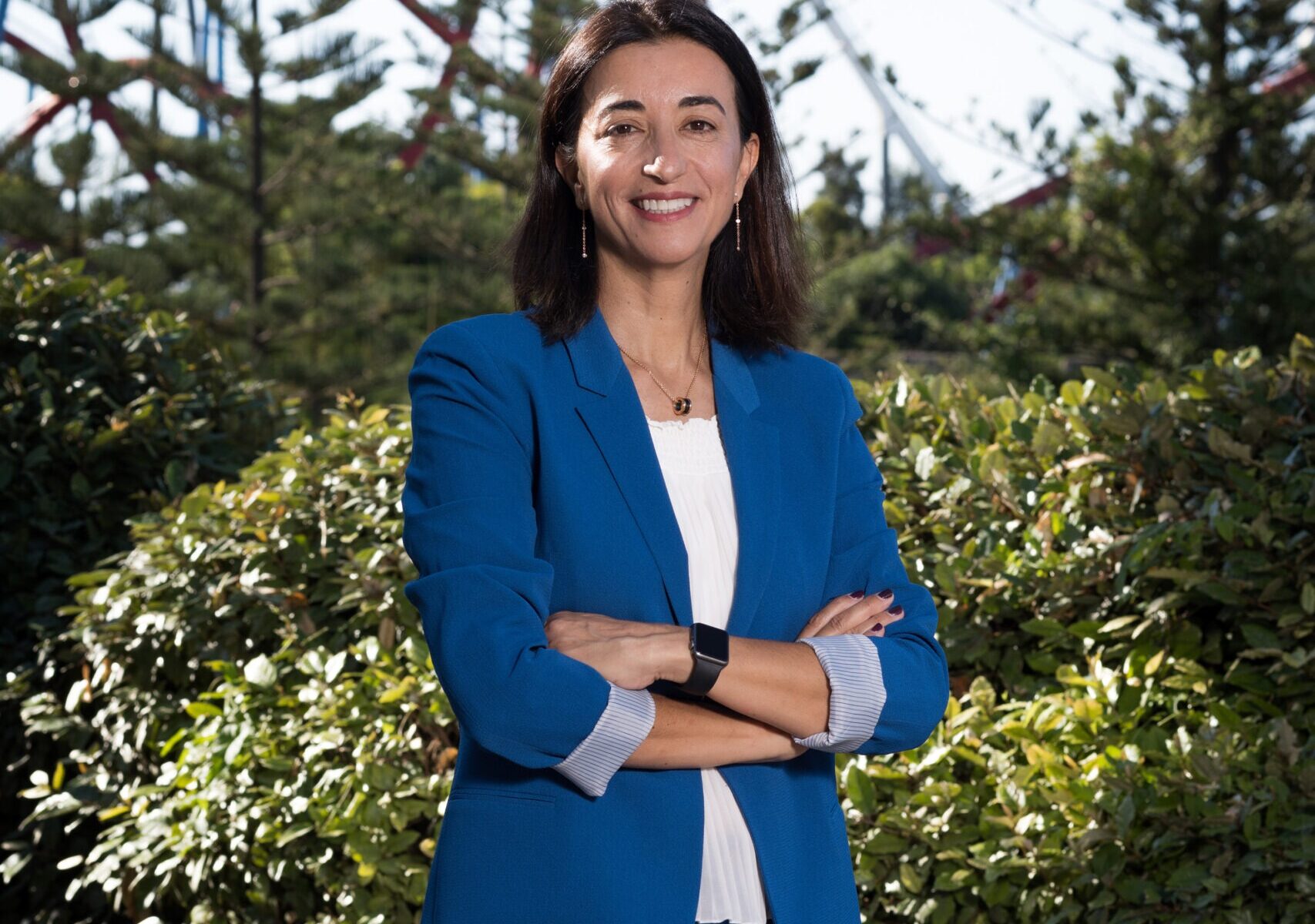
We caught up with Choni Fernandez, Chief Sustainability Officer, to understand how PortAventura World is planning to continue leading the industry in sustainable best practices, and the challenges it faces in implementing a holistic strategy.


Marie Rayner (MR): Hi Choni – thank you for meeting with us today. As Chief Sustainability Officer, you have a big role to play in PortAventura World’s sustainability strategy – what do you enjoy about your role?

Choni Fernandez (CF): My role blends being the sustainability director with customer service and communication. It has been an incredible journey for me – we have started from scratch and year by year we have been able to construct sustainability into all the different departments. This has truly become my passion because we have learned how sustainability can be a real driver into the overarching PortAventura World strategy.
Photo Credit: PortAventura World

MR: What was the starting point for Port Aventura World?

CF: PortAventura World opened in 1995 as the first theme park in Spain. It was already built with a sustainable vision and respect to the environment, partly because we have water scarcity in the area, so it was important to develop the project to take care of natural resources. This vision was in the origins of the park.

Since then, we have integrated responsible management into our business strategy – starting in 2008 when we committed to the United Nations Global Compact and its 10 principles.

From that point on, we talk not only about environmental, but also social issues. So this became a holistic approach considering suppliers, employees, and customers.


MR: And how did you manage that evolution – how did you move the business through the stages, to get to where you are now?

CF: At the beginning the sustainability strategy was parallel to the business strategy. Over time we have fused them, so now sustainability belongs to the business strategy of the company. We moved ourselves to a purpose-driven company, and that’s the reason why we decided to certify as a B Corp. Not only did we want to change our attitude, we also wanted to protect at a governance level that the company has a purpose, and that all stakeholders should look after this purpose.

It has been an evolution. We used to have a mission, now it’s evolved to a purpose. It’s the reason why we exist. That is, we exist to create unforgettable experiences, which also have a positive impact on people and on the planet.

This is not an empty sentence, it’s the philosophy and the reason why we succeed. The purpose is translated into strategy, actions, and then investment in resources. Being a purpose driven company is really a way to set the future path the company wants to follow.


MR: This is a fantastic way to look at purpose and strategy. How did you build support and buy-in from your stakeholders?

CF: When we think in terms of purpose and having a positive impact on people, the first thing we need to do is have direct contact with our stakeholders, and have the feedback and information about what they expect from our company.

We started with different surveys and focus groups to really understand the expectations on the company from different stakeholder groups.

This was really amazing. For example, some of our most important stakeholders are our suppliers. We have 1,200 suppliers – as big as Coca Cola and as small as a painter from the local area.

We met with them to understand their expectations, explain our ambitions, and understand how they could be part of it.

This was very much an open discussion, we wanted to listen to them and understand their feedback, with the hope that they could become part of our plan.

The answer was super positive and amazing, and now the dialogue with suppliers is an annual event that has grown enormously; we have supplier awards for the best service, the best sustainability solution, and the highest score in H&S.

Our suppliers are part of the PortAventura World community and as a result of this, we have a better engagement and relation from these stakeholders.

With regards to employees, we ran different surveys asking them ‘what do you think the company can do better?’, ‘What are the activities and projects that we can put in place for you?’

This survey ran before and after the pandemic and health and wellbeing was a consistently high priority for our employees, along with training and development. As a result, we started to create a wellbeing program with different workshops on e.g. healthy eating, stopping smoking, etc. Our wellbeing program has been so strong that we have created our own training room inside the resort offering both mental and physical wellbeing programs to all of our employees.


MR: It must have been rewarding to see the program grow and have a positive impact on employees?

CF: As with all sustainability initiatives, we start off small, we consolidate, integrate, and embed the action into the company, then we make it bigger. The wellbeing program started off as the result of a survey – now all the employees that participate have increased employee engagement, and we’ve also reduced absenteeism. It’s important to measure the return on sustainability projects, because part of what makes something sustainable is how it creates value.


MR: Completely agree! We’ve talked about suppliers and employees, are there any initiatives that have come from customer feedback?

CF: We run surveys for customer satisfaction every day in our parks and hotels. We learned that some groups with e.g. special needs/disabilities were not happy with the experience.

So we took these insights and developed a plan to improve inclusivity inside the resorts.  This included improvements for autistic guests.

One of the most visible things we did was  introduce Julia from Sesame Street – the first character to be diagnosed with autism. She is part of a show in our Sesame Street area. Not only do autistic children see representation through Julia, she also helps children to learn about autism.

We have also prepared pictograms for these children who do not have the ability to express themselves properly with language. This simple action, to prepare pictograms that provide guests with the ability to express themselves, is actually a big improvement in the guest experience for these customers.

Through this, we are increasing the engagement with this group of customers and improving their experience – which is what we want. We want every guest to have a wonderful time at PortAventura World. But additionally, this increased engagement is also driving more visits to the park for people with special needs.

Sustainability is not a ‘nice to have’, it’s something that must also create value, and we need to incorporate it into our P&L. We need to show that if we invest in our employees, increase their engagement and reduce absences, this investment has a real translation to the P&L. Sustainability projects can reduce costs or increase revenues – this is very possible and needs to be demonstrated in a way that the Chief Financial Officer will understand!
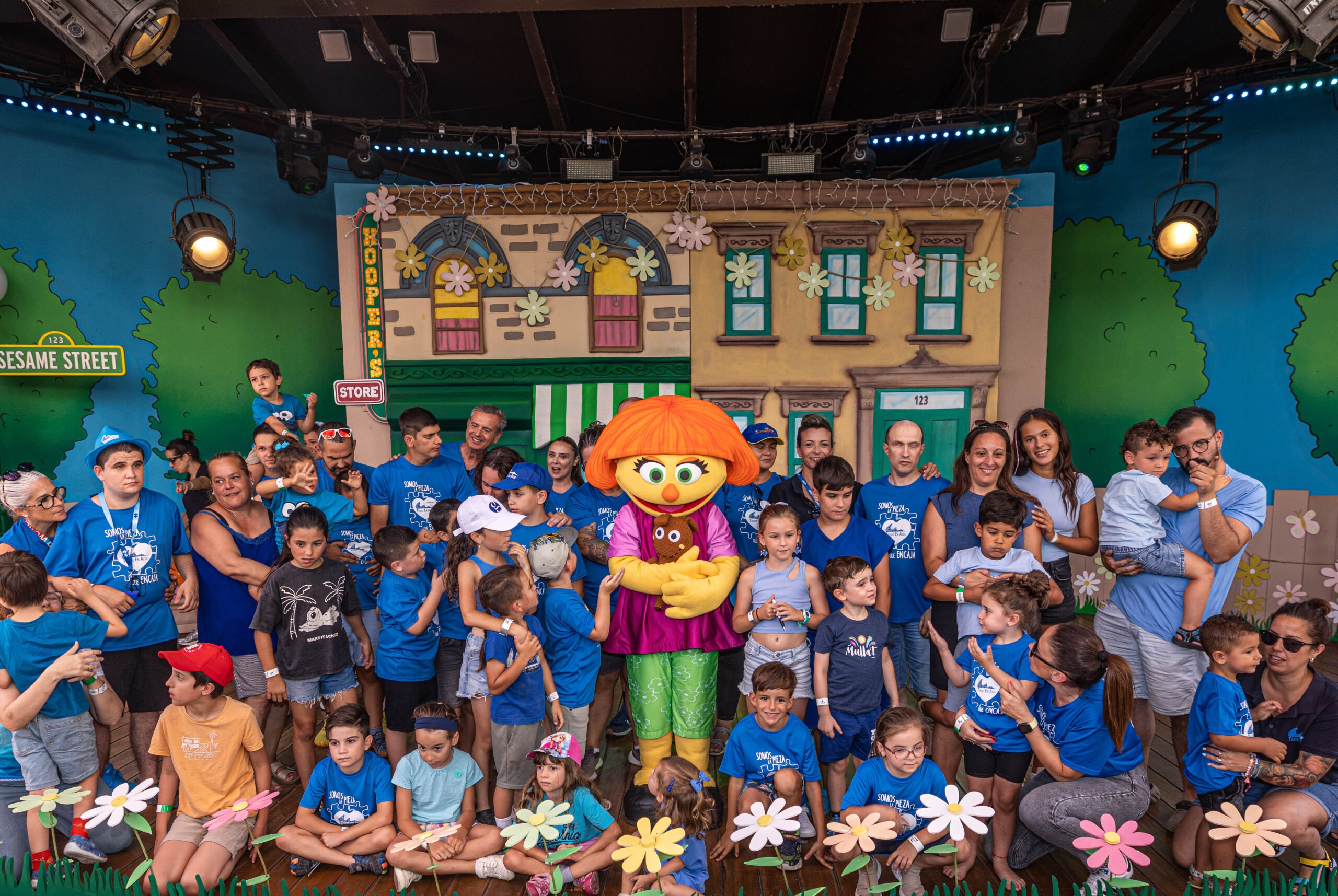
Photo Credit: PortAventura World

MR: Some of these projects can take time to show revenue, etc. Are there times when it’s difficult to explain the return on investment or the impact on the P&L?

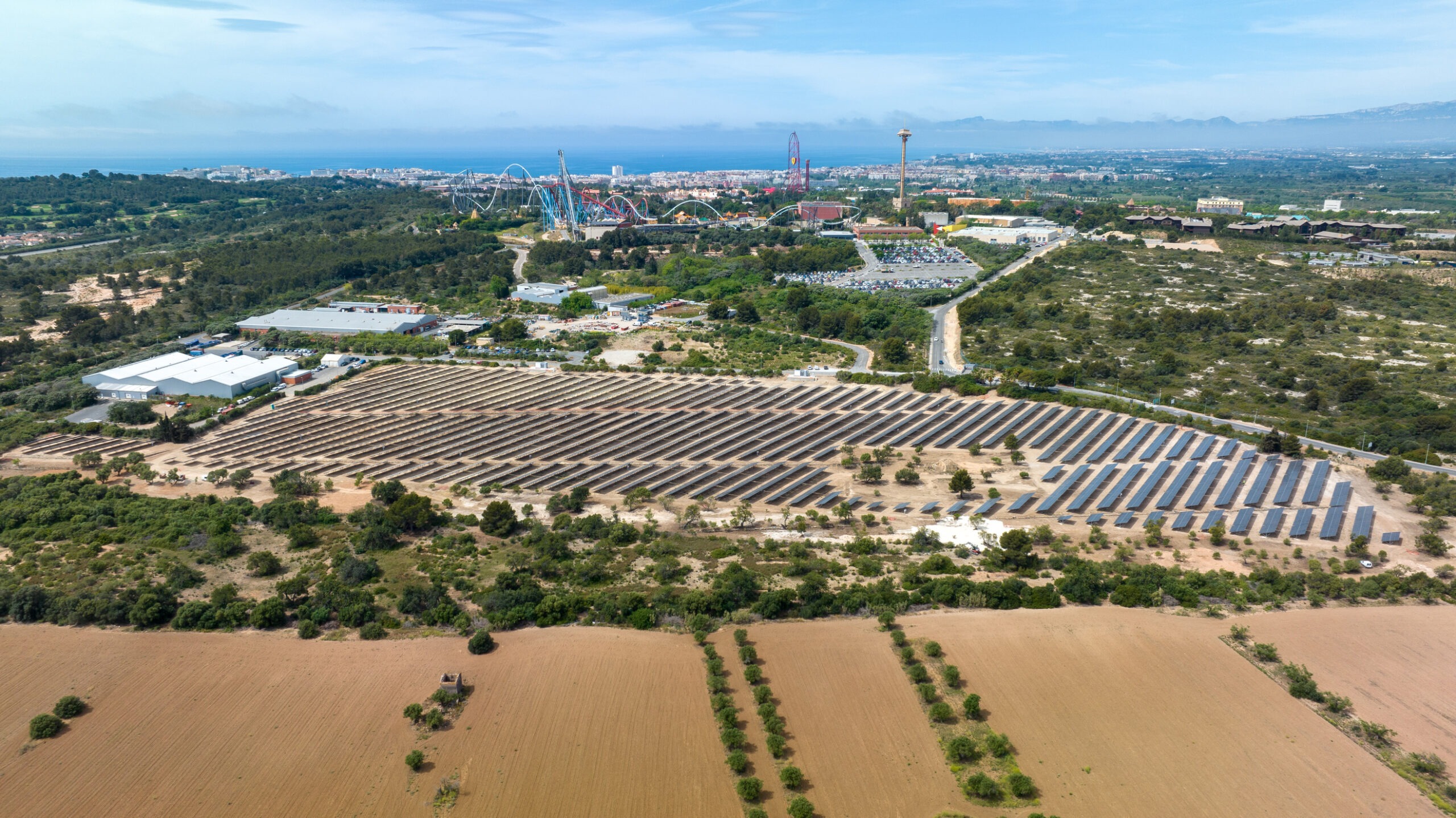
CF: Sustainability at our starting point was the environmental side. It’s easy to explain that if you use solar panels you can save money on your electricity bill, but sustainability is not only about the environment. That is only one-third of a holistic approach, we also need to take care of the social part and the governance, obviously – the ESG.

Sustainability is a long-term project. Sustainability Managers manage different inputs across various departments. Many times the returns are not immediate. For example, when you want to increase the number of guests visiting the park with different disabilities, this is a step-by-step process. You need to set a target and be confident that you are going to deliver on these expectations.

So taking the same example – we have our character with autism, Julia, but now we need to train our staff so they can understand and be supportive of the needs of neurodiverse guests.

We’ve started small and we will keep on expanding this program. In several years we will be able to demonstrate how many people have arrived because we have a special program. Today we’re talking about autism, but next we might be looking at programs for visually impaired guests. These are challenges, but they are also opportunities.

It’s fascinating that, in our industry, we have the opportunity to be really accessible for everybody. Not all businesses have the opportunity we have – we are in an industry that makes people happy! Our purpose is to create unforgettable experiences and we cannot lose the opportunity to enlarge this purpose, so that everybody really can enjoy our parks. And not just theme parks, but also museums, water parks and other experiences.

We have this absolutely amazing opportunity to really be entertainment for everybody, to really create a positive impact on people, because we leave nobody behind.
MR: Do you see your sustainability strategy as being a driver of visitors to your park?

CF: A small percentage of guests do choose PortAventura World because we address specific inclusivity, accessibility, or dietary needs, for example. But for most visitors, sustainability isn’t the primary driver of their decision. They come for our unique rides and wonderful shows, and while sustainability may not be what brings them here, they really appreciate that we are investing in those projects.

Where we see sustainability making a real difference is with our B2B customers (travel agencies, event organizers, and companies using our conference center). For them, the sustainability report is often the first thing they ask for, because they need to be confident we align with their own commitments.

It’s a privilege to set an example in the industry, showing what we expect from sustainability and inspiring others to adopt more sustainable practices. The interest is growing every year as more companies ask themselves how to embed sustainability into their own business models. Together, we’re helping to strengthen sustainability across the entire industry.

And it’s clear: year by year, this becomes more critical. Companies that fail to adapt risk losing both B2B and B2C customers.


MR: How do you see sustainability continuing to grow?

CF: By engaging our people, partnering with suppliers, listening to our guests, and learning from the industry, we build awareness and influence. Sustainability becomes something tangible that our employees, our suppliers, and our guests can understand.  This creates a ripple effect because they also explain that to their families, and to their community, and to their neighbors.

I think we’re really helping to spread sustainability to all our stakeholders – whether it’s suppliers, peers in the industry, or others. And honestly, our employees are our best ambassadors because they see what we do every day and carry that message forward.


MR: What has been the most rewarding initiative you have worked on?

CF: One of the initiatives I’m most proud of is PortAventura Dreams Village, where we welcome families with seriously ill children for a week’s stay in their own villa. We have 10 villas in total, each with bedrooms, fully adapted private bathrooms, and a private outdoor space, along with access to shared areas like a central garden and a clubhouse. Families receive all their meals – either in the parks or at the clubhouse café – and enjoy unlimited access to all of our parks.

The families who come are often facing very difficult situations. The children are dealing with complex illnesses, and this gives them the chance to spend quality time together, to feel like a family again, and to simply enjoy themselves. We also try to arrange visits so that children with similar conditions come at the same time, which helps both the children and their parents connect with others who truly understand what they’re going through.

It’s a program that has been a real life lesson for me. What makes it even more special is the way our employees volunteer their time – running workshops, face painting, or just playing with the children after their regular shifts. They go to the village because they want to improve the positive impact on the families.
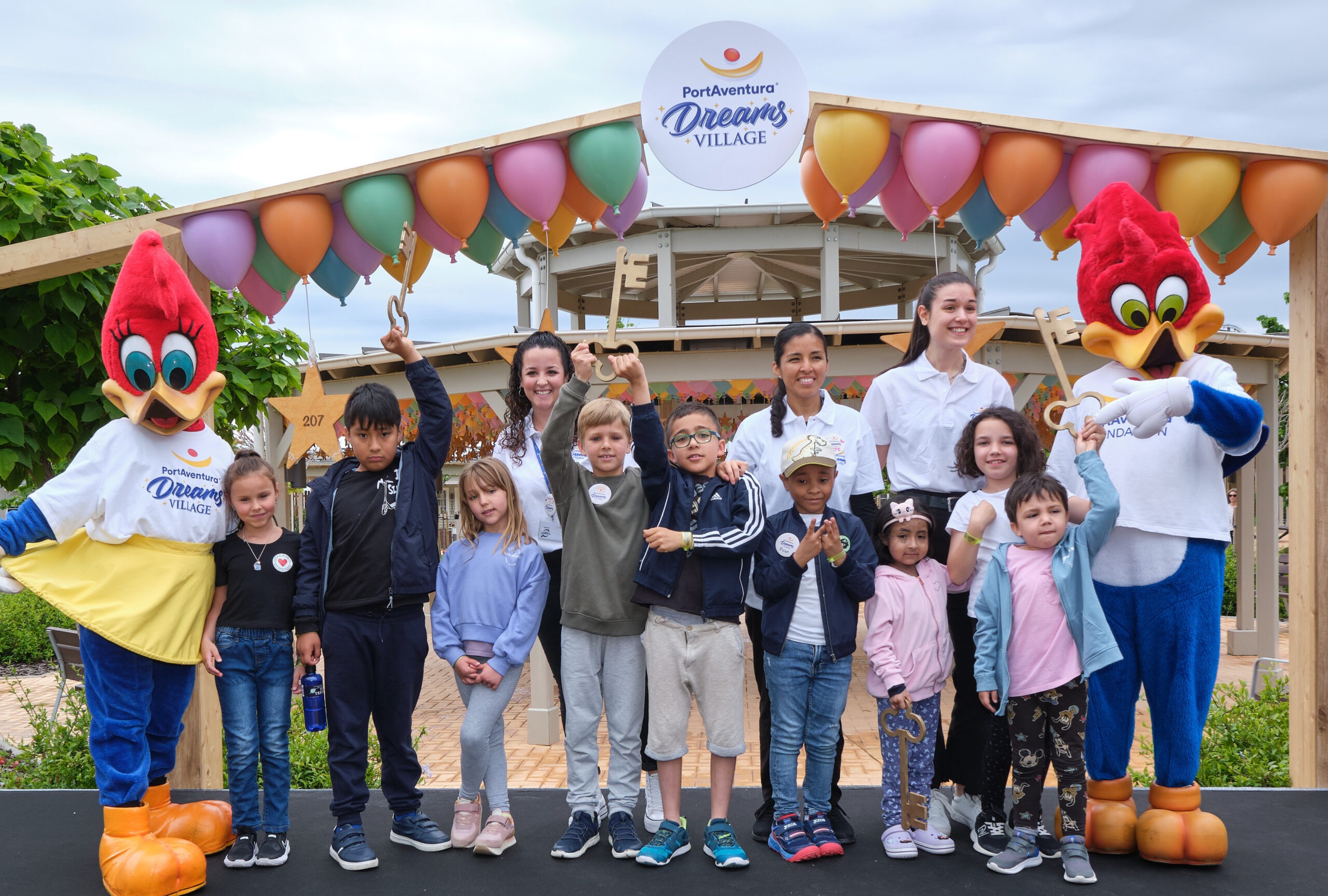
Photo Credit: PortAventura World

MR: What are the barriers to achieving your goals and how are you overcoming these?

CF: A big barrier for a lot of companies can be demonstrating that sustainability creates value for the company. Sustainability needs to talk the same language as CFOs. One of the things to demonstrate is that it’s an investment and not a cost.

Engage and involve all stakeholders. Sustainability is not a journey that you can do alone. You need all people on board, including visitors, suppliers, shareholders. Everybody should be on board in the same way.


MR: What excites you most about the future? What innovations are you currently seeing in the market that you would like to bring to your projects?

CF: One thing that is going to help us a lot is going to be technology and AI. That’s really something that will help us be more efficient in capturing data, for example, determine all electricity after consumption, much of this data is now recovered manually, we need technology to capture all of this data in a more efficient way.

AI is also going to help us create customized customer experiences. We can learn much more about our customers, likes, special needs, pain points. This is also a field that can really be improved with technology and AI.


MR: How would you sum up PortAventura World’s success with its sustainability strategy?

CF: It has been possible because we have shareholders and management that trust in it and have really understood that we need sustainability to be a more resilient, stronger company, and to create this value for the company. Our shareholders – and the investors behind them – really believe in the power of the company, and I’m very grateful for their support.


About PortAventura World

PortAventura World delivers unforgettable experiences for the whole family. The resort includes PortAventura Park, with more than 40 rides; Ferrari Land, a one-of-a-kind park in Europe; Caribe Aquatic Park; a convention centre; five themed four-star hotels; and a themed five-star hotel. Located a short drive from Barcelona, PortAventura World is a B Corp-certified themed resort and one of Europe’s largest family leisure and holiday destinations. Over the past 29 years it has welcomed more than 100 million visitors. Every visit becomes a unique adventure thanks to our guests and the dedication and professionalism of our team. Learn about employment opportunities at: https://www.portaventuraworld.com/us/work-with-us and join our world of unforgettable experiences.

About Storyland Studios

Storyland Studios is a full-service experience design firm with offices in the US and Europe. We imagine, design, and create immersive experiences and environments that lift the Spirit. Storyland Studios team Members and Executive Leadership include alumni from The Walt Disney Company, Walt Disney lmagineering, Pixar Animation Studios, Universal Studios, and LEGOLAND® – all passionate about creating immersive storytelling experiences that shape culture and connect with people on an emotional level. storylandstudios.com

Storyland Studios shares insights into the power of landscape architecture

Storyland Studios, a global experience design and strategy firm, has shared insights from Rob Moffat, principal director of landscape and area development, a former Disney Imagineer who trained under Disney Legend John Hench.

When guests visit a theme park, resort, or cultural destination, they’re immersed in a story. They may notice architecture, rides, music, but the real connection is often invisible. At Storyland Studios, that invisible thread is landscape architecture, and Moffat leads the way.

Moffat also served as owner and Principal of ima, an international landscape architecture practice that supported Disney and the global themed entertainment industry for decades. With over 25 years of experience, he has shaped landscapes for Disney, Warner Bros., and major international destinations.

Today, he continues to guide Storyland teams in designing environments where artistry, storytelling, and guest well-being converge.

More than just finishing touches

Moffat leads Storyland’s landscape architecture practice, supported by a talented team including Kevin Blakeney, director of master planning, who has experience in themed entertainment and destination design for projects like Shanghai Disney Resort, Hong Kong Disneyland expansions, and other large international destinations.

“Guest experience is something we encounter in our everyday lives—it could be as basic as driving somewhere, walking through a public space, or enjoying a theme park,” says Moffat. “But it’s all an experience, and it’s either a good one or a bad one, even if we’re not really paying attention to it.”

“Yet for landscape architects, guest experience is at the heart of what we do. Whether it’s a hotel, theme park, or retail environment, people want to escape their everyday life. We always have to ask the question: Are people going to come and use this space? Are they going to want to experience it, be there, and then want to come back?

“As landscape architects, we’re the glue of a project. We interact with architects, civil engineers, lighting designers, graphics and wayfinding, and project stakeholders. Together, we shape the canvas that everything else is built on.

“The best projects are where we have a great relationship with the architect and work together to integrate both the building architecture and the landscape architecture, so they don’t feel like two separate entities.”

Problem solving & sustainability

Many believe landscape architects just “add greenery,” but their role is complex. They balance environmental regulations, circulation, water use, and safety, as well as how a space feels.

“Sometimes we’re seen as cake decorators, but really it’s not that at all. It’s how everything is put together. We deal with circulation, environmental constraints, and existing site challenges. A lot of our approach is really problem-solving with creativity.”

When it comes to problem-solving, Rob is an advocate of 3D design: “When an entire project is in something like Revit, we have the opportunity to see things early on. It’s much cheaper to make mistakes within a 3D model than during construction! The ability to minimize challenges and deal with them in the model environment gives us the data we need to make educated decisions.”

A key aspect of problem-solving is its impact on sustainability, which must be addressed in design, operations, and guest experience.

“Some clients see sustainability as more regulatory or compliance-driven, while others look at landscape architecture as a way to creatively be more sustainable—whether that’s biodiversity, water conservation, planting to encourage shade, and so on.

“And this becomes another puzzle to resolve—particularly because there are fewer green sites available. Often, we’re dealing with a lot of challenges on an existing site, and we need to understand how environmental ambitions align with the physical constraints of the site itself. It really becomes a challenge of how we balance effectively, pushing and pulling the different requirements that come onto a project.”

Moffat says it is his team’s responsibility to educate clients on best practices and show how design impacts sustainability, helping them see the effects of their choices.

Trilith Studios

Storyland partners with Trilith Studios in Atlanta, a major film hub (formerly Pinewood Studios) where films like Ant-Man, Superman (2025), and Coppola’s Megalopolis have been shot. It also features Town at Trilith, a residential community with homes, shopping, and dining.

The latest project at Trilith, Trilith Live, is set to open in early 2026. It will include dual sound stages for TV shows like Family Feud, iconic movie props, immersive sets, and a reimagined theatre experience.

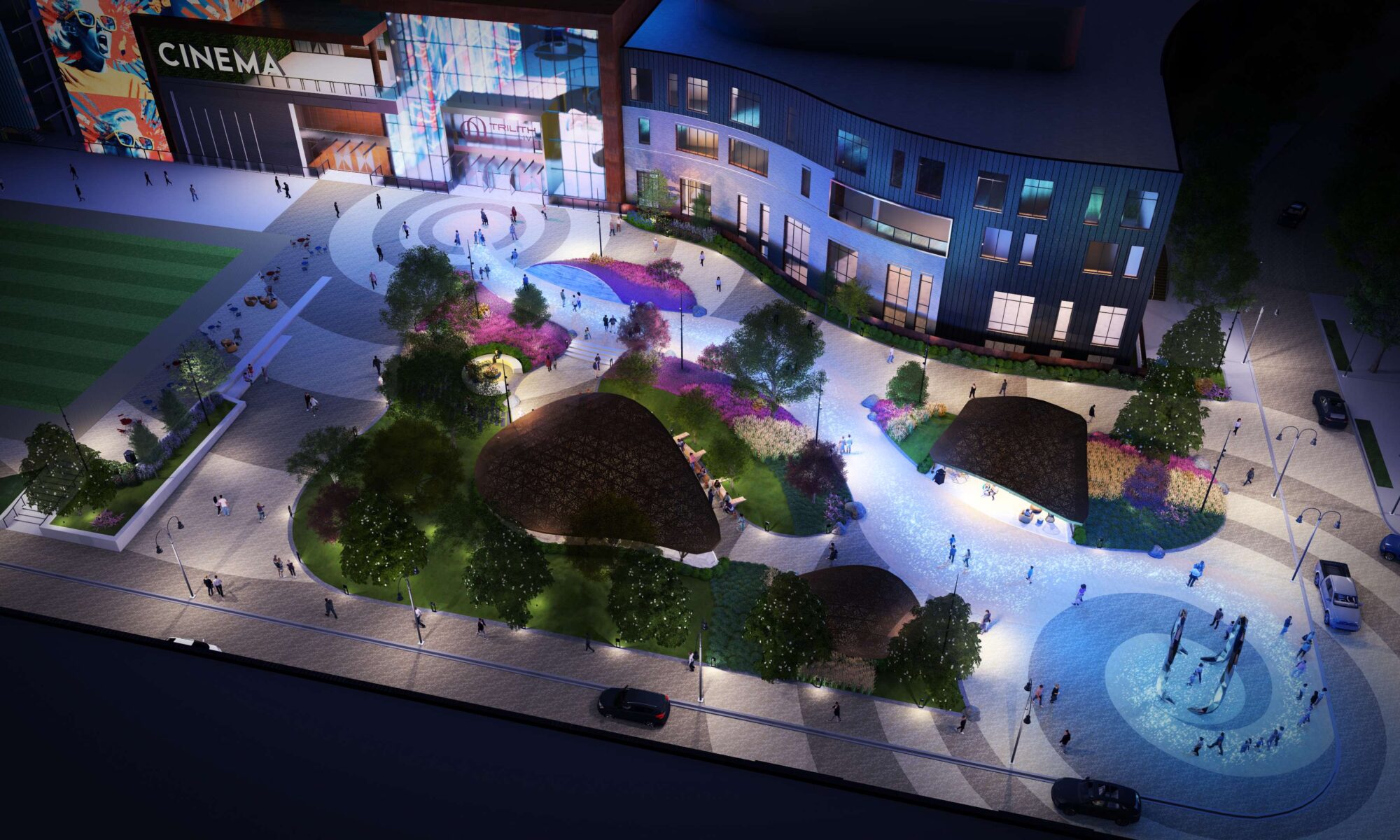
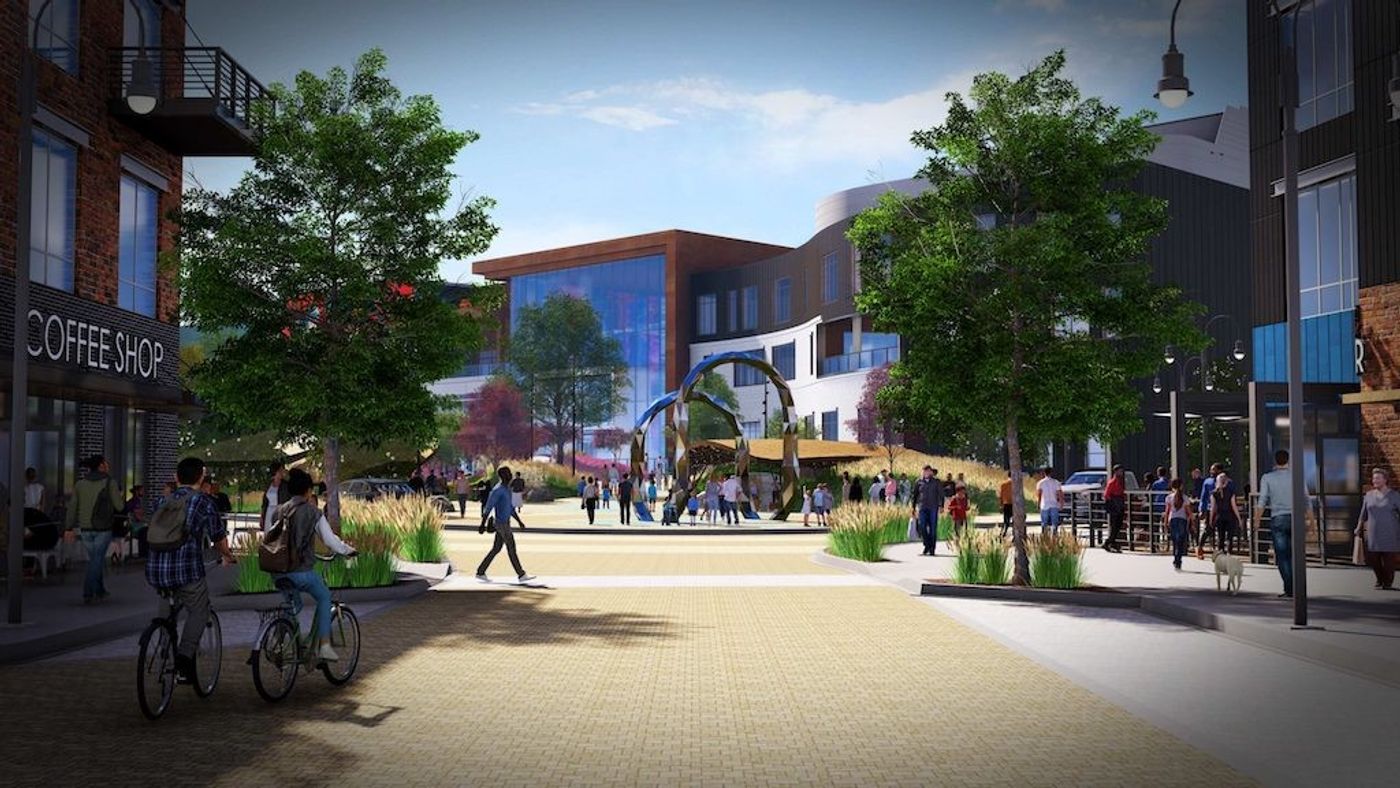
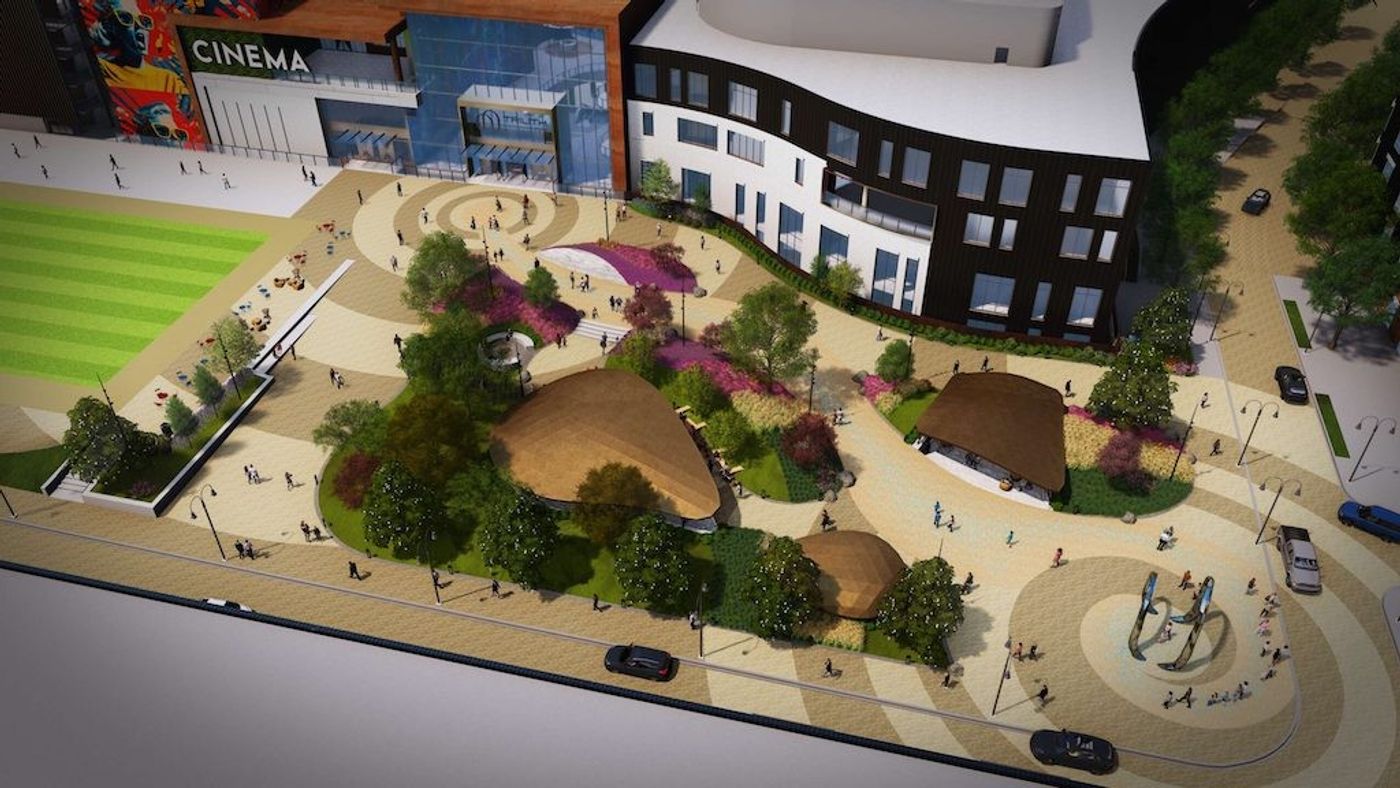
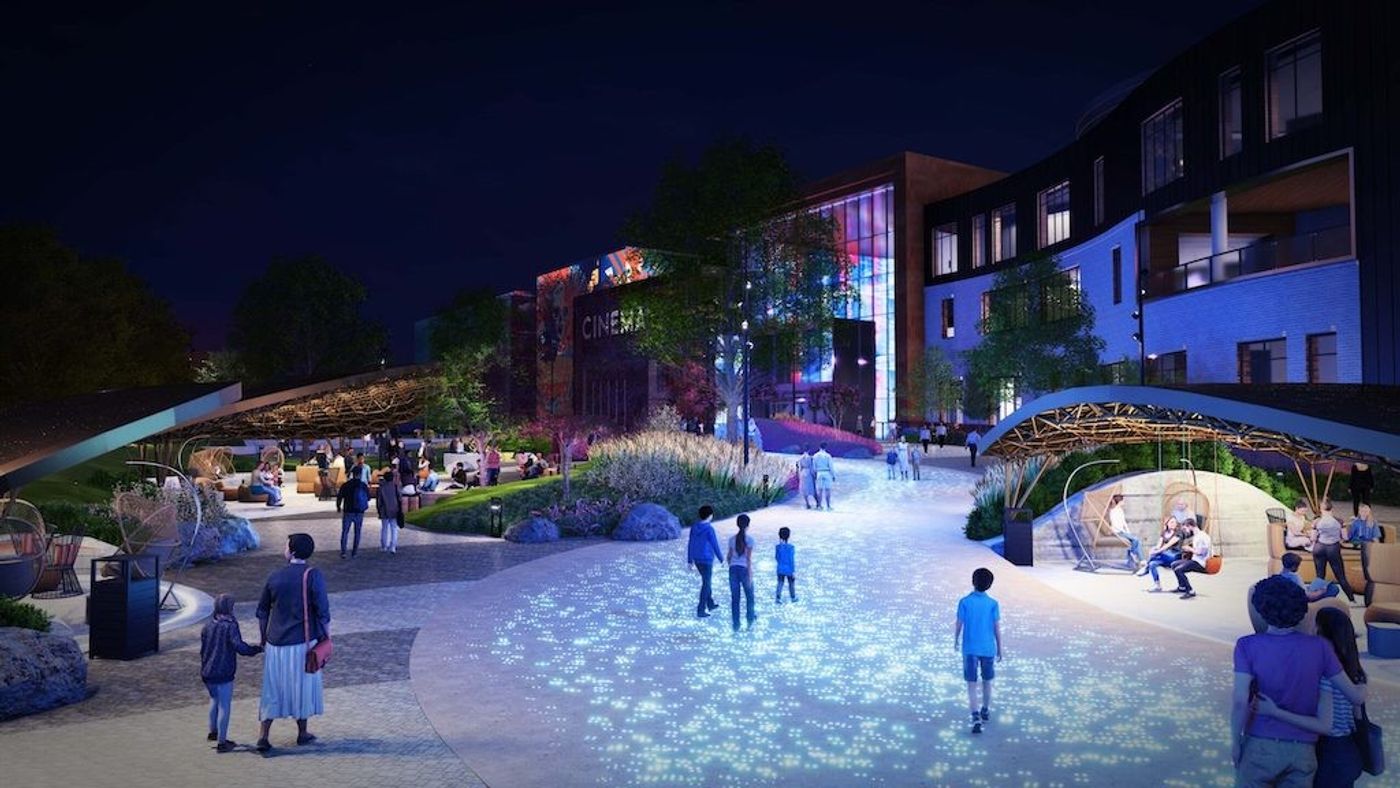
A recent project for Moffat and Storyland involved designing a vibrant landscape for the Trilith Live plaza, converting outdoor spaces for the performing arts centre, cinemas, and public areas into an urban park.

Features include glowing aggregate paving that lights the way at night, sculpted mounds that frame performances and provide casual seating, and flexible spaces adaptable for yoga, concerts, or festivals.

“What I love about the design is how the space changes from day to night with glow-in-the-dark aggregate, and then through the seasons too,” says Moffat. “We’ve identified plants that bloom at different times of the year, and even in winter—with the leaves gone—the trees still add interest with their structure.

“At the end of the day, we’re really the pre- and post-show of that facility—the performing arts, the live stage studios, and the nine-theater cinema. It’s about setting the stage for the excitement of what guests are about to experience, while also providing the flexibility to host different events, scale for various audiences, and share the stories of Trilith and the movies in new ways.”

Beyond the shows, it’s about the everyday experience; an urban park with design details that enhance the journey, offering various ways for people to connect with and enjoy the space.

Landscape architecture isn’t just about plants and paving; it’s about guiding guest experiences, integrating various disciplines, and shaping lasting environments. It combines creative vision with practical engineering, irrigation, and architecture to create an experience that connects people to the places around them.

Earlier this year, Storyland Studios announced that it is seeking attraction, retail, dining and entertainment developers and operators as part of phase one development of LIBERTYLAND, a family Retail, Dining and Entertainment District (RDE) located near Mount Rushmore and Rapid City, South Dakota.

Storyland Studios to create new pavilion for MSC Foundation’s Marine Conservation Center

Storyland Studios is collaborating with MSC Cruises and the MSC Foundation to design a new pavilion at the Marine Conservation Center on Ocean Cay in The Bahamas.

The MSC Foundation’s Marine Conservation Center opened in April andserves as a base for biologists, scientists, students, and island visitors. The facility includes interactive pavilions, a lecture hall, a Bio Lab, and a land-based coral nursery.

The Center is the base for the MSC Foundation’s Super Coral Reefs Programme and also offers educational opportunities for guests to explore the significance of the marine ecosystem and the vital need to conserve coral reefs.

“This is the continuation of our multigenerational commitment to ocean conservation, and we are glad to partner with Storyland Studios,” says Pierfrancesco Vago, chair, executive committee of the MSC Foundation.

“We warmly acknowledge Storyland Studios’ generosity in designing this signature pavilion for us. Their creativity and dedication will enhance the Marine Conservation Center’s role as an educational hub, inviting tens of thousands of Ocean Cay visitors each year to discover, learn, and engage with corals, while deepening their awareness of the urgency of coral conservation worldwide.”

“We are deeply aligned with the MSC Foundation’s vision to restore the balance between people and nature,” says Sean Featonby, director of business development at Storyland Studios.

“This isn’t just about building a facility; it’s about designing a beacon for ocean stewardship. Our goal is to create a space that emotionally connects every visitor to the urgency and beauty of marine conservation, empowering them to become advocates for our planet’s future.”

Design for good

The new pavilion will elevate the visitor experience and serve as an international focal point for the MSC Foundation’s mission to protect and nurture the blue planet. In developing the facility, Storyland will convert complex scientific work into captivating, accessible experiences that encourage guests, donors, and collaborators to engage in marine conservation.

Johnny Davis, senior creative director at Storyland Studios, says: “The MSC Foundation building at Ocean Cay MSC Marine Reserve represents our Destination Development philosophy.

“Here, at the vital intersection of Cause and Commerce, we are crafting more than a building – we are giving form to a promise. Every path, every vista, every moment is designed to weave a compelling narrative that moves guests from passive observers to active stewards of our oceans.

“This is where inspiration meets action, creating a living destination that embodies conservation and empowers a global community of ocean guardians.”

Marie Rayner, director of project development and sustainability lead at Storyland Studios, says: “This is the perfect fusion of purpose and creativity. Our team is passionate about leveraging design for good, ensuring every element is rooted in sustainability and tells the authentic story of this precious environment and the efforts to protect it.”

Together with the University of Miami and Nova Southeastern University, The MSC Foundation has been working to develop the Super Coral Reefs Programme since 2020. Recently, this has focused on hardy species of coral at Ocean Cay and builds on MSC Cruises’ multi-year restoration of Ocean Cay’s marine ecosystem. The opening of the new Marine Conservation Center marks the acceleration of the Foundation’s efforts.


Article originally published on blooloop.com

TITANIC: The Artifact Exhibition lands in Toronto with a fresh identity & immersive energy

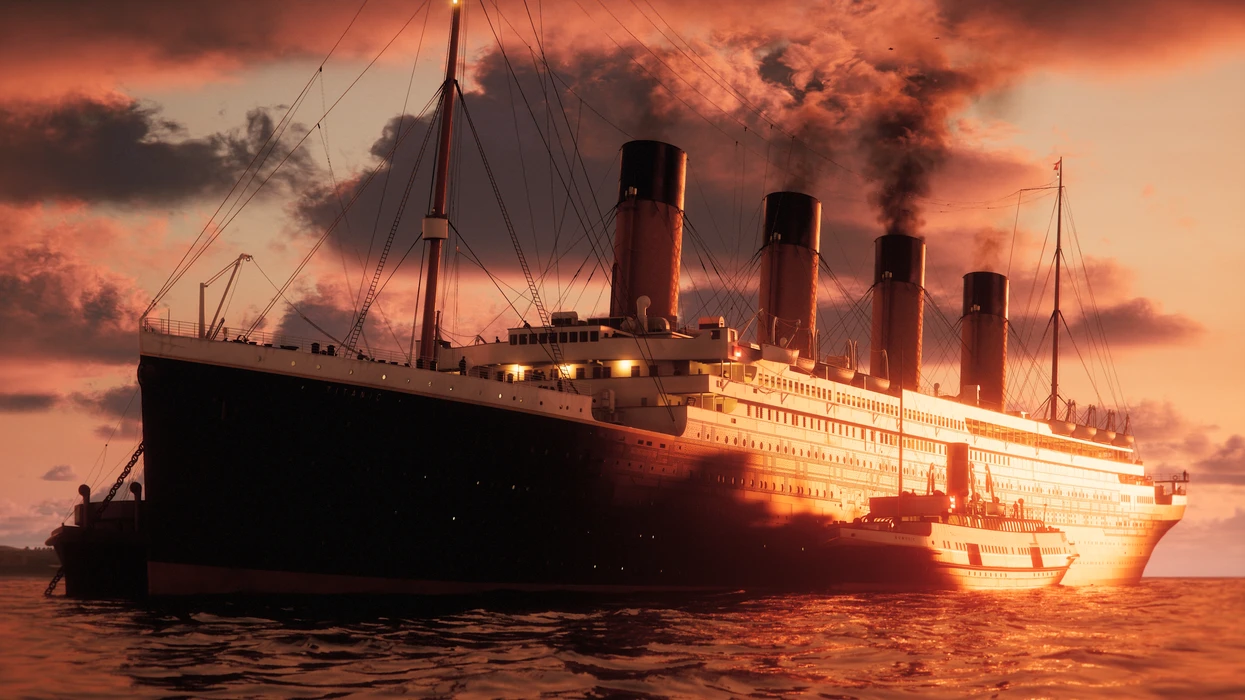
The latest iteration of TITANIC: The Artifact Exhibition is now open in Toronto. This version goes beyond a traditional exhibition format and invites visitors to explore, interact, and experience in a whole new way.

The exhibition is presented by Experiential Media Group (E/M Group), an industry leader in creating travelling exhibitions and experiences,and RMS Titanic, Inc. (RMST), the salvor in possession and steward of the Titanic wreck site.

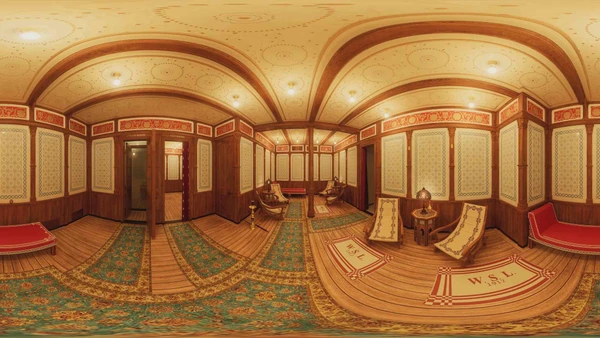
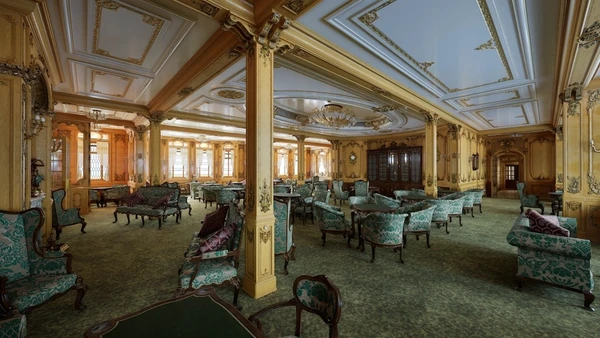
The Toronto run also marks the launch of a new visual identity created by the team at global experience design and strategy firm Storyland Studios. This honours Titanic’s history while incorporating an updated, imaginative approach, with a modernised wordmark and updated design system inspired by the ship’s riveted hull and signature Art Nouveau details.

Ben Thompson, chief strategy officer at Storyland Studios and board advisor and strategic partnerships lead for RMS Titanic Inc., says:

“We kept what made the original design iconic while giving it the strength and clarity to travel globally.”

“This is just the beginning.”

Building personal connections

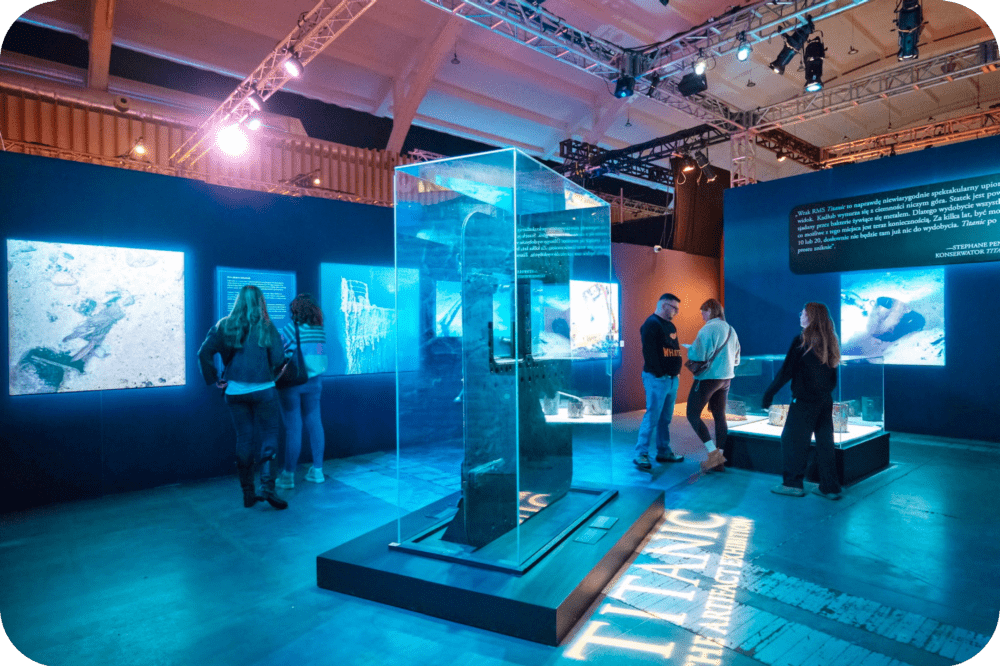
The exhibition, which includes hundreds of authentic artefacts recovered from the RMS Titanic wrecksite, has been visited by more than 36 million people worldwide.

Tomasina Ray, president and director of collections at RMS Titanic Inc., says: “While the story of Titanic resonates around the world, Toronto holds a unique place in its legacy. We’re excited to bring this powerful history to a new generation—through real artifacts, personal stories, and immersive moments that honour Toronto’s place in Titanic’s voyage.”

Canada has an understated but significant role in Titanic’s story. At least six survivors went on to settle in Toronto, and the ship carried dozens of Canadian passengers. These connections contribute to the exhibition’s unique local feel. Elements such as boarding passes linked to real passenger stories and interpretive layers that spotlight Toronto’s link to the voyage invite a personal response to the tragedy.

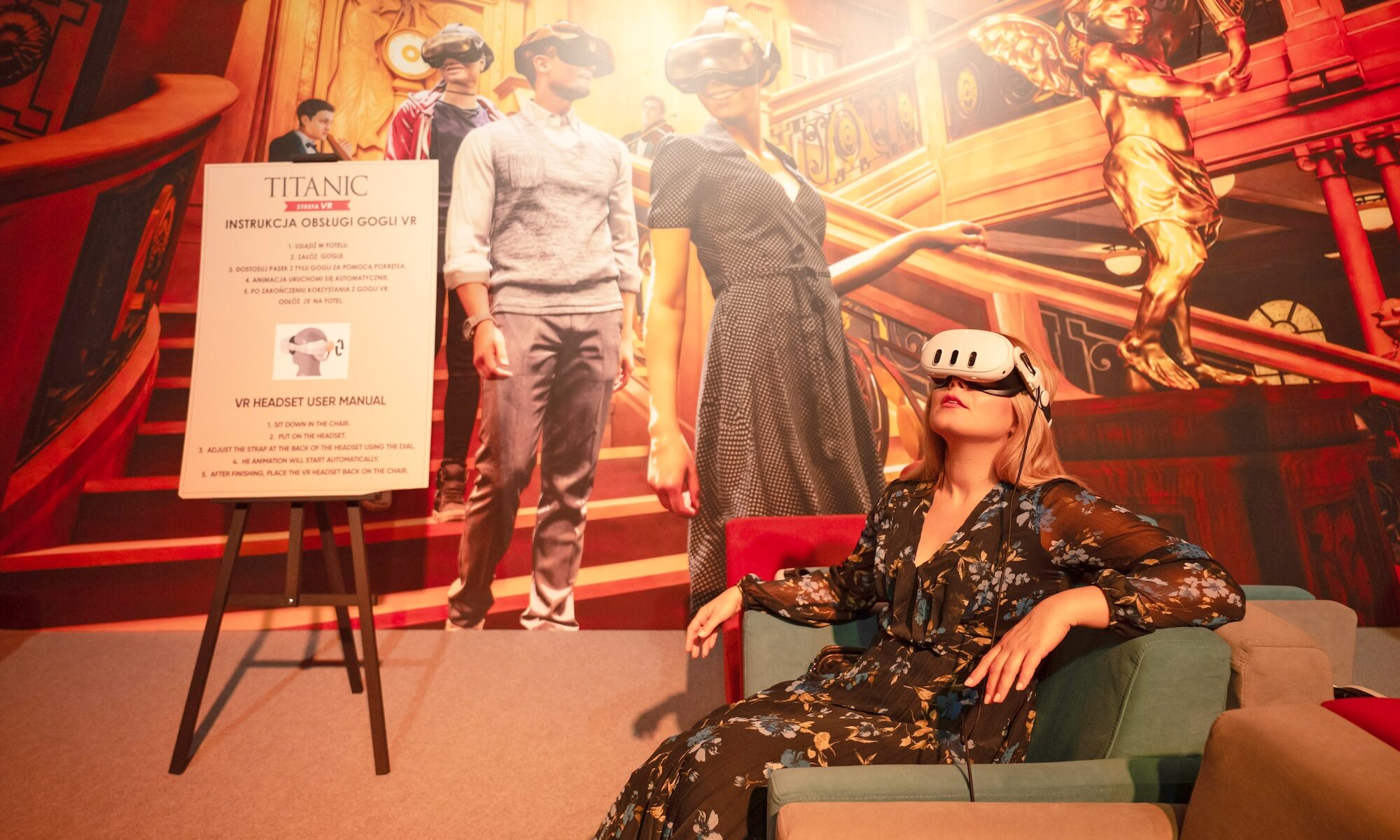
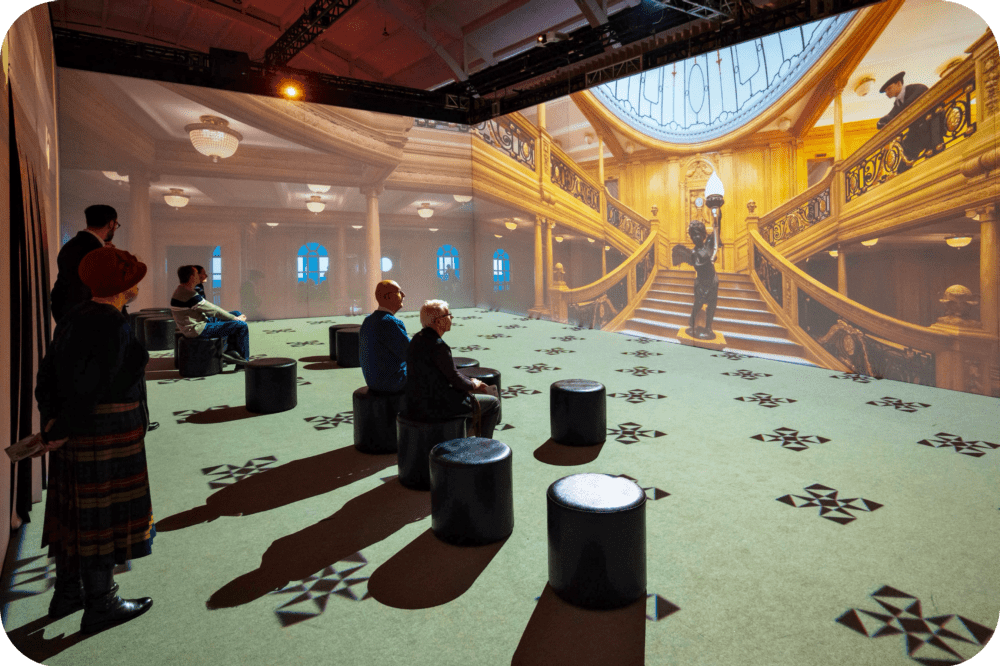
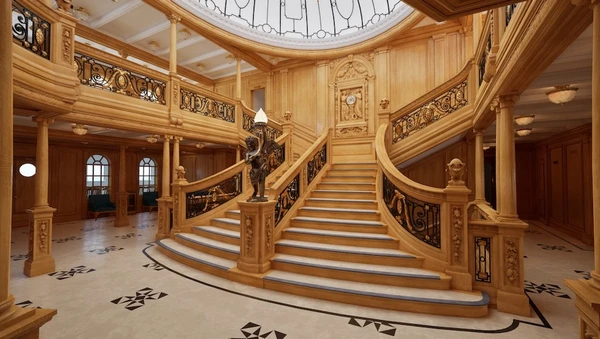
The Toronto venue, a former aircraft hangar, provided a generous space for the team to incorporate immersive components. Visitors can walk a full-scale replica of the Grand Staircase, take a virtual dive to the seabed in VR pods, wander along a recreated promenade deck, complete with breeze effects, and explore a new finale focused on ocean conservation and sustainability.

To protect the fragile exhibits temporary gallery walls were installed. A bespoke HVAC system manages the temperature and humidity of the Toronto summer.

Toronto marks the first North American venue in a wider international expansion. Future locations are already in development across Latin America and the Middle East. Each offers an opportunity to reconsider the story of Titanic through a local perspective, establishing emotional connections that go beyond the ship itself.

“This story has travelled the world, but wherever it goes next, it will absolutely feel personal,” says Thompson.

Through immersive design, narratives rooted in the local community, and a revitalised sense of purpose, TITANIC: The Artifact Exhibition is setting a new course that honours the past while engaging audiences in fresh and impactful ways.

TITANIC: The Artifact Exhibition recently opened in Barcelona. Earlier in the year, the experience returned to Bratislava, Slovakia, having shown in the city in 2015.


Article originally published on blooloop.com

RMS Titanic Inc. Sets Sail into New Era of Global Expansion with Storyland Studios’ Ben Thompson at the Helm

An expanded partnership sets course for global expansion of the Titanic brand through immersive experiences and strategic collaborations.

Atlanta, GA — June 17, 2025 — RMS Titanic Inc. (RMST), in partnership with Ben Thompson of Storyland Studios, is charting a bold new course for the Titanic brand with a renewed strategic focus on global development, partnership-driven growth, and experiential innovation. As part of this evolution, Thompson, Chief Strategy Officer at Storyland Studios, along with his team, will now lead global brand expansion for Titanic.

This development marks the culmination of a year-long collaboration between RMST and Storyland Studios, aligning creative vision with long-term growth strategy. Together, they’re ushering in a new era for the iconic Titanic brand—one defined by fresh energy, innovative partnerships, and an ambitious roadmap for the future.

E/M Group, the experiential company behind bringing Titanic to life through touring exhibitions, permanent venues, and digital experiences, continues to drive the vision for expanding the brand worldwide

Kris Soder, CEO of E/M Group and sole director of RMS Titanic Inc., added, “We believe strongly in the power of collaboration and imagination to carry Titanic’s legacy forward. The next chapter will expand our reach while honoring the stories and history that continue to resonate with millions worldwide.”

Ben Thompson brings more than 25 years of success across theme parks, immersive experiences, touring exhibitions, hospitality, consumer goods, retail, and brand experiences. At Storyland Studios, he’s taken the business from a mainly US-focused design and fabrication firm into a global experience design practice, helping IP owners such as LEGOLAND®, Hasbro, M&M’s and Sports Illustrated develop powerful experiential destinations across North America, the Middle East, Europe, and Asia.

Now, he’ll advise on RMS Titanic Inc.’s global experiential strategy by identifying the right formats, partners, and real estate opportunities to bring Titanic’s legacy to audiences across continents.

“I’m incredibly excited that Kris and the team at RMS Titanic are continuing to place their trust in Storyland as a strategic partner as we set out on this new adventure together,” said Thompson. “TITANIC: The Artifact Exhibition is by most accounts the most visited touring exhibition of all time, with over 36,000,000 visitors and counting. And yet we see so many more opportunities for growth, both in developed markets like the USA and Europe, and especially in the transforming experiential destinations in Latin America, the Middle East, and Asia Pacific. I couldn’t be more thrilled to have been given this opportunity to lead the strategic development of this iconic property.”

The new strategy is rooted in partnerships across North America, Latin America, Europe, the Middle East, Oceania, and Asia. From cultural institutions and museums to licensing partners and real estate developers, RMST and Storyland Studios are actively seeking collaborators ready to help bring the next generation of Titanic experiences to life.

Opportunities span multiple formats and business models, from museum exhibitions and themed attractions to immersive installations. With the right partners, RMST and Storyland Studios are confident that the next decade will be the most dynamic yet for Titanic. The brand is poised to expand its footprint and deepen its emotional impact on global audiences through thoughtfully executed, highly immersive experiences.

To explore partnership opportunities or learn more about Titanic’s global expansion plans, please contact: bthompson@emgroup.com

# # #

For press inquiries, please contact:

Wendy Perez
E/M Group

WPerez@emgroup.com


About RMS Titanic Inc.

RMS Titanic Inc.’s mission is to preserve the legacy of Titanic’s maiden voyage and subsequent sinking. It honors the memory of her passengers and crew through conserving and displaying recovered artifacts, presenting comprehensive educational programs, mounting innovative exhibitions, and promoting research and recovery initiatives, including wrecksite imaging and analysis. RMST was granted salvor-in-possession rights to the wreck of Titanic and is the only company permitted by law to recover artifacts from the wrecksite. RMST has recovered and conserved more than 5,500 artifacts since 1987 and is an affiliate of E/M Group.

About E/M Group 

Experiential Media Group, LLC (E/M Group), located in Atlanta, is a world leader in the development and display of exhibitions that educate, entertain, and inspire audiences of all ages. The Company’s exhibitions, including BODIES…The Exhibition and TITANIC: The Artifact Exhibition, captivate audiences through compelling stories, authentic artifacts, and amazing specimens. Exhibitions are presented in museums, exhibition centers, and other entertainment venues. Additional information about E/M Group and exhibition locations is available at EMGroup.com.

About Storyland Studios
Storyland Studios is a full-service experience design firm with offices in the U.S. and Europe. We imagine, design and create immersive experiences and environments that lift the Spirit. Storyland Studios team Members and Executive Leadership include alumni from The Walt Disney Company, Walt Disney Imagineering, Pixar Animation Studios, Universal Studios, and LEGOLAND®—all passionate about creating immersive storytelling experience that shape culture and connect with people on an emotional level. www.storylandstudios.com

Lasting Impact: Parques Reunidos

We met with Javier Luengo Oroz, Head of Environmental Sustainability at Parques Reunidos, to explore how collaboration and an integrated strategy have helped maximise their sustainability impact.

Photo Credit: Parques Reunidos


Marie Rayner: Tell me a little bit about Parques Reunidos and your role.

Javier Luengo Oroz: Parques Reunidos is an international operator of leisure parks. In 2024, Parques Reunidos managed a portfolio of more than 50 parks in 11 countries, accounting to approximately 20 million visitors.

Our headquarters are in Madrid, so all applicable EU and Spanish legislation for large companies is rolled out across all parks, as well as adapting to local legislation in each country.


MR: When did you start to get involved in sustainability?

JLO: I have an academic background in environmental sustainability — first studying Industrial Engineering, and then going on to gain a Master’s Degree from the University of Edinburgh, with a focus on environmental sustainability and research on my master thesis.

I worked as an environmental consultant before joining Parques Reunidos four years ago.


MR: What was the starting point for Parques Reunidos’ sustainability journey?

JLO: Before 2020, parks implemented their own sustainability-related actions, but without an overarching Group strategy. This changed in 2020, when we created the first sustainability report (corresponding to 2019 sustainability performance) and the first environment-related targets to be included in the overall company strategy. We started with energy, water, and waste targets, and we continued with our Science Based Targets — validated GHG emissions targets that were validated in 2022.

From a governance point of view, 2020 was the first year that the company had a Chief Sustainability Officer. This was a key milestone because it brings sustainability (including environment, social, and governance issues) to the table, to the executive committee, so that it becomes part of the company decision-making process and an important aspect of company strategy.


MR: And how do you see these original objectives have evolved?

JLO: The original environmental target ambitions were:

  • Energy – reducing energy use and its associated carbon emissions
  • Water – reducing water consumption, especially drinking water in parks located in high-stress areas
  • Waste – reducing waste generation and increasing the recycling share to reduce waste sent directly to landfill

From these three original objectives, we developed our decarbonisation targets for Scope 1 and 2 and Scope 3. These targets were validated by the Science Based Targets initiative, making Parques Reunidos the first international regional leisure park operator to have validated science-based targets — this is something we’re very proud of. It’s a challenging process to go through, but having your targets and associated action plan validated gives you the directions to follow — you then need to walk that path.

The evolution of these targets is going to include increased supply chain engagement objectives (relating to Scope 3), and we foresee including nature targets related to the TNFD framework recommendations.

Photo Credit: Parques Reunidos


MR: With a diverse portfolio of parks and so many different locations, how do you engage your employees in working toward these goals? 

JLO: The key is understanding that every single person in the company has a part to play on this. Our environmental sustainability strategy is not something that just comes from the sustainability department; it’s embedded in the overall strategy, and everyone has a part to play. It’s a shared responsibility.

We have different owners for different actions, making sure that environmental sustainability isn’t seen as a “nice to have,” but an integral part of the company. The sustainability department coordinates and manages, but everyone does their own part.

It’s very important to share the results. Our sustainability report is not just an exercise of collating the data; we share it with our colleagues. They see this 200-page document, and we can say look, here is the impact of your contribution. We want our colleagues to really see the effects of their actions.

One of the projects that felt very rewarding was the energy efficiency program we started for all parks in 2021. I’ve really enjoyed this project, because thanks to the efforts from the colleagues of the parks upgrading the equipment — and the engineering team from our head office — we see actual improvements by emission reductions. We see year on year that, thanks to these investments, there has been a data-based impact. It was a collaboration from many different people within the company and a great example of the synergies found when people from different backgrounds work as a team.


MR: Is there anything that you look back on now and wish you had done differently?

JLO: In the first years, we spent a quite a bit of time improving data reporting to make decisions. Although this was necessary — and having this baseline information is incredibly important — we might have spent more time than we needed to get 100% accurate figures.

Looking back, we could have spent a little less time on reporting and modelling, and more time on specific actions. We could have had a 95% accurate reporting figure and shifted some efforts into action, or made decisions a little quicker.

Also, sometimes there are measures we KNOW will reduce emissions, but sometimes because those reductions can’t be tracked easily (e.g., energy savings of equipment without meters), you spend more time than needed modelling the results. For some actions you know the theory but not all the data — and in some cases it should be enough to know the theory to move ahead.

The timeline for our decarbonisation targets — and for most companies — is 2030. There’s still much to do, and the timeframe is getting shorter and shorter for everyone. We are well on track, but without consistent action and improvement, we’ll be sprinting at the end to try and reach our goals.

Photo Credit: Parques Reunidos


MR: What developments and trends are you seeing in the industry?

JLO: It’s really interesting to see the transition from a carbon emissions focus to a wider and comprehensive nature-based approach. It’s not just CO2 emissions; it’s everything related to climate change, biodiversity, and natural resources. Especially for water, I really see that this will become very important sooner than we think. In a few years, this will be a major issue for the whole world, not just in the locations that already feel the water shortages and conservation needs. It will have significant impact in our industry, as water withdrawal restrictions could affect the opening of parks, especially water parks.

Waste management is evolving in the right direction in our industry, with measures such as eliminating single-use items or minimising food waste becoming the standard in the industry. This started in music festivals and has now been implemented in many parks. Consumer trends are evolving, and we need to adapt to the market demands. Luckily, people are becoming more environmentally conscious and the products and services offered to them need to keep up with this mentality shift.


MR: What is your main environmental sustainability focus when designing for new developments?

JLO: With respect to hotels located in the park facilities, we aim to make the operation of new accommodation facilities fossil fuel-free, so they run only on renewable electricity (although it is not always possible). Some of our newest lodging areas use electrical heat pumps instead of natural gas, as it wouldn’t make sense to design them with natural gas heating systems, only to retrofit them in the future. We are currently retrofitting older lodging areas to bring them to similar energy efficiency standards as our new areas.

We strive for having all attractions powered by electricity as well. This is the case for most roller coasters and theme park rides, but it can become a challenge for some water attractions that require natural gas heating for the water — in these cases, we try to make them as energy efficient as possible.

In short, we aim to minimise the fossil fuel consumption in our parks and to purchase electricity from renewable sources; 2024 was the fourth year in a row that we purchased 100% renewable electricity.


MR: How do you compare the initial investment costs of energy efficiency measures with the operational savings they provide over time?

JLO: We are always seeking to be as energy efficient as possible in our systems and facilities. If something’s electrical, we make sure it consumes as little electricity as possible while doing the job (like LED bulbs; they have been around for years but are still a good example). For equipment running on fossil fuels (e.g., a natural gas boiler), we aim to replace them with electrical alternatives. The aim is to always reduce fossil fuel consumption to a minimum and to ensure that all electricity used comes from renewable sources.

That said, the payback periods of simple energy efficiency measures (e.g., LED bulbs implementation) and electrification of fossil fuel equipment (e.g., natural gas boilers) are different. The electrification measures generally have a longer payback period, so this needs commitment from the companies. We need to accept that environmental sustainability is not free and that without investment, companies will not reach their targets. In some cases, it will pay off quickly. In other cases, it might take longer. And there may even be investment that, from a monetary point of view, will never pay off!


MR: What do you think will become important in the future?

JLO: We recently did a study to assess climate-related risks and opportunities affecting our parks for future climate scenarios. Understanding how the world is changing due to climate change, and how we need to adapt to these changes, is critical. For example, heat waves are going to have a big impact for some of our locations in all climate scenarios, so we need to consider this when looking at new developments and adaptation measures. This kind of strategic thinking — about climate change and the risks it could pose — is becoming more important, and it is common to see it embedded into the strategy of companies leading the way in the environmental sustainability journey.


MR: What has been your biggest achievement?

JLO: The biggest achievement for us was to make Parques Reunidos the first international operator of regional leisure parks to have validated science-based targets. We defined the goals, but being able to define how we would reach these goals — developing our decarbonisation roadmap — was the actual achievement. We were the first park operator amongst our similar-sized competitors to do this.

So now we have the targets, but we need to get there. Let’s talk in five years; the biggest achievement WILL be achieving these targets by 2030!


MR: What interests and excites you most about working in this field?

JLO: Every year is different because of the changing landscape of environmental sustainability. In my first year we did a lot of new things at Parques Reunidos, things that we hadn’t done before. This happened again on the second year, on the third year, on the fourth year… There are new ideas and new steps to follow every year, so we’re always learning. The landscape’s always changing and this is what makes it exciting.

I’m very conscious about the climate emergency that we are already living and that we need to act urgently — we are late already. I work for Parques Reunidos and, in addition to our guests, I like to say that my client is the planet. Mitigating climate change and preserving the biodiversity and natural resources from Earth is a shared benefit. For me, this is more than “a job” — it is a way of amplifying my actions and contributing to the preservation of our planet.

Think of it like this: The carbon footprint from the world average person is approximately five tonnes per year, which is around 300 tonnes through their whole life. Parques Reunidos’ carbon footprint is approximately 300,000 tonnes per year. If one year we manage to reduce Parques Reunidos’ footprint by just 10% (30,000 tonnes), it’s more than one person could reduce by himself in 100 lives.

Research has shown that when environmental sustainability is included in the company strategy, it has a positive business impact and gives a competitive advantage. If other companies in the industry do the same as we do because they are influenced by us, this is great! This is all about encouraging everyone to become more environmentally responsible, so that together we can have the biggest impact possible. We will all benefit from these efforts because in the end, we all share the same planet.

Photo Credit: Parques Reunidos


About Parques Reunidos

Talking about Parques Reunidos means referring to one of the leading global operators of regional leisure parks and one of the three truly global leisure park operators.

After 50 years in the sector, they now operate a well-diversified portfolio of over 50 leisure centers (theme parks, zoos and marine parks, water parks, indoor entertainment centers and other attractions), spread out over various countries across Europe, North America and Australia. Their asset diversity has placed them as the second-largest leisure park operator in Europe and the eighth-largest leisure park operator worldwide.

They have a highly experienced and committed management team with a proven track record across different geographical areas and economic cycles.


About Storyland Studios

Storyland Studios is a full-service experience design firm with offices in the US and Europe. We imagine, design, and create immersive experiences and environments that lift the Spirit. Storyland Studios team Members and Executive Leadership include alumni from The Walt Disney Company, Walt Disney lmagineering, Pixar Animation Studios, Universal Studios, and LEGOLAND® – all passionate about creating immersive storytelling experiences that shape culture and connect with people on an emotional level. storylandstudios.com


Storyland Studios’ Mel McGowan joins board of Congress for the New Urbanism

Storyland Studios, a global experience design and strategy firm, has announced that its co-founder and chief creative officer Mel McGowan, AICP, DBIA, LEED AP, has been appointed to Congress for the New Urbanism (CNU)’s Board of Directors.

CNU is a prominent group of architects, urban designers, developers, and policymakers working together to shape policy at local and national levels. The organisation contends that contemporary city planning restricts housing supply and affordability, adversely affecting the environment.

McGowan has been a long-time attendee at CNU’s Annual Congress, where he has also appeared as a speaker.

“I’m thankful for the opportunity to give back to this community and its leadership.”

McGowan combines his ten years of experience at the Walt Disney Company with a background in film and design to develop a multidisciplinary approach to the built environment.

“This multidisciplinary approach is the only way to really make things happen,” McGowan says. “It’s not just about an architect with a better design or better vision. You’ve got to be about economics, politics, design, and vision casting. And that models the approach Storyland is founded on, as well.

“It’s important to establish and bring the power of storytelling to the table. Storytelling is the foundation — that shared reality and collective vision of what the future should be.”

Besides his role at CNU, McGowan serves on the Western Board of Directors for the Themed Entertainment Association (TEA) and hosts the TEA Masters. He authored Design Intervention, hosts The Themed Attraction Podcast, and teaches as an adjunct professor at CBU’s College of Architecture, Visual Arts & Design.

OC Metro Magazine has recognised him as a top 25 influencer, while he was featured on the blooloop 50 Theme Park Influencer List in 2021 and the Immersive Influencer List in 2025.

3D storytelling

Storyland is bringing its 3D storytelling approach to various global projects, from South Dakota to Saudi Arabia. McGowan’s team has designed and master-planned several major, world-class city projects.

This includes the Town of Trilith, a live-work-play development connected to Georgia’s iconic Trilith Studios film lot; Trinity, Florida, a sports city anticipated to be the United States’ largest sports entertainment destination; and Kebulania, a first-of-its-kind film city in Lagos designed for the flourishing Nigerian movie industry.

Working alongside developer Darren Sloniger and Marquette Development, Storyland has also played a role in Edgehill Commons, a revitalisation project in downtown Nashville; Park Fulton, a redevelopment initiative in Chicago; and Catalyst Houston, a high-rise project with views of Minute Maid Stadium in Houston, Texas.

Reforms in urban development

CNU promotes nationwide reforms in urban development. New urbanism emphasises human-scale design in neighborhoods, towns, and cities, fostering community and family growth, reducing environmental risks, and enhancing overall quality of life. For over thirty years, CNU has been at the forefront, guiding advocates and practitioners who embrace the new urbanist philosophy.

“New urbanism was formed around the idea of social, economic, spiritual, and sustainable principles,” McGowan says. “It’s about reconnecting the brokenness: restoring connection with the land and with neighbors. Rather than the suburban tendency to isolate and separate families as far apart from each other as possible, new urbanism is about creating gathering places, returning to what we forgot in the rush toward suburbanism.”

CNU’s primary goals include reforming outdated city-building regulations that impose red tape on developers and communities, increasing access to affordable urban housing, and addressing climate change through strategic urban planning, development, and architectural design.

Earlier this year, Storyland Studios announced that it is seeking attraction, retail, dining and entertainment developers and operators as part of phase one development of LIBERTYLAND, afamily Retail, Dining and Entertainment District (RDE) located near Mount Rushmore and Rapid City, South Dakota.


Article originally published on blooloop.com

Mel McGowan Interview: Designing a New Restaurant for Knott’s Berry Farm

Knott’s Berry Farm | Prop Shop Pizzeria

Storyland Studios partnered with Knott’s Berry Farm during the COVID-19 pandemic to help revitalize key areas of the park. While many California theme parks remained closed, Knott’s leveraged its rich heritage and strong community connections to keep its doors open.

We were honored to design and master plan the Boardwalk’s new Prop Shop Pizzeria, An Italian Kitchen, transforming the former Hollywood Hits walk-up counter into a fully themed dining experience. The restaurant’s name pays tribute to its original use as a prop shop for the Walter Knott Theater.

This project was a collaborative effort with Cedar Fair executives Matt Ouimet and Raffi Kaprelyan, legendary Imagineer Rolly Crump, and former Disneyland VP Jon Storbeck.

Read the full story in our work section.

Hear what our Chief Creative Officer, Mel McGowan, has to say about the project: