STORYLAND STUDIOS RECEIVES TEA THEA AWARD FOR POVERTY ENCOUNTER

FOR IMMEDIATE RELEASE
Storyland Studios, an experience design firm that helps brands connect their stories in three dimensions, has received the Themed Entertainment Association’s (TEA) Thea Award for Outstanding Achievement on a Limited Budget for Poverty Encounter, a permanent exhibit at Children’s Hunger Fund (CHF), a non-profit in Los Angeles, California. The annual award brings recognition to achievement, talent and personal excellence within the themed entertainment industry.

Credited with Poverty Encounter’s concept development, design development and schematic design, Storyland worked hand-in-hand with the CHF team to create a thought-provoking experience through realistic settings and an emotionally captivating storyline that would carry throughout the entire exhibit.

“We were humbled at the opportunity to help Children’s Hunger Fund craft their story,” said Mel McGowan, Chief Creative Officer at Storyland Studios, “to develop a place that not only educates and transports guests to a place they’ve never been, but transforms visitors’ hearts through the experience.”  
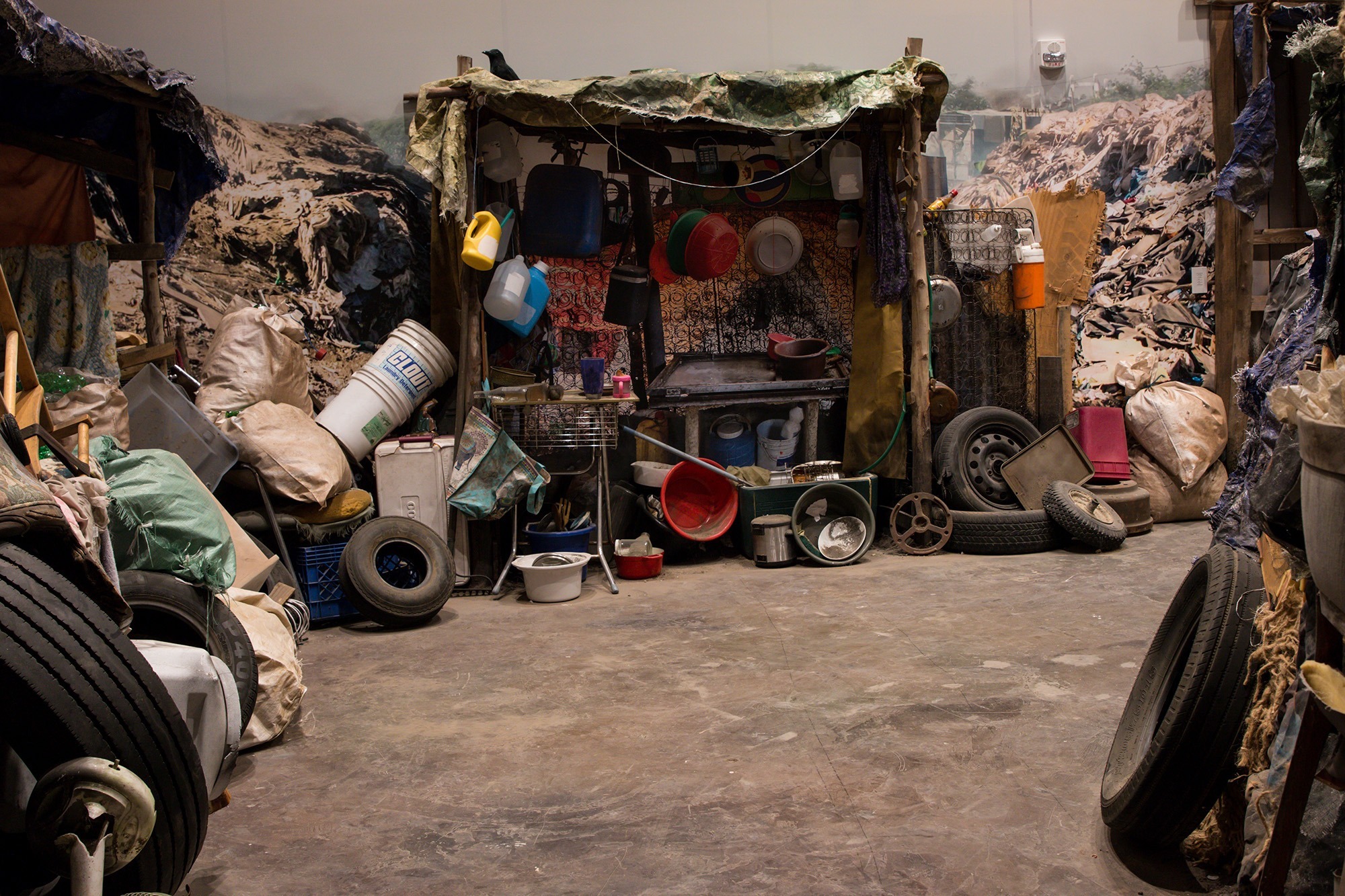
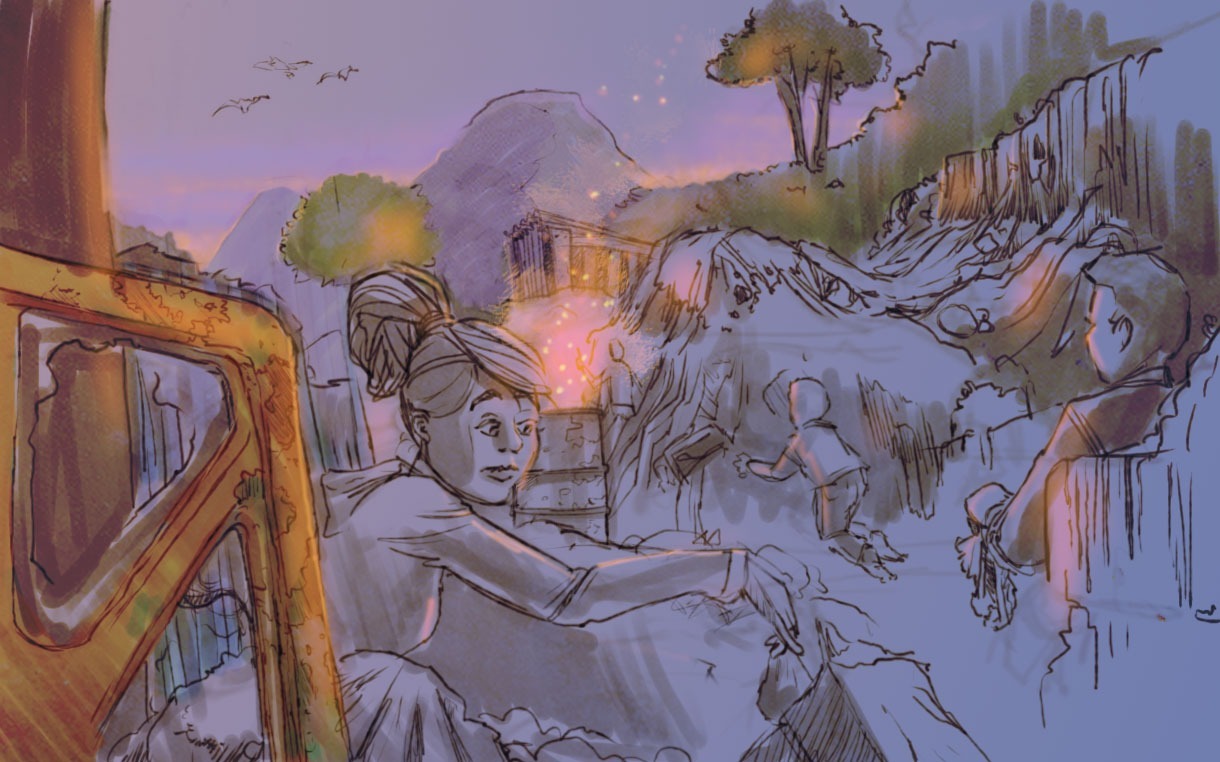
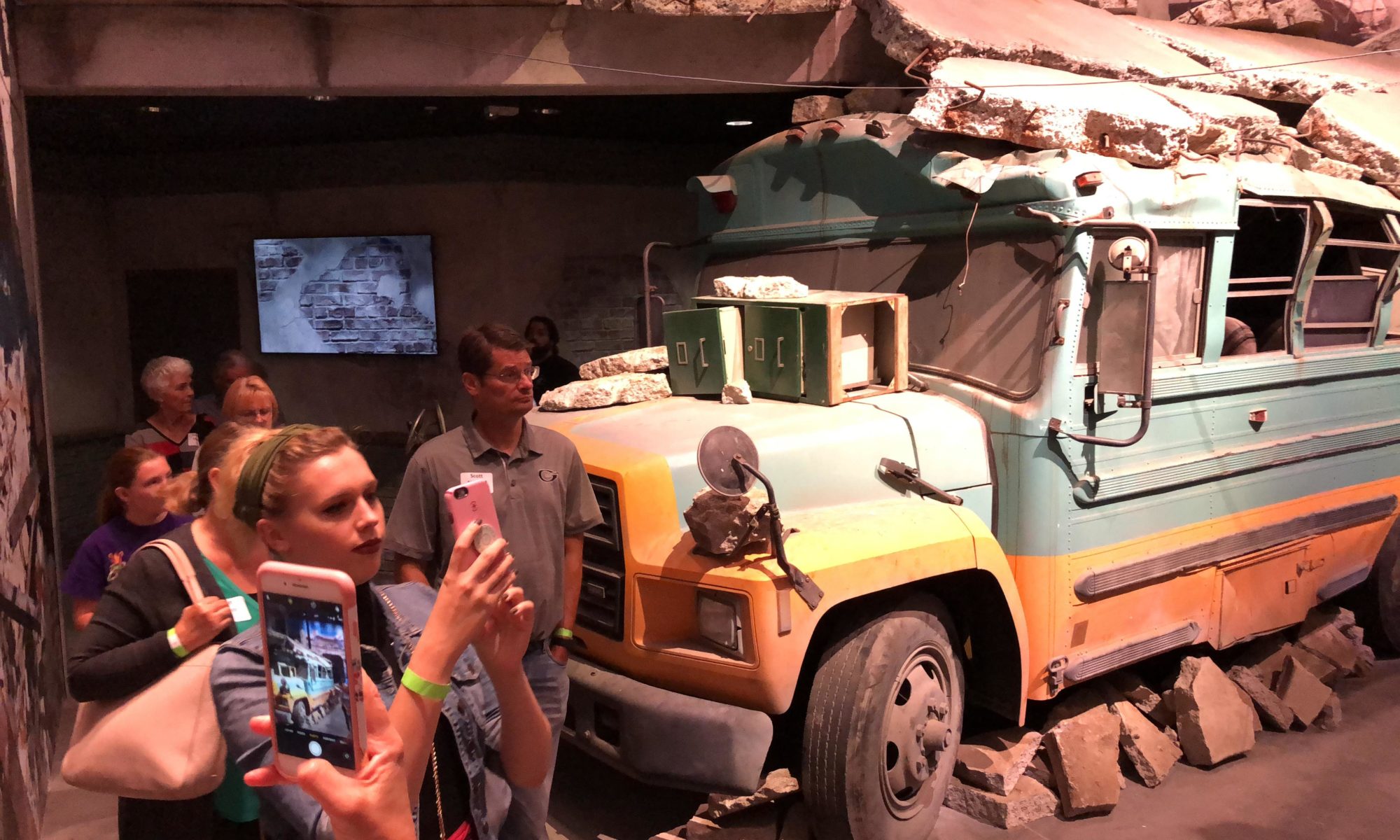
Poverty Encounter is a 90-minute interactive, educational exhibit that transports guests from the comforts of home to witness the reality of extreme poverty as experienced by children around the world. Guests step into a garbage dump village in Central America, a Caribbean town struck by natural disaster, a labor camp in Asia and an underground children’s colony in Eastern Europe; all modeled after real places around the world where impoverished children suffer. 

Storyland’s “Spatial StorytellingSM” team  worked with Children’s Hunger Fund to develop an experiential sequence of encounters around the key objectives that the charity felt were important for telling its story well. 
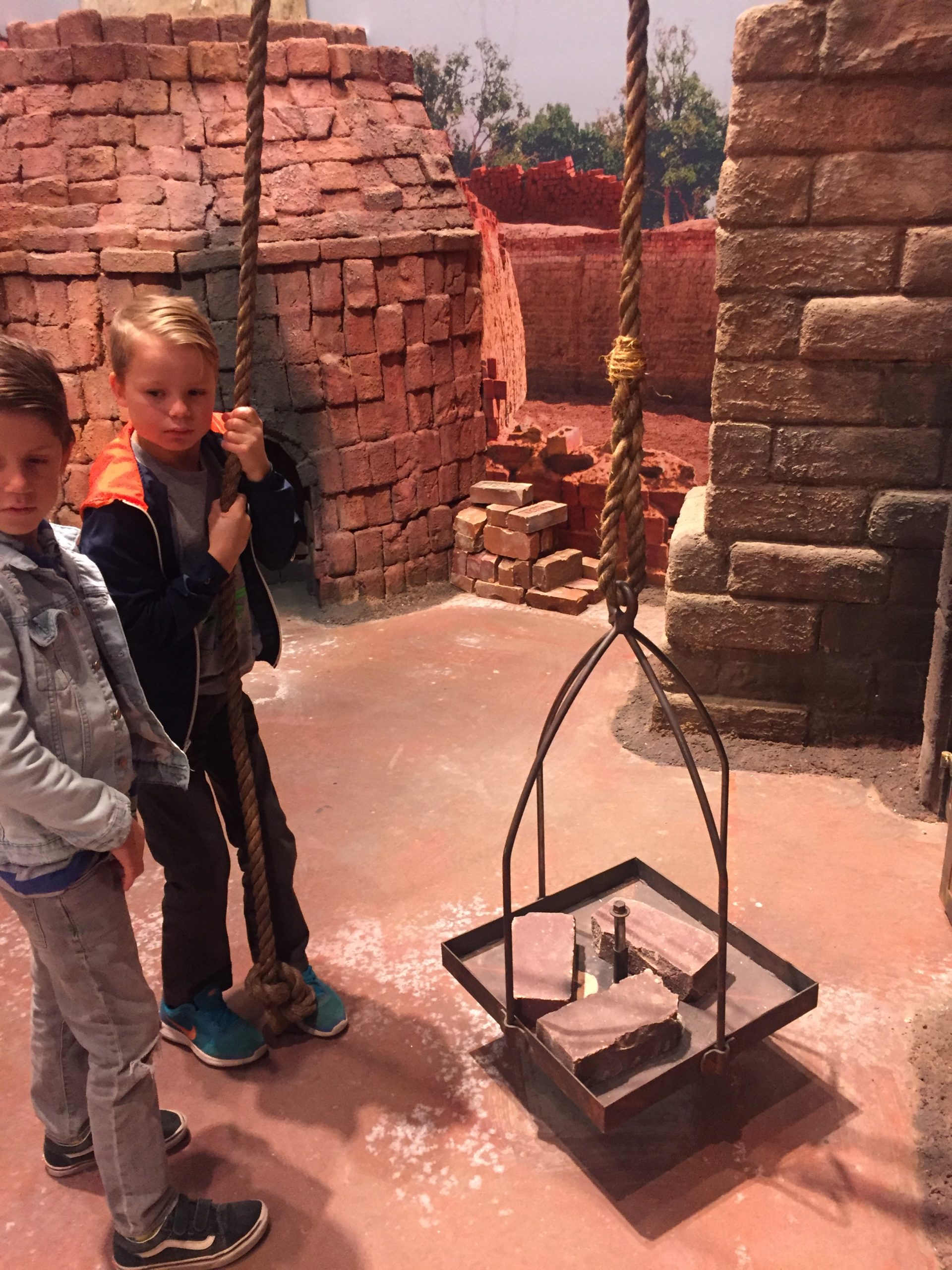
First, CHF wanted to depict situations that truly reflect the heart-wrenching circumstances children face every day, such as the garbage dumps of Guatemala, internally displaced persons camps or the brickyards of Nepal. Second, they desired to build the highest standard of realism into the scenes with “Disney-level” immersion, including authentic materials to sound effects. Finally, CHF wanted visitors to leave Poverty Encounter with the understanding that food, development and other resources can create opportunities for hope despite dire circumstances.
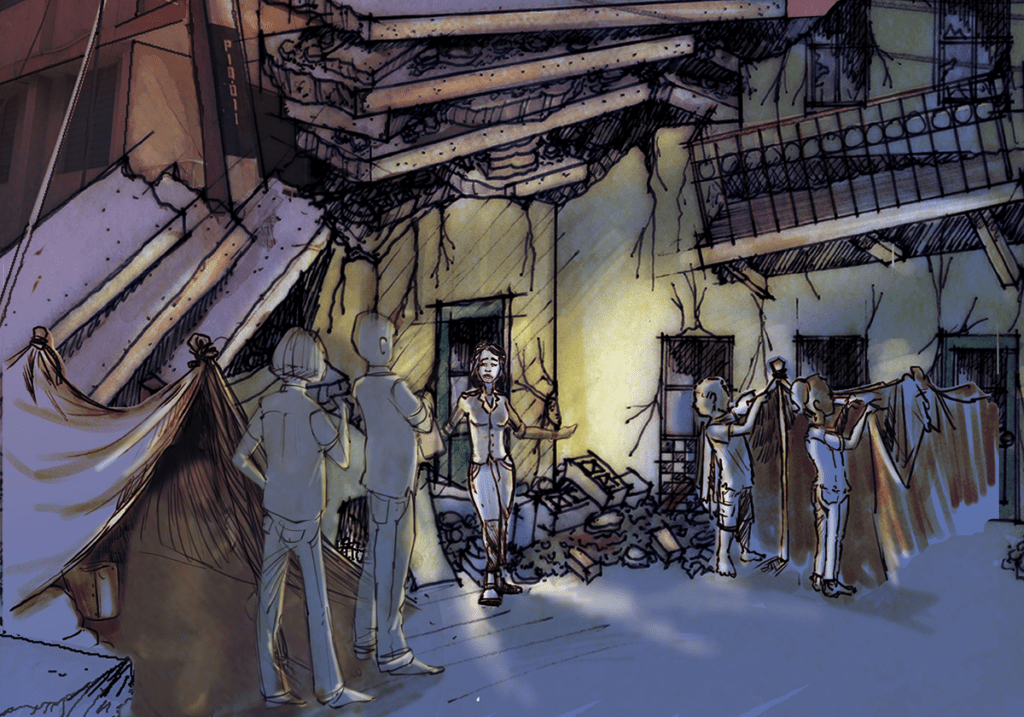
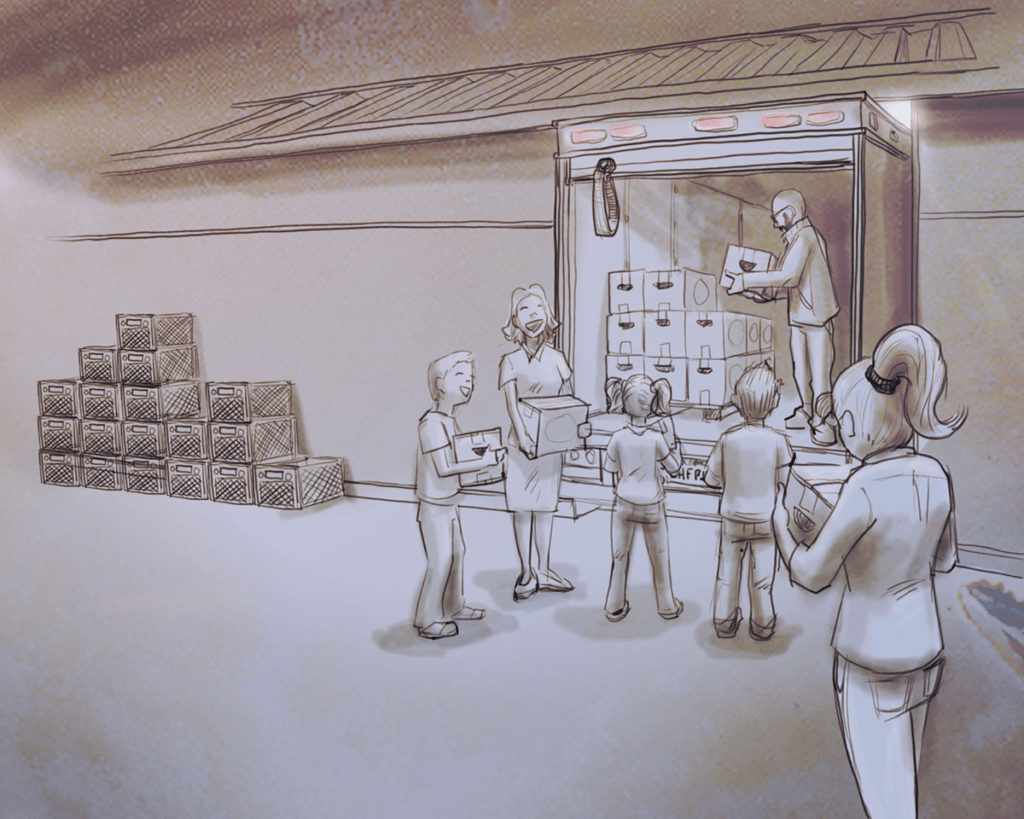
The experience concludes in CHF’s volunteer warehouse where visitors are invited to take immediate action building food boxes for families in need.
“We’re grateful to join Children’s Hunger Fund in thanking the Themed Entertainment Association for this honor and recognition,” said McGowan.

Other 2020 Thea Award recipients include Star Wars: Galaxy’s Edge and Millennium Falcon: Smuggler’s Run at Disneyland Resort in California, Hagrid’s Magical Creatures Motorbike Adventure at Universal Orlando, The Hebrew Bible Experience at Museum of the Bible in Washington DC and Warner Bros. World in Abu Dhabi.

The TEA Thea Award recipients are announced each November and formally awarded the following Spring. However, due to pandemic restrictions in 2020, the Themed Entertainment Association will celebrate and showcase the 26th Annual Thea Awards recipients with a series of digital Thea Case Studies sessions, and in 2021, TEA will resume gathering in person for the TEA Summit and the Thea Awards Gala.

About Storyland Studios

Storyland Studios is a unique team of experience-design specialists comprising artists, architects, strategists and problem solvers who believe in the power of story to change the world. The studio exists to help business leaders create and connect their stories in three dimensions: the strategic brand narrative, the spatial environment and with interactive media. Storyland partners with brands and with other agencies to create environments and immersive experiences that lift the spirit, creating deeper stories that shape culture.

More info: www.StorylandStudios.com 

Media inquiries: mel@storylandstudios.com

###
 

STORYLAND STUDIOS GOES GLOBAL WITH NEW LONDON OFFICE

HIRES MORE FORMER DISNEY LEADERS


FOR IMMEDIATE RELEASE                                        

(Lake Elsinore, CA, August 6, 2020) – Three-dimensional storytelling firm Storyland Studios announced today that the company has opened a new office in London, officially making the company an international one. Storyland appointed Ben Thompson as Chief Strategy Officer and Head of International, effective August 1, 2020. Thompson will run the office just outside London, England.


Ben Thompson has spent 20 years in major corporate brands, leading marketing, sales and strategy teams all over the world, first for Mars Incorporated, then for The Walt Disney Company and finally for Merlin Entertainments. He was Disney’s Regional Marketing Director for the UK and EMEA markets, leading teams in 47 markets on projects such as Star Wars Ep VII, Avengers, Iron Man 3, Spider-Man 2, Frozen, Cars 2 and Brave.


After Disney, Thompson moved to Merlin Entertainments, opening LEGOLAND®️ Parks and Midway sites across the world including Shanghai, Melbourne, Nagoya and Istanbul. He followed up his Merlin time by launching his own strategic marketing firm where he met Mel McGowan of Storyland Studios at IAAPA in 2019. They became friends, then formed a successful client-partnership and finally an official team!


“We believe Ben is the perfect individual to lead Storyland Studios’ next chapter of success and growth,” said Mel McGowan, Chief Creative Officer at Storyland. “We’re all confident in his ability to lead us in strategic marketing, and to build out our client-base outside of the USA. He’s a world-class leader and we’re excited to have him on the Storyland team!”


In addition to Thompson, Storyland also added Josh Steadman to their growing list of former Disney Imagineers to their team. Josh is an Art/Production Designer and Set Designer with more than 20 years of experience working in television, theater and themed entertainment. He has worked on projects such as Shanghai Disneyland, Marvel Avengers STATION and Evermore where he was an integral part of conceptualising and delivering a ground-breaking immersive experience. While working at Walt Disney Imagineering, he conceptualized, designed and installed the Enchanted Storybook Castle Walkthrough for the world’s largest Disney castle in Shanghai. He holds Thea Awards (Themed Entertainment Association) for both Show Design and Production Design simultaneously for his work on Shanghai Disneyland. With his former Disney experience and similar project work, he’ll fit right in with the Storyland team.


Storyland Studios creates immersive environments and experiences that lift the spirit through storytelling.


Contact:  Mel McGowan, Storyland Studios

Phone:    800-218-1932

Email:     mel@storylandstudios.com


If you would like more information about this topic, please email Mel at mel@storylandstudios.com.

Until We Celebrate Again, Honoring Poverty Encounter

One of the springtime traditions I look forward to all year long is the Themed Entertainment Association (TEA) Thea Awards. “The Theas,” and the TEA Summit that they cap off, bring together many of our cherished friends, colleagues, clients, and co-creatives to celebrate the great achievements of the themed entertainment industry worldwide.

But just like so many other important events held at this time of year—weddings, proms, graduations, family reunions—the TEA Thea Awards Ceremony, which was to be held tonight at the Disneyland Hotel, has been postponed due to the COVID-19 isolation orders.

Some of the greatest themed attractions in history were going to be honored tonight for their outstanding achievement, including Star Wars: Galaxy’s Edge and Smuggler’s Run at the Disney parks, and Hagrid’s Magical Creatures Motorbike Adventure at Universal Orlando. But one of the projects on the list of honorees is very close to my heart—Poverty Encounter at Children’s Hunger Fund (CHF).

So instead of lamenting the loss of the event and missing the community connections we might have made, I want to still celebrate that project and the creative and storytelling innovation it represents for our industry.

Poverty Encounter is the immersive, walk-through attraction at CHF in Los Angeles (Sylmar) that brings visitors face-to-face with the realities of poverty in fragile communities around the world.

For many years, thousands of school children and families had volunteered at the organization, boxing food to be distributed to families in need. Although this was a positive experience, Dave Phillips, CHF’s president, wondered if there might be a way to enhance it by creating a transformational experience visitors could never forget.

Rather than playing an antiseptic safety video before entering the volunteer center, what if the first act actually immersed guests into an eye-opening, heart-wrenching journey through areas of the world where the poor need the most help? Might guests leave with a greater sense of empathy and passion for the needs of others?

When I first heard what CHF wanted to accomplish, I was more than a little excited. Our team of artists, architects, and artisans at Storyland Studios helped them discover their big idea through a series of intensive blue sky sessions that led to the preliminary concept. Eventually, the underlying story broke through and we put their ideas down on paper and screen so they could present the concept to their donors who believed in the idea and invested in bringing the experience to life.

In the year since it opened, Poverty Encounter has transported thousands of guests through realistic, dimensional scenes of real-life situations faced by hungry kids – the garbage dumps in Guatemala, earthquake disaster zones in Haiti, and the Nepali brickyards where children as young as 10 are put to work.

Poverty Encounter is that rare attraction that grabs you by the heart and won’t let go. In fact, the experience ends with guests being offered an opportunity to step into the charity’s working food prep stations to prepare food for shipment to kids in need.

For many in the themed entertainment industry, the conversation of what makes a great attraction has turned from “story is the key” to “transformation is the goal.” Immersive experiences with great stories are compelling, but now we are finally asking what attractions should be compelling visitors to do, or even become.

So now, as we all slouch toward a post-COVID-19 world, attractions like Poverty Encounter will offer visitors new ways to see and impact their world.

The TEA Thea Awards Ceremony and TEA Summit are rescheduled for July,  and Poverty Encounter will receive its due applause, but until then let’s continue to aspire to make attractions that are more than fun, more than entertainment. Let’s make attractions that transform lives.


Mel McGowan, Chief Creative Officer, Storyland Studios

—

Listen to my conversation with Alissa Whiteley, Director of Poverty Encounter on the Themed Attraction Podcast.

https://open.spotify.com/episode/1BT1lTc5efXOIVOorUcxSq


Theme Parkology | Backstory

back·​story \ˈbak-ˌstȯr-ē

noun, plural back·sto·ries.

  1. a narrative providing a history or background context, especially for a character or situation in a literary work, film, or dramatic series.


In themed entertainment design, we regularly employ a literary tool called “backstory.” Typically, this is used to provide color and context for a character. However, in Spatial Storytelling℠, characters may play second fiddle to the setting,  which visitors are invited to step into and be immersed in. Rather than a generic “theme” or “genre”-based setting (eg. Disneyland’s Adventureland or Universal Studios Singapore’s Sci-Fi City), a backstory may be employed to provide a unifying thread of internal logic and layered storytelling that makes the whole greater than the sum of the parts.


A backstory element in Disney California Adventure hints that the Avengers may be emerging soon.

A recent post on the Disney Parks Blog from Scot Drake, Creative Executive of Marvel Global Portfolio, revealed the backstory the company isrolling out in three of its parks. This elaborate story is worldwide in scope with each of the park locations (Hong Kong, California, Paris) playing a part in the Avengers’ global fight against Hydra. Guests will become characters in a story that literally takes place across three continents. While most Disney guests will never visit all three of these locations, the backstory has been established all the same and will guide every design detail built into these environments.


In most art forms, an individual artist is the only one painting on a canvas. Because of our larger multi-dimensional canvas and the collective, co-creative nature of the art form known as themed entertainment, the backstory (whether it is a one-liner, a paragraph, or a larger document) can provide a “North star” to the many individuals contributing to the design, fabrication and operation of a themed experience.


For all of its advantages in facilitating a more believable, immersive design where “One plus one equals three” over and over, backstories become less frequently used at larger scales of design. For example, at the scale of an individual cart, shop or attraction, it makes perfect sense to think through the fictional shopkeeper or protagonist of a story. Their story informs hundreds of design decisions from light fixtures to furniture, props and background music. Essential backstory elements are those story points that have to be conveyed to guests in order to make sense of the basic narrative arc and conflict points of an attraction. The “Scene One” queue, or “Pre-show” is often used to establish these elements because of the time constraints of most attractions. An excellent example is the spatial sequence leading up to and inside the Twilight Zone Tower of Terror before we ever step into the ill-fated elevator shaft. At the “land” or “district” level, both the strength and weakness of backstory is its ability to edit out inconsistent IPs (Intellectual Properties), brands and characters.  


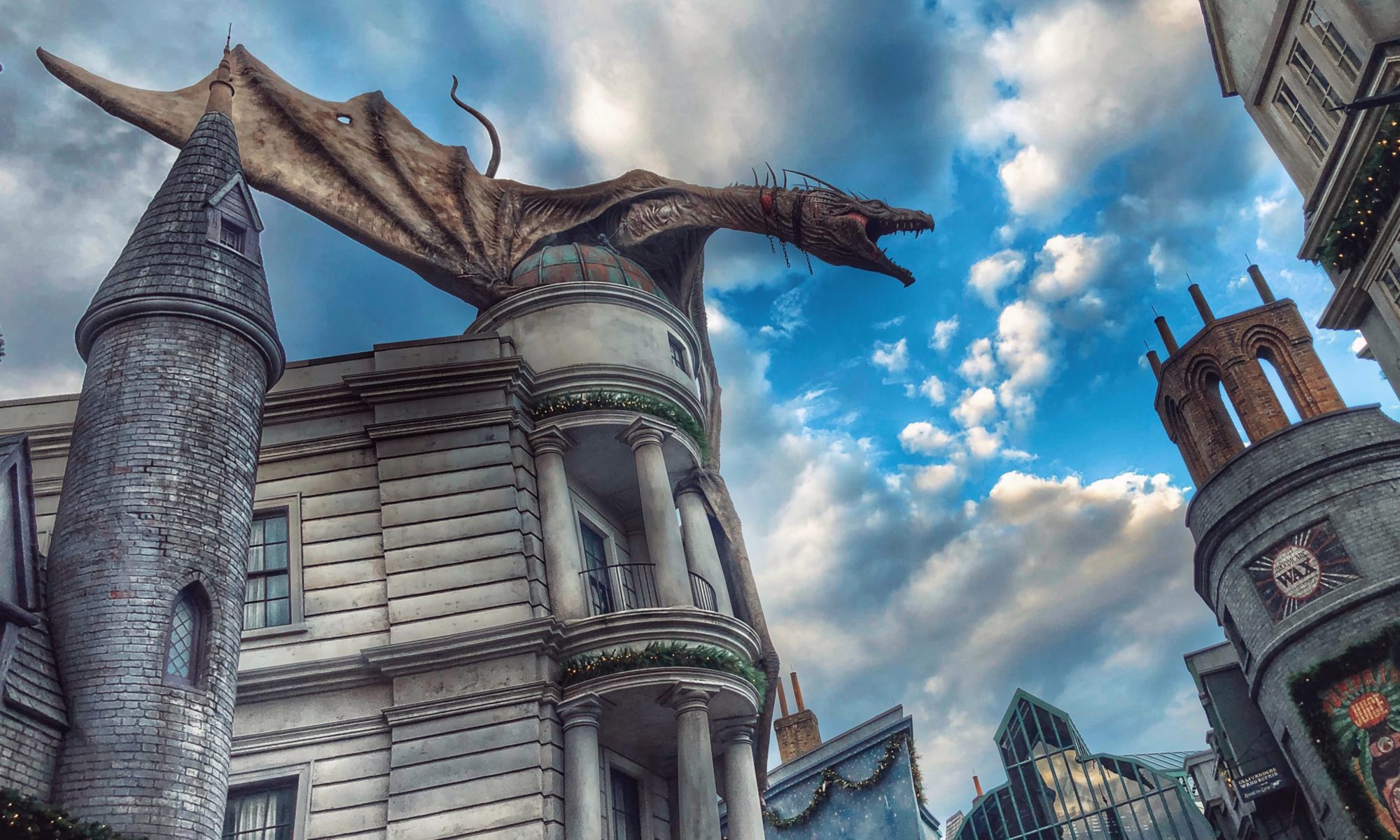
For example, without employing an elaborate backstory, any of Disney’s Fantasylands are flexible enough to encompass multiple settings (from a French castle courtyard, to an Alpine village, to the Hundred-Acre Wood, to Neverland, to an early American circus). In contrast the designers of Universal’s Hogsmeade and Diagon Alley have to live within very specific “rules of the universe” established by JK Rowling and the pre-existing “dogma” of the Harry Potter books and films. Far from being a “curse” the depth of the backstory provided elevate these environments to the heights of Spatial Storytelling℠.  


The backstory behind Disney Springs includes natural, anthropological, and industrial histories that add depth and intrigue to the guest experience.

When designing “beyond the berm” we have found that a soil-specific backstory elevates standard real estate projects into experiences and live/work/worship/play destinations that lift the spirit. People are drawn to and want to spend time in cohesive soil-specific settings, as opposed to another “Mall of Generica.” In Florida, Disney recently employed backstory to fix a problematic real estate development, now known as Disney Springs. The district was originally conceived of as a 70s wood-shake “downtown” of Lake Buena Vista, a leisure-based planned “host community.” “Inspired” by Orlando’s Church Street Station and Universal CityWalk, Michael Eisner globbed on a faux-warehouse club district in the 80s and a postmodern “big box” zone in the 90s.


With its recent re-imagining, the Imagineers researched the natural and cultural history of Florida small towns, including the freshwater springs that attracted settlers and represent nature, optimism, possibilities and inspiration. Theron Skees, the Creative Director of Disney Springs summarizes that the backstory “we developed for Disney Springs is different from our theme parks. It’s not like Frontierland or one of the lands in a theme park, but the storyline that we developed gives us a background history for which to create everything on – our landscaping, our architecture and everything.” This “storyline” is summarized in plaques bearing the town seal and motto “Disney Springs: The Source of Inspiration.”


Backstory also provides a rabbit hole that visitors can go as deep as they desire. Details throughout the district provide clues to the fictional history of the town that parallels the real history of real places in the real state. For example, D-Luxe Burger is housed in the “original” ranch house of the Glowing Oak Ranch. On the front porch, the oak tree still stands and a display case contains an undated letter from the original settler Martin Sinclair to his wife Clara. “After a particularly hard rain, the light from my campfire was reflected in the droplets of water clinging to the leaves of the oak tree overhead. The leaves appeared to be dancing and the sight of it inspired me to name the place ‘Glowing Oak’. In a fortnight I will return to you in South Carolina and cannot wait to start our living here in this happy place.”


Similarly, the various other buildings and districts trace the evolution of this isolated ranch into a century of town building that culminates in the the fictional 1950 Springs Centennial Expo, and encompassing multiple Floridian architectural eras. The result is a taste of the density and diversity of an actual downtown.


At the Shops at Dos Lagos in Corona, California, twin lakes reveal the rich history of a mining town on the rise.

In my hometown of Corona, California, I worked on a similar mixed-use town center called Dos Lagos. Built on the site of two former mining pits, the Dos Lagos site plan is centered on a perfectly circular pedestrian spine surrounding a matching pair of reflective lakes shaped like a heart, which redeem the scars of the abandoned mining pits. The thousands of details embedded in the urban design, architecture, landscape architecture, environmental graphics, lighting, and soundscape create a destination unlike any other in the area.   


Even today, at Storyland Studios, we’re applying the same depth of detail to an upcoming theme park project we are master planning and designing from the ground up. This incredible project is allowing us to create an elaborate backstory that draws upon and pulls together the universal stories that unite humankind. Guests will not only find the details of the backstory designed into the very architecture, landscaping, and attractions, but will bring to it a backstory familiar to each one of us.


In theme park design, or any creative endeavor for that matter, a well-developed backstory provides a living tapestry of “facts” and plausible “fictions” that help the viewer understand the full experience being presented to them, whether they recognize it or not. And as developers and designers of themed entertainment, it is our responsibility to author backstories so rich and believable that our guests never question the worlds we create for them to enjoy.

This post was originally published at ThemedAttraction.com by Mel McGowan. Mel is Storyland Studios’ Chief Creative Officer.

Themedattraction.com Relaunched As Theme Park Industry Info Hub

First Ever Theme Park Site Returns as Go-To Site for Themed Entertainment Design Professionals


ORLANDO, FLORIDA, November 11th, 2018 –

ThemedAttraction.com, “The world’s most comprehensive site on theme parks and themed attraction design,” is relaunched as an online resource for themed entertainment industry professionals offering insights and interviews from the world’s foremost masters of amusements.

“I’m thrilled to be launching this new phase of themedattraction.com,” said Nate Naversen, the founder of themedattraction.com. “With new writers, new contributors, and a brand new interface, we’re going to provide a voice for the theme park industry you can’t find anywhere else.”

The updated site provides news about openings and innovations from parks around the world. It features articles and interviews from top designers and industry luminaries including Disney Imagineers and other leaders in themed entertainment design. In the online forum, guests are invited to “blue sky” new projects with industry peers, or debate the highs and lows of the latest and greatest park experiences with the people who built them.
Originally launched in 1996, the site’s purpose was to supply previously unavailable information about themed attraction design from industry professionals for industry professionals.

“When I first launched themedattraction.com, there were only three web sites in the world that talked a little about theme park design. But none actually went into detail about how theme park attractions are actually created. We became something special overnight, because we not only talk about how theme park attractions are designed, but we talk to the people who actually design them!  In the past 20 years, the content has grown but the vision is the same. Educate the world about theme park design, give unsung heroes a platform and a place to connect. Inspire young people about the trade. We aren’t about revealing secrets like some fan sites. We talk definitively with the experts who have created some of the world’s most famous theme park attractions.”

The site’s relaunch also coincides with the launch of the Themed Attraction Podcast, a brand new podcast co-hosted by Mel McGowan with Freddy Martin featuring interviews with respected and award-winning theme park experts and innovators telling stories of attraction development from the ground up. Mel McGowan is is the Chief Creative Officer of Storyland Studios, a theme park design firm. He is a seasoned themed entertainment designer having spent 10 years with the Walt Disney Company.

“I’ve always felt that there are a lot of unsung heroes in the themed entertainment industry. They’ve created some of the top human magnets on the planet and yet the vast majority of people have no idea who they are. We want this podcast to give them a chance to showcase their amazing and creative stories,” said McGowan.

The podcast’s first guests include Disney Imagineer Tom Morris and urban planner and author Sam Gennawey. McGowan’s co-host, Freddy Martin, is a writer for theme park industry publications including themedattraction.com and InPark Magazine. The podcast is produced by Dr. Barry Hill, an author and professor of audio engineering at Lebanon Valley College.

ThemedAttraction.com is a theme park industry news and information site providing interviews, stories, and insights about themed entertainment design. Launched in 1996, it remains the first-ever website dedicated to themed attractions and the people who make them.

For more information about the launch of themedattraction.com contact:

Mel McGowan, Freddy Martin & friends discuss theme park design with themed entertainment industry experts.


Nathan Naversen of MyStudioSpace
1-866-944-4678
Nate@themedattraction.com

Bob Gurr: The Future of Theme Parks

One of our team sat down with Disney Imagineering Legend Bob Gurr to find out where the theme park industry is going in the future.

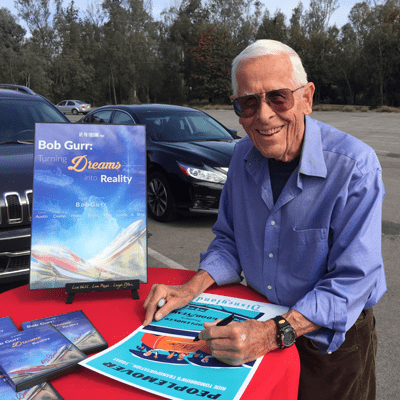
Bob Gurr’s theme park career began in 1955 when he was asked to design the Autopia vehicles for Disneyland’s grand opening. From there, he designed practically everything on wheels at the Disney parks including the Monorail, Main Street Omnibus, PeopleMovers, and the Haunted Mansion’s Doom Buggies. His storied career also took him to other parks including Universal Studios and to design gigantic show effects for Queen, Michael Jackson, and the 1984 Olympics in Los Angeles.

Bob has seen the growth of the themed entertainment industry from the beginning, so his perspective on its future is extremely valuable for those of us who plan to carry the torch.

Storyland: Where is the theme park industry going next?

Bob Gurr: Well, in the broader sense, I don’t see anything drastically different because we’re still filling the world with theme parks.

You see Walt was the first to do a real modern theme park, even though Tivoli Gardens and other places had existed for a very, very long time. But the idea of this generic theme park thing which would fit any size, any country, anywhere… What’s Disney got? 10, 11 of them now?*

Attraction designer and Disney Legend, Bob Gurr. Photo courtesy Dann Gillen. ©2018 Dan Gillen, all rights reserved.

And it’s almost certain that the next big country that gets filled up is going to be India because there are so many people in India. They’re going to grow in parallel to China. There’s so many theme parks in China. There’s so many companies in the Themed Entertainment Association. Vendors are so busy all over China.* And now Bahrain, Dubai and Abu Dhabi, they’re all starting to compete with one another.


I think, looking way ahead, when we’ve got the countries that can support it, we will sort of have done the infill of conventional theme parks. And I would love to come back in a hundred years and see what that next wave of innovation [is going to be].

It’s almost like when you have something and you infill all the stuff and now somebody says, “Ok, we’ve done that. Now what?” The “now what” usually leads to some people coming up with some brilliant stuff.

I don’t know what it’s going to be, but I see it’s way down the road. But it’s not there yet.

So there might be some kind of stuff, obviously some of its going to be virtual reality. But virtual reality, I think, is coming to a point where it’s going to be very generic in another couple of decades, in a way. And it’s almost like there’s going to be a semi-throwback to more naturalistic environments that are entertaining.

I can’t tell you very much, but I was paid recently for an entire morning with probably one of the most important, far-out theme park designers in the world, and I can’t say anything more than that. But that was the thrust I could see that they’re headed to. And this person has always been in the forefront.*

So, all I can share with you, is that, yeah, I might be the 86 year-old guy on the bus, but I did get invited to poke my nose into that next wave of the future. Because it’s out there.

To read the entire interview, visit FreddyMartin.net.

*Edited for clarity.

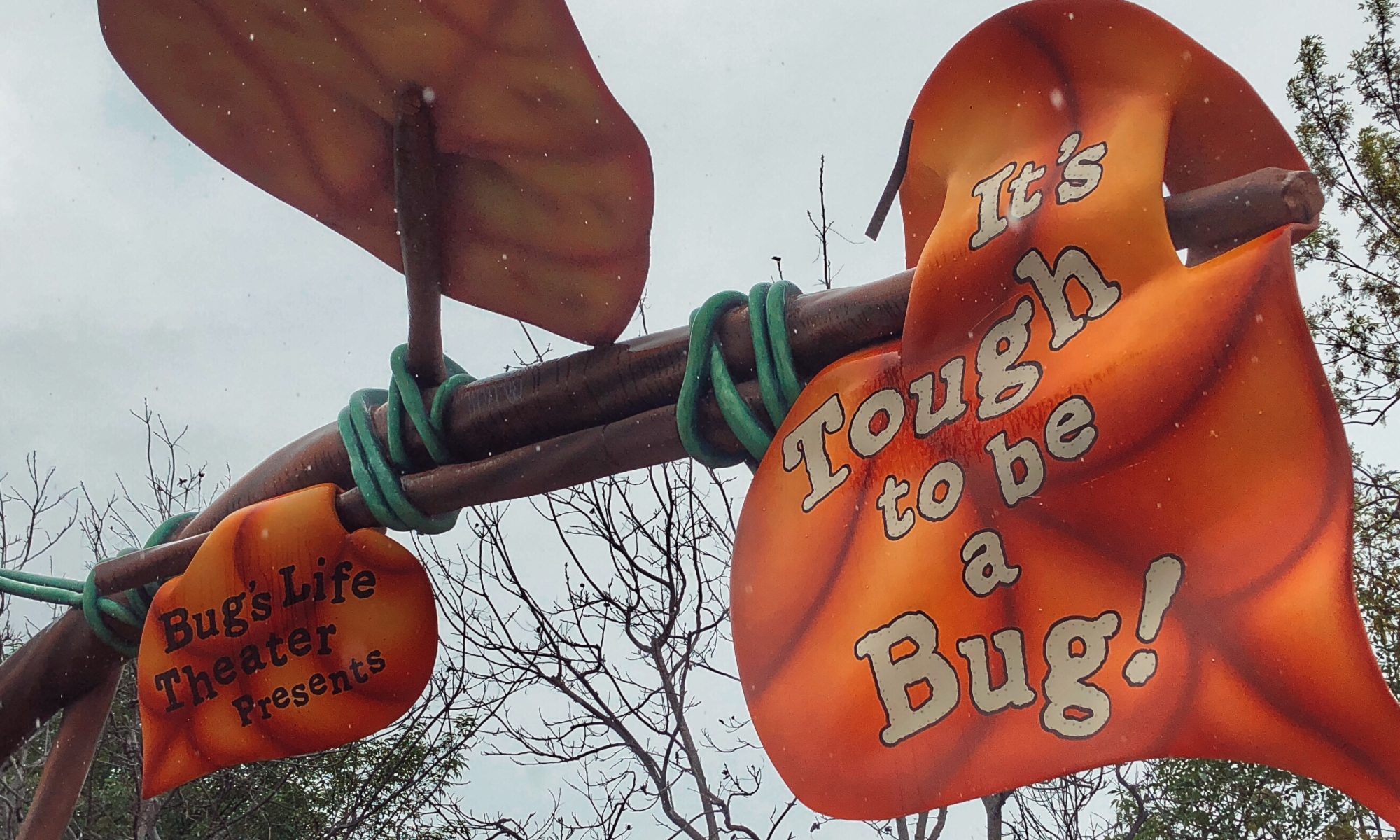
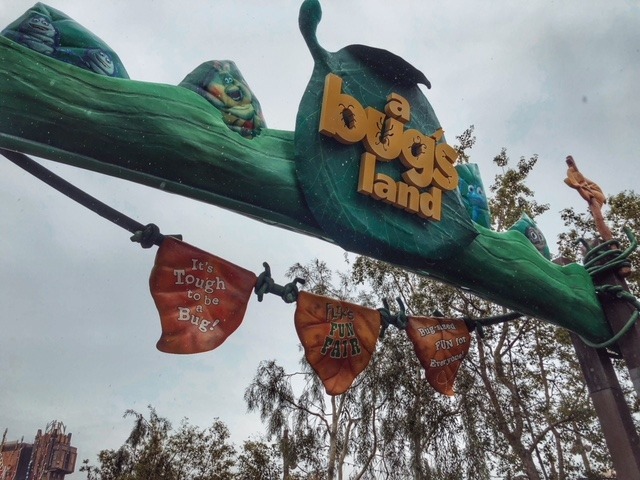
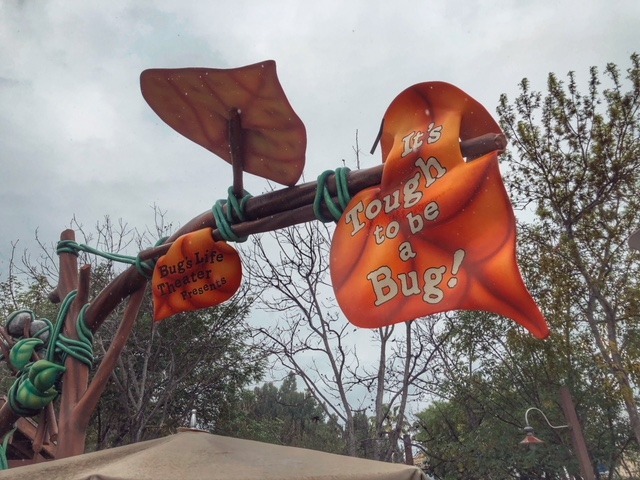
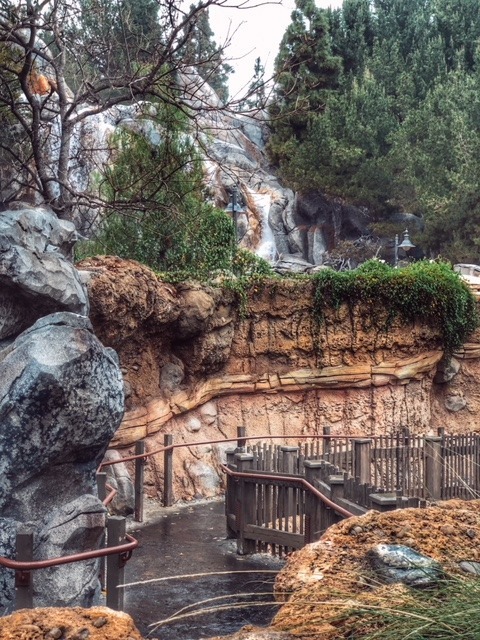
Marvel Invades Disneyland – Last Look At A Bugs Land

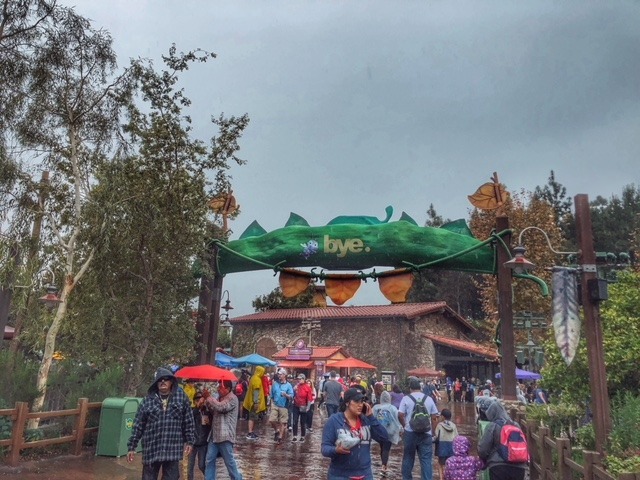
With the news today that a Marvel-themed land (including attractions for Spider-Man and the Avengers) will soon replace A Bug’s Land in Disney California Adventure, our comic-book-loving staff gave a collective cheer.

But the good news came with the unexpected revelation that Disney had secretly closed the land’s anchor, opening-day attraction, the immersive 4-D theater masterpiece “It’s Tough to be a Bug” on March 19!

In recent years, attractions like The Great Movie Ride, Hollywood Tower of Terror, and Maelstrom have all received extended mourning periods as Imagineers prepared to send them to the extinct-attractions club.

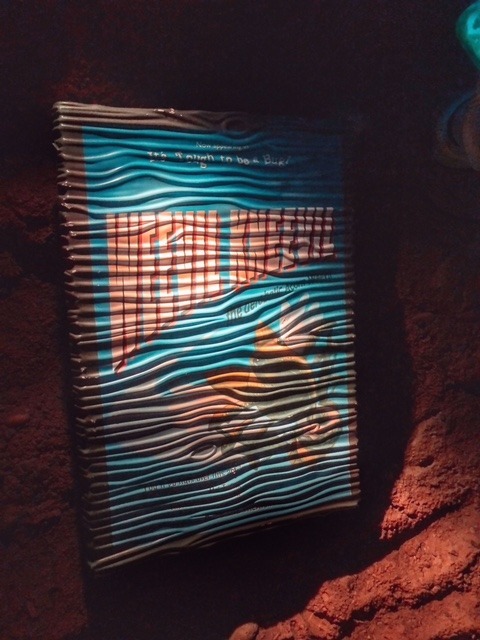
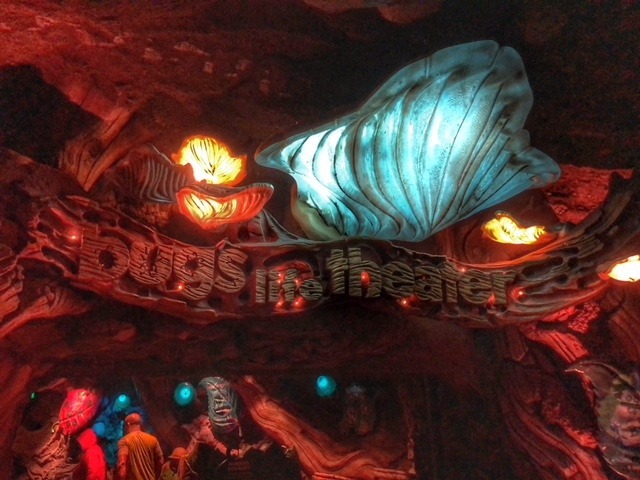
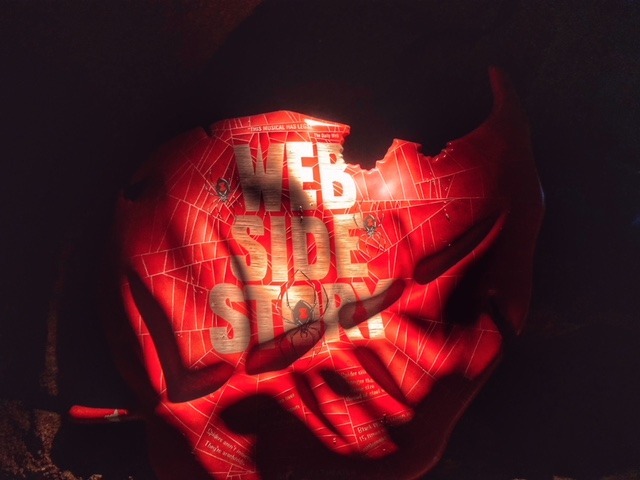
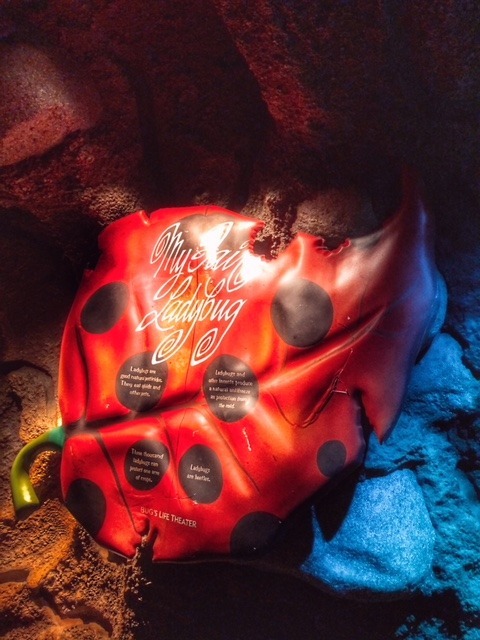
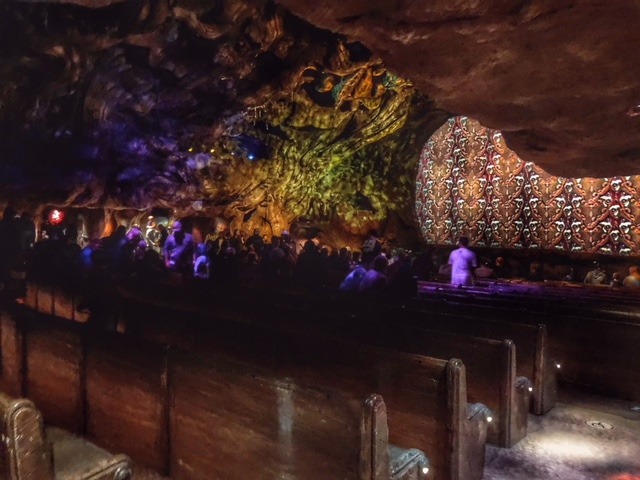
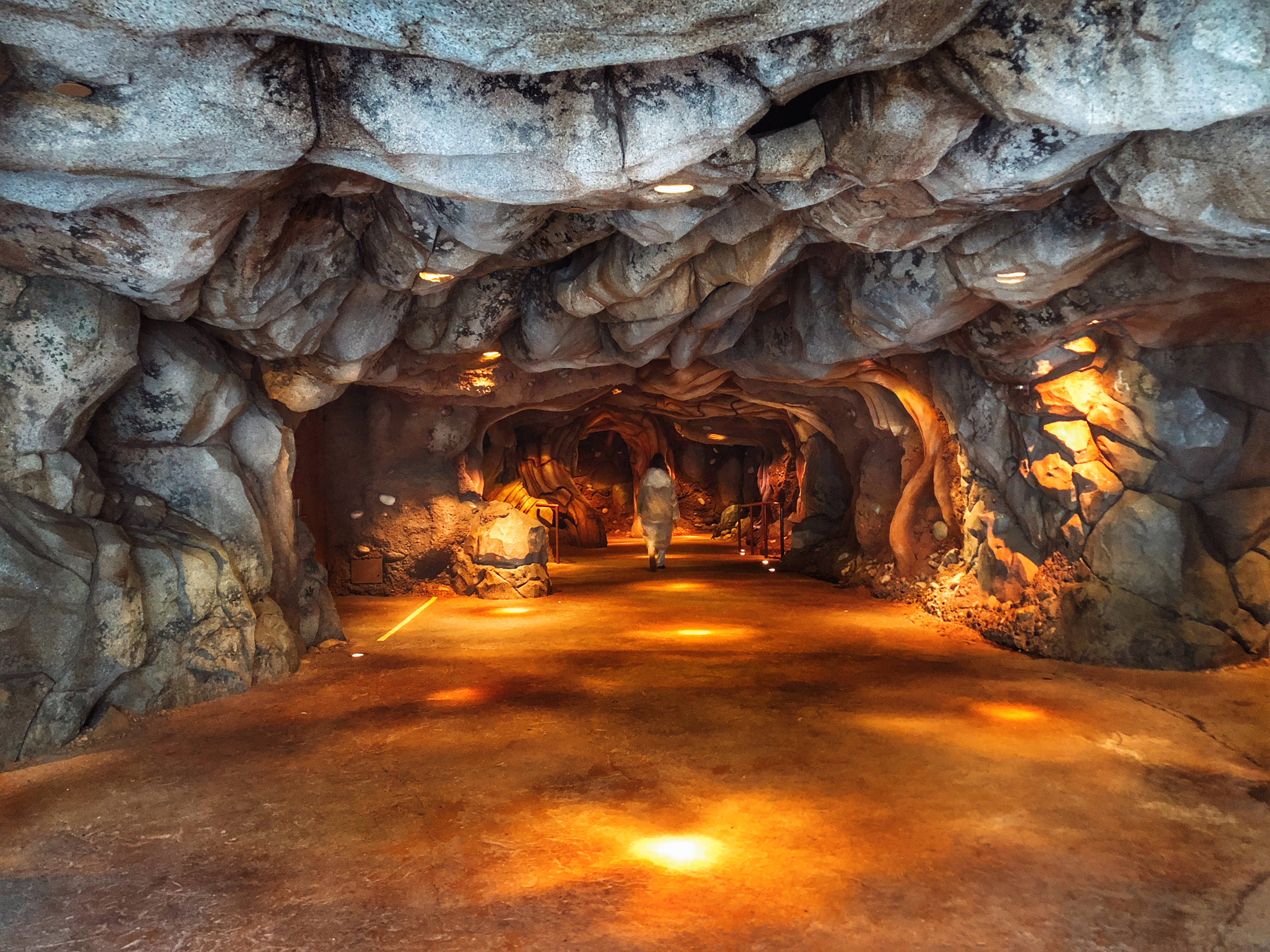
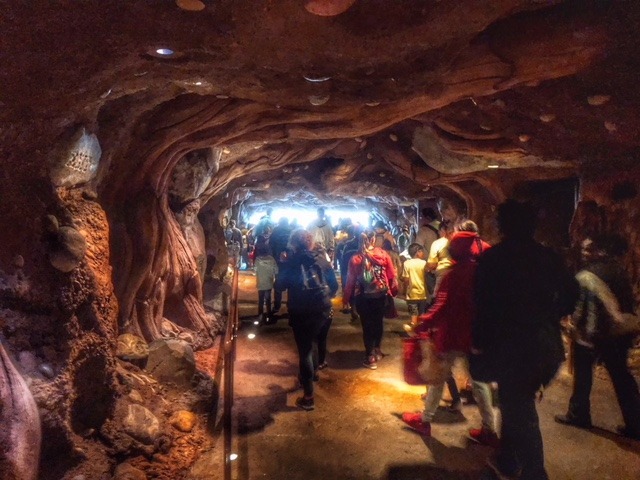
So when we saw that “It’s Tough to be a Bug” was gone forever without so much as a tweet, we were disappointed to say the least. We’ll never again see the attraction’s incredible ants-eye view queue, buggy theater poster parodies, and the cavernous underground theater.

Then we found out that one of our team members had visited the attraction mere days before it’s closure and took detailed photos of the attraction’s queue and interior. Little did he know, he was capturing these photos for the ages.

So without further ado, please enjoy one last look at “It’s Tough to be a Bug,” a world-class example of themed-entertainment fabrication that is now gone forever.

To see more of the final photos of “It’s Tough to be a Bug” and “A Bug’s Land,” go HERE.

To learn more about the Marvel Lands coming to Disney parks around the world go HERE.

Space Between Places – An Interview with Artist Morleigh Steinberg

Storyland Studios’ writer, Freddy Martin, sat down with Morleigh Steinberg to talk about how creating unique spaces for people to interact can positively affect human creativity and experiences. Morleigh Steinberg is a dancer, choreographer, director, filmmaker, lighting designer, and is married to U2 guitarist, The Edge.

When I first met Morleigh Steinberg, artist and co-owner of Arcane Space, a bodega studio in Venice, California, I asked about her “gallery.” She politely corrected me.

“It’s not so much a gallery as it is a space,” she mused.

That caught my attention. As a Spatial Storyteller(sm), I’m fascinated by the ways people use space to express something of meaning or significance. Whether in cathedrals, office cubicles, or amusement parks, creative people are able to transform space to express something about themselves and the way they see the world. So I had to go see Arcane Space for myself.

“I think ‘a gallery’ is very defined,” Morleigh later explained. “There’s a certain structure that a gallery has to set up to present artists.”

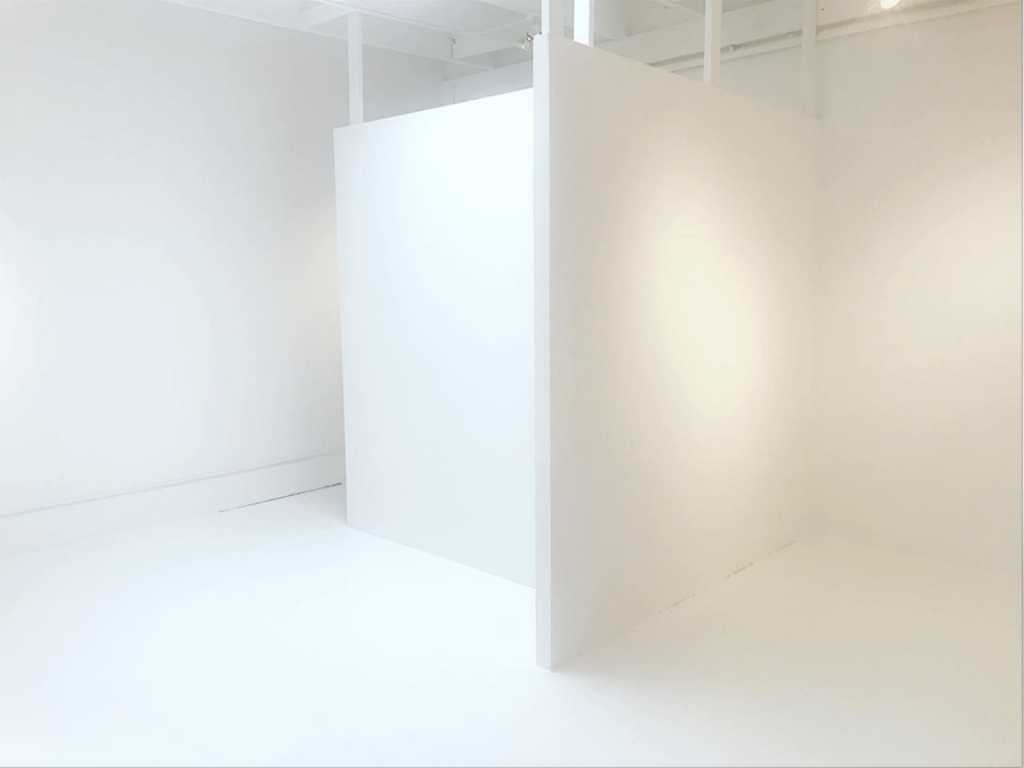
The entire gallery… er, space is surprisingly small and painted stark white, from the floor to the ceiling. It gives one the impression of a blank page or canvas to be used freely for artistic expression.

“We want it to be a place where we can share,” Morleigh said. “And give (artists) an opportunity to present work, or make work, or explore work, or push work, but not in a defined gallery. But just in the space.”

Lines In The Sky

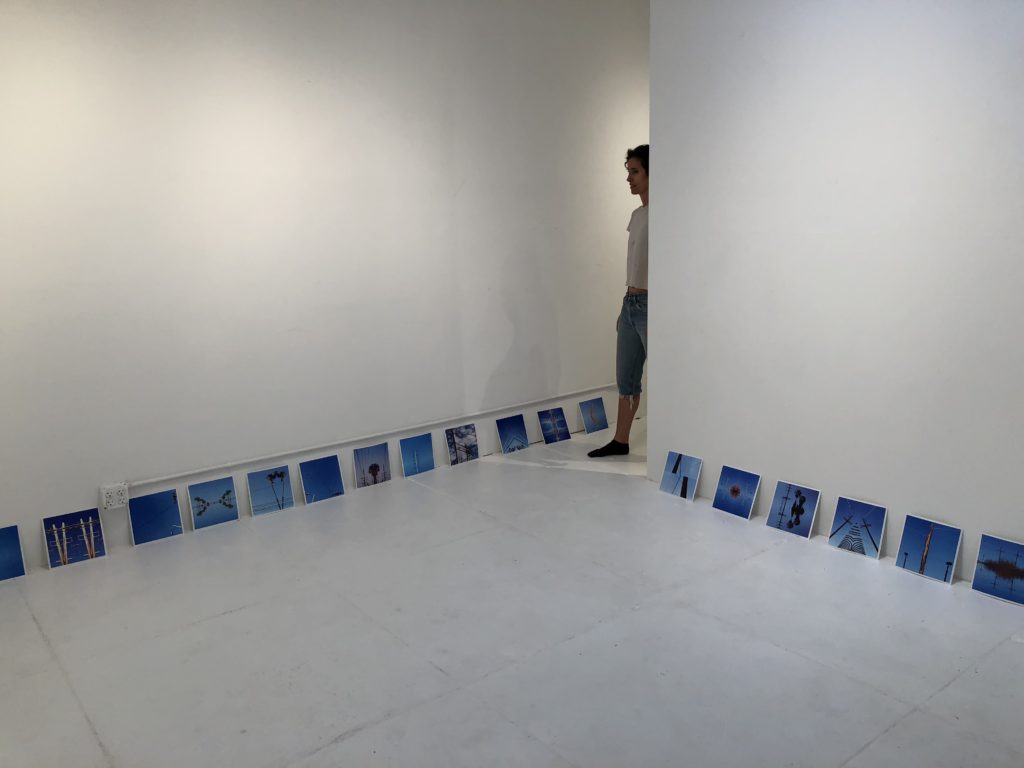
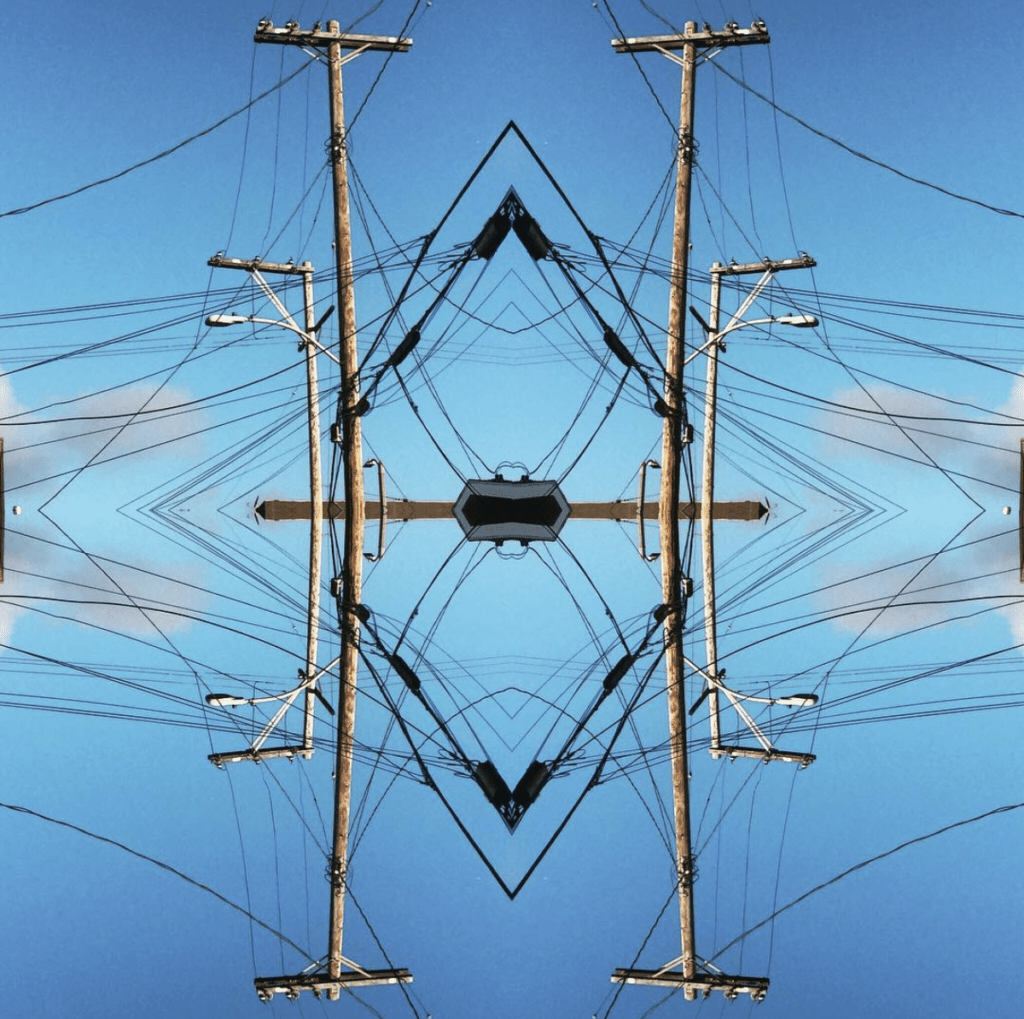
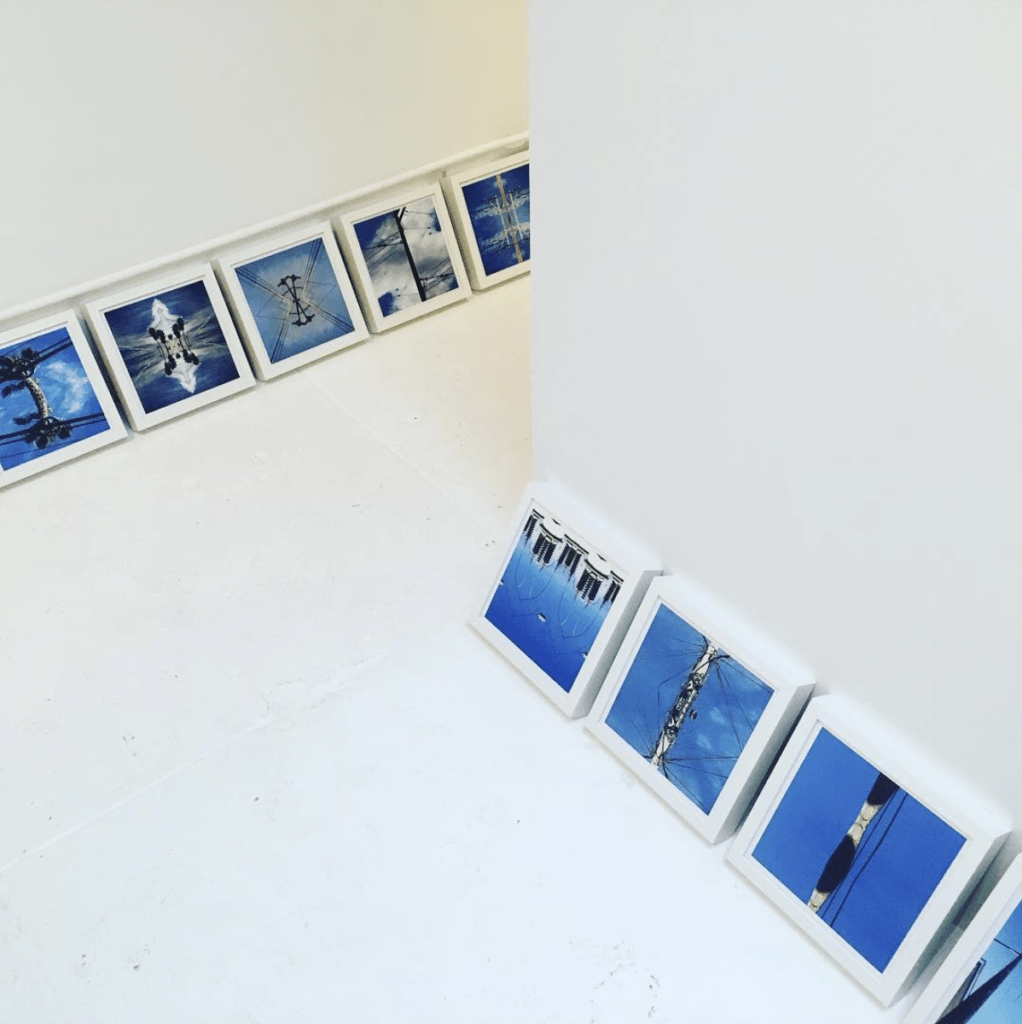
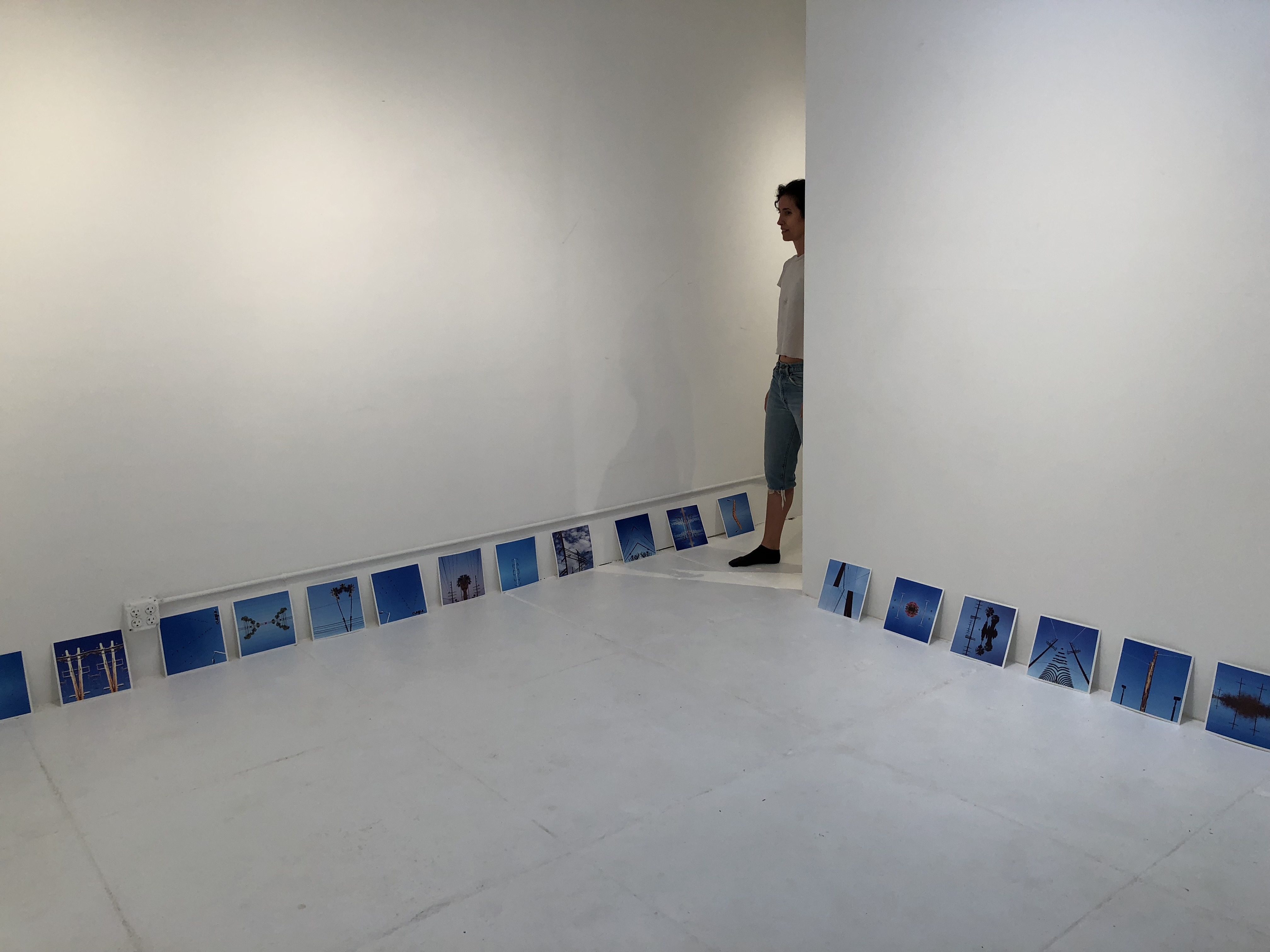
Arcane Space’s first installation was a collection of Morleigh’s own photographs entitled “LA Sky Lines.”

Each piece featured the blue, California sky criss-crossed with telephone wires and poles, double-exposed for a disorienting kaleidoscopic effect.

“I’ve always been fascinated by the connections that these wires make above our heads. We live in this very detached society. There’s something so tangible and so real about these wires going from pole to pole to pole to pole.”

True to her intention to allow the space to guide the work, the photographs weren’t hung on the walls. They were on the floor, leaned against the wall to create a sort of blue baseboard that followed the walls’ hard angles wherever they led.

This unusual arrangement allowed visitors to view the images, not as individual pieces, but as part of a larger complete work. The space itself had become the work of art.

“There’s purity in putting a picture on the wall,” she said. “But you never just put a picture on a wall, do you? You always put a picture up in the relationship it has to the rest of the space.”

The Space Between Places

Exploring and interacting with new spaces and places has always intrigued Morleigh.

“There are several places in LA that are so unique, but you’re going to have to drive to them. You’re going to have to get in the car to go to them.”

Morleigh grew up in Los Angeles alongside the city’s vast and notorious freeway system. But traffic and distance couldn’t keep her from seeking out the unique experiences the city has to offer.

“I lived in New York for a time and there you don’t have to drive to experience a lot of different things. Here, there’s always somewhere to go. That comforts me more than having the same places within reach all the time.”

One Southern California place she rediscovered recently was Disneyland. Walt Disney’s cartoon kingdom in Anaheim might not be the first place an artist thinks of when seeking authenticity and genuine inspiration, but Morleigh went into the experience with eyes wide open.

“I was so impressed by it. I was really impressed by the landscaping, all California drought tolerant. But then in Tomorrowland, the landscaping was all vegetables, like kale, and chard, and herbs and it was quite remarkable and I was like, ‘Right on!’”

“Then, going into the haunted house, all the things that held the chains they were all these beautiful kind of patinaed bats. And they were real! They weren’t like plastic fake stuff. They were real materials.”

While Morleigh seemed genuinely surprised at the authenticity achieved in Disneyland’s fantasy worlds, she agreed wholeheartedly with the premise that creating space for people to respond to produces genuine emotional results.

“I think how we make space and interact with space has an effect on our positivity, on our outlook, on the whole human experience.”

Outside, It’s America

At the time of this writing, Morleigh is putting the finishing touches on Arcane Space’s newest installation; The Joshua Tree – Photographs by The Edge, the first public showing of her husband’s series of desert photographs.

In 1986, Irish rock band U2 visited Death Valley in California to capture images of America for the cover of their groundbreaking album, The Joshua Tree.

But band photographer, Anton Corbjin, wasn’t the only one taking pictures. The Edge, Morleigh’s husband, and U2’s revered lead guitarist and atmospheric sound architect, took up his own camera to capture the wide open spaces he saw.

Morleigh recognized that displaying her husband’s never-before-seen photographs of the same brilliant landscapes would be unique and intriguing for many people. And the timing isn’t bad either. The band just finished a worldwide tour celebrating the album’s 30th anniversary.

“It doesn’t make sense to do it 6 months from now,” said Morleigh. “That would feel like going back, you know? So let’s kind of catch the end of this magnificent tour and commemoration to that album, which meant a lot to a lot of people.”

With the confidence of a woman at the vanguard of creative exploration for her family, Morleigh convinced her husband to do the unexpected, to use the space to explore and share his own story. ”Let’s not make this about the band. Let’s make it about the landscape. And the landscape that you saw at that time.”

Arcane Space is the collaborative effort of Morleigh Steinberg and singer/artist Frally Hynes.

The Joshua Tree – Photographs by The Edge runs from November 22-December 17, 2017.

100% of the proceeds from sales supports the Go Campaign, which funds grass roots organizations that serve children and youth around the world.

Visit ArcaneSpaceLA.com for more information.

Read the full, uncondensed version of this story at FreddyMartin.net.

Arcane Space in Venice, California. Image originally posted by @arcane.space on Instagram used by permission. © 2017 Arcane Space, all rights reserved.

Themed Entertainment Design Firm Emerges as Spatial Storytelling Powerhouse

Lake Elsinore, CA, November 13, 2017 – The secret’s out. Storyland Studios is now a complete design and fabrication powerhouse serving story partners throughout the themed entertainment industry.

Storyland Studios’ full-range of creative disciplines is directly inspired by the synergy and size of Walt Disney’s original design and fabricating team originally known as WED (Walter Elias Disney) Inc, MAPO (Manufacturing and Production Organization), and eventually WDI (Walt Disney Imagineering).

The 80-person team at Storyland Studios represents a unique combination of artists, architects, and artisans united as one boutique Spatial Storytelling℠ firm including Disney alumni Mel McGowan (Chief Creative Officer) and Tom McGlinchey (Chief Financial Officer).

“We think that we have something special to offer the industry,” said Blake Ryan, President of Storyland Studios. “Whether we’re handed the baton at the Blue Sky or bidding phase, whether we are master planning a property, or fabricating a larger-than-life prop, we stand ready to partner and serve our friends and story partners in the themed entertainment industry.”

Southern California’s Storyland Studios is a full-service themed-entertainment design and fabrication firm offering the following “dream to dedication day” services:

Imagine: Master Planning, Concept Development
Design: Architecture, Interior Design, Production Design, Graphics & Wayfinding
Create: Dimensional Fabrication & Installation

High-profile projects and clients have included the Hogwart’s Express at Universal Orlando, and environments at Sea World, and LEGOLAND.

“Storyland’s story is taking an exciting new turn,” Ryan said. “Our clients have called us a ‘Big Idea’s best friend’ and ‘purveyors of possibility.’ We love answering the question of ‘Is this possible?’ with a resounding ‘Yes!’”

Located in Southern California’s Inland Empire, Storyland Studios is an established “behind-the-scenes” consultant/subcontractor providing themed environments, experiences and elements for stories and IPs from Harry Potter to Star Wars and DC and Marvel. Established by fabrication master Mark Harrington and joined by Disney alumni Mel McGowan, and Tom McGlinchey, Storyland is a complete concept-to-completion themed entertainment design firm.

###