

15th July 2026
Land, Air, and Sea: Designing Guest Experiences Across Every Frontier
Featuring insights from Sean Featonby
Director of Business Development, Storyland Studios
Theme parks, cruise ships and international airports don’t often find themselves in the same conversation. One is designed for leisure, another for travel, and the third sits somewhere in between. Their operational demands couldn’t be more different.
Yet from a guest’s perspective, they have something fundamental in common.
“Whether you’re in an airport, on a cruise ship or visiting a theme park, you’re a guest of that place,” says Sean Featonby, Director of Business Development at Storyland Studios. “The context changes, but the responsibility doesn’t. Every decision should contribute to the guest experience.”
It’s a perspective that has shaped Storyland’s growing work across land-based destinations, cruise environments and aviation. While each sector presents its own operational realities, the principles of creating meaningful, memorable experiences remain remarkably consistent.
Beyond Operations
Airports move millions of passengers safely and efficiently. Cruise operators coordinate floating cities. Theme parks orchestrate attractions, entertainment and hospitality at enormous scale.
Operational excellence is essential, but it doesn’t automatically create an experience people remember.
“These organisations already have extraordinary operational expertise,” Sean explains. “What experience design adds is a way of bringing those systems together around a clear vision of the guest journey.”
Rather than treating storytelling as a decorative layer applied at the end of a project, Storyland begins with a series of deceptively simple questions:
Who is the guest? What story are we telling? How should people feel? And, ultimately, what do we want them to remember?
These questions inform everything that follows, from master planning and spatial organisation to architecture, graphics, landscapes and guest interactions.
Different Places. The Same Process.
Although airports, cruise ships and destinations operate differently, Storyland approaches each with the same design framework.
Every project begins by understanding the guest, defining a central idea and exploring how people will move through a space—both physically and emotionally. Workshops, narrative development and experience planning provide the foundation before detailed design begins.
“The process transfers surprisingly well,” Sean says. “You’re still designing journeys. You’re still thinking about orientation, discovery, anticipation and memory. The environment changes, but people don’t.”
That consistency allows ideas developed in one sector to inform another, bringing fresh perspectives to industries that don’t always look beyond their own boundaries.
Designing for Arrival and Departure
Few places have as much influence over first and last impressions as airports, ports and transport hubs.
These are threshold experiences: the beginning of an adventure, the final chapter of a holiday, or the moment someone first encounters a city or destination.
“They’re often the first and last places people remember,” Sean says. “Those moments carry far more emotional weight than we sometimes give them credit for.”
Rather than viewing these environments purely as places of transit, Storyland sees opportunities to express local identity, culture and character in ways that enrich the journey without compromising operational performance.
A thoughtfully designed arrival can build anticipation. A memorable departure can leave guests with a lasting positive impression. Even relatively short dwell times can become meaningful when every element works together to tell a coherent story.
Designing for Different Levels of Engagement
Not every guest wants the same experience.
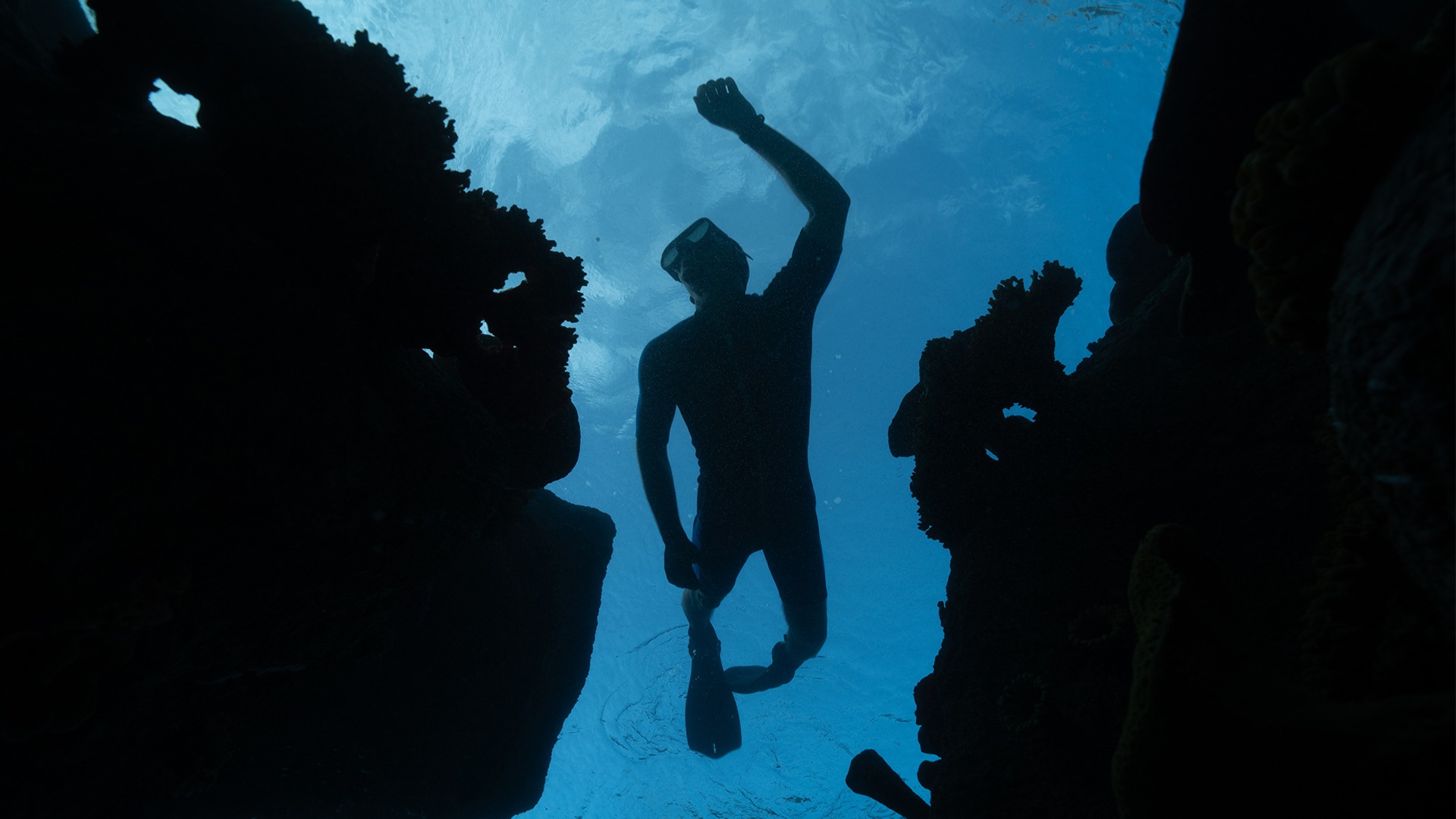
Sean often describes guest engagement through three simple archetypes: waders, swimmers and divers.
Waders engage with an environment at a glance. They appreciate atmosphere, architecture and visual storytelling without actively seeking more.
Swimmers are naturally curious. They’ll explore, discover details and spend time engaging with the environment around them.
Divers seek complete immersion. They want to understand the story, uncover layers of meaning and become active participants in the world around them.
The balance varies from project to project. A destination or theme park may successfully accommodate all three, while an airport is more likely to focus on placemaking or creating rewarding experiences for waders and swimmers. The goal isn’t maximum immersion everywhere—it’s providing the right depth of engagement for the context.
“The right story connects all of it,” Sean says. “It’s about finding the right level for the guest while respecting the operational realities of each environment.”
A Shared Design Discipline
Whether developing a destination, reimagining a terminal or shaping guest experiences aboard a ship, the underlying discipline remains the same.
Master planning considers how people move through spaces, where moments of discovery occur, how different environments connect and where opportunities exist to strengthen the overall journey.
Wayfinding, landscape architecture, environmental graphics, placemaking and storytelling all contribute to a cohesive experience. None exist in isolation.
“You’re still moving people through spaces,” Sean says. “The floor plan might be different, but the principles are remarkably similar.”
That holistic approach extends beyond physical design. The most successful destinations create alignment between environments, operations and the people delivering the experience every day, ensuring guests encounter the same story at every touchpoint.
Looking Beyond Traditional Boundaries
As industries continue to evolve, there is increasing value in sharing ideas across sectors that have historically operated independently.
Airports can learn from destination design. Cruise operators can borrow principles from themed entertainment. Visitor attractions can adopt lessons from hospitality and transport.
For Storyland, the opportunity lies not in making every place feel like a theme park, but in recognising that every place can be designed with greater intentionality around the people who experience it.
“These are places that shape how people feel about arrival, departure and exploration,” Sean reflects. “There’s a real opportunity to create experiences that people carry with them long after they’ve left.”
Whether guests arrive by land, air or sea, the infrastructure gets them there.
Thoughtful experience design is what makes the journey memorable.
Further reading: For a related perspective on spatial storytelling at sea, see The evolution of the cruise industry: charting a course for future guests, written for Blooloop by Tyler Rizzo.