

14th January 2026
Crafting Worlds: The Power of Landscape Architecture in Theme Parks
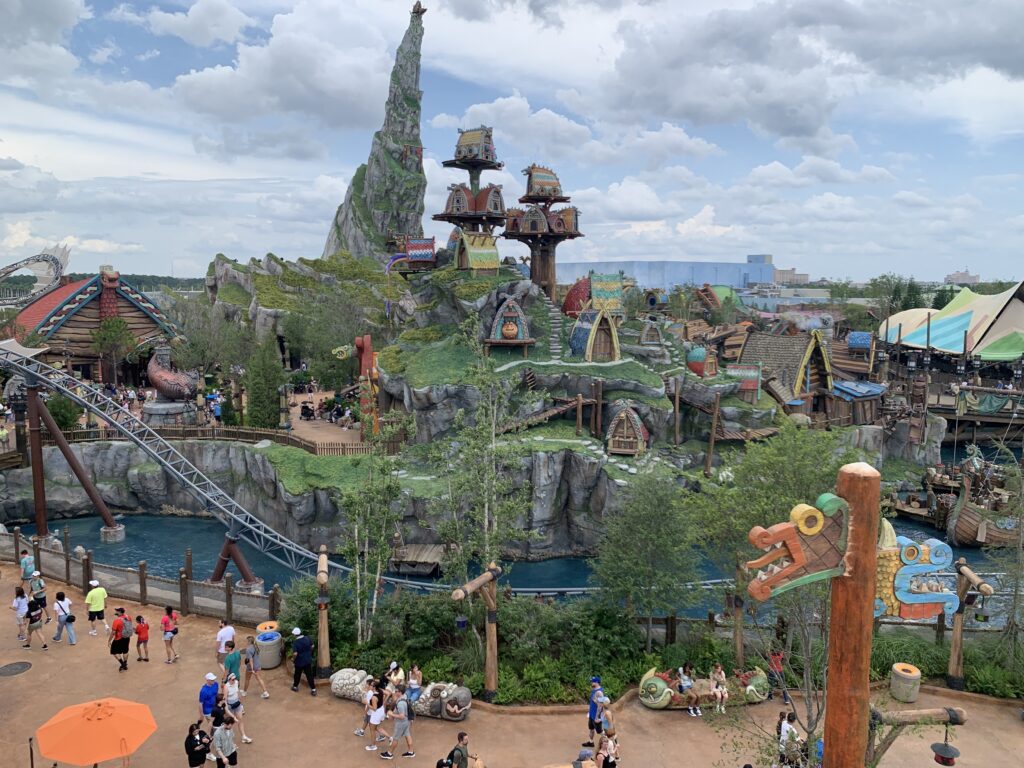
Featuring insights from Kevin Blakeney
Director of Master Planning
Storyland Studios
Landscape architecture in theme parks is often described through what guests can see: the trees, the pathways, the rockwork, the outdoor spaces that feel immersive and intentional. But from the inside, it’s less about surface beauty and more about experience, expertise, anticipation, and understanding how a theme park actually operates.
As a result, we can design in a way that solves problems long before they ever become visible.
That depth of knowledge is where real value lives for clients.
I came into themed entertainment through landscape architecture very deliberately. I saw it as a way to bridge creativity with practicality – to work in a field where storytelling mattered just as much as buildability. Theme parks don’t allow for design that only looks good on paper. Everything has to function, be maintainable, meet safety standards, and still deliver an emotional experience for millions of guests. Landscape architecture sits right in the middle of all of that.
Experience That Starts Before Anyone Notices
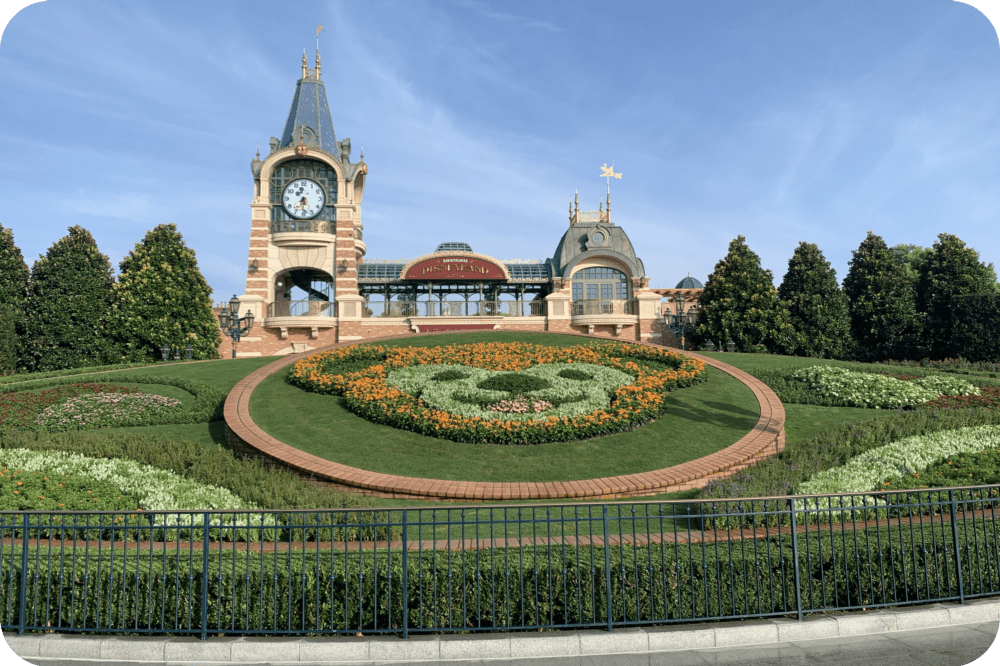
One of the clearest examples of landscape expertise shaping a guest experience is Disneyland in Anaheim. In the late 1990s, the resort expanded its sense of place far beyond the park gates. The arrival experience was redesigned so that guests began to feel immersed not at the turnstiles, but at the freeway off-ramp. Landscape, lighting, graphics, and streetscape worked together to create a consistent visual language that quietly told you: you’re somewhere different now.
From a guest perspective, it just feels welcoming. From a design perspective, it required deep understanding of guest psychology, traffic flow, city infrastructure, and long-term maintenance. It needed an understanding of both landscape architecture, and theme parks specifically. Knowing how early an experience should begin, how far the “bubble” should extend, and how to integrate with a surrounding city isn’t something you solve late in design – it’s something you anticipate from day one.
Seeing the Problems Before They Exist
A big part of working in themed entertainment is learning to ask questions before anyone else thinks to ask them. Where will guests see the outside world when they shouldn’t? How will maintenance vehicles reach this area five years from now? What happens during an emergency evacuation? Where does the fire truck go? Where do utilities run? How will this look not just from inside the land, but from the backstage road behind it?
View control is a great example. Screening isn’t just about hiding something ugly, it’s about knowing what will be ugly if it’s left unaddressed. Landscape architects use planting, landforms, fences, and walls to manage sightlines and guide the eye, shaping how guests move and what they notice. That kind of foresight only comes from having worked in these environments repeatedly and knowing where issues typically arise.
Without that experience, it’s easy to design something that looks fantastic but creates operational headaches later.
Theming from All Angles
A good example of how this expertise plays out is in how rockwork, planting, props, and scenery come together to solve real design challenges.
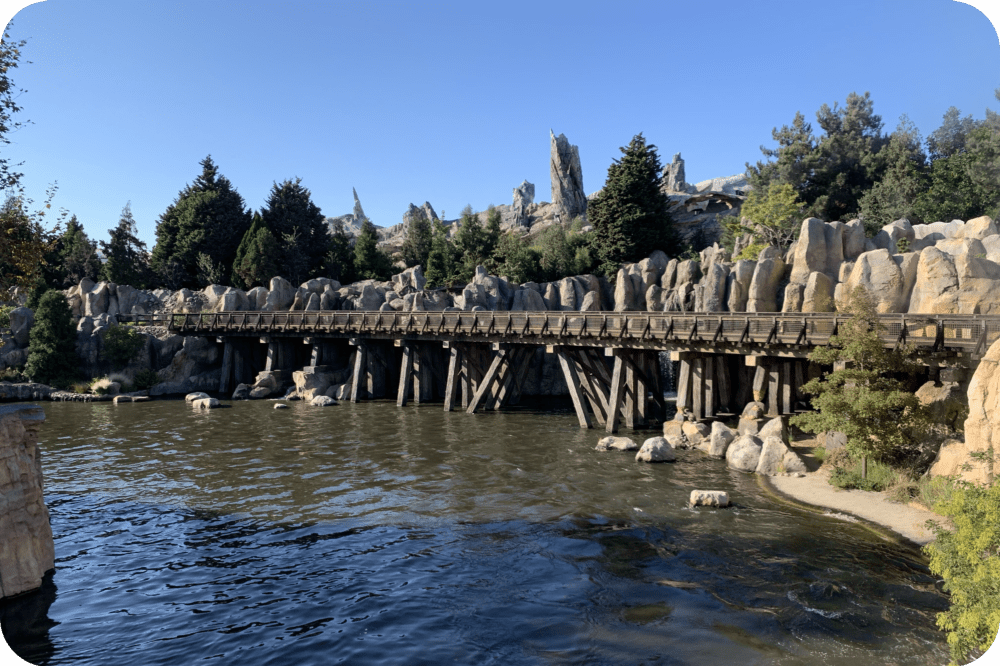
Rockwork is one of the most visible scenic elements in a theme park and plays an important role in establishing scale and identity. You rarely see something like the Matterhorn anymore, where the mountain is 360 degrees. So although rock work is great for creating something iconic, like the spires in Batuu, like the Cadillac Ridge for Cars Land, planting helps soften the edges, and it gives you a little bit more of that 360 view you’re trying to create with screening from both sides.
But it’s only one part of the immersive picture. True immersion comes from the full composition – rockwork, landscape, architecture, props, and smaller scenic details working in concert. Each has strengths and limitations, and we need to understand how they interact.
In lands like Cars Land or Galaxy’s Edge, rockwork creates iconic forms and anchors the environment. Those features are typically designed to be experienced from within the land, which raises practical questions early on: how does the area read from a resort road, a neighboring land, or a nearby attraction?
Landscape architecture helps address those concerns. Planting, landforms, and layered screening are used to soften edges, add height, and manage sightlines. For example, along the Rivers of America at Disneyland’s Galaxy’s Edge, this meant combining rockwork with tiered planters – often called “birthday cake planters” – to elevate large trees and create effective screening between lands. Rockwork set the structure and story, while landscape provided adaptability and long-term visual continuity.
By understanding how scenic elements work together across an entire property, we can deliver an integrated approach that helps resolve sightline and screening issues early, before they become costly problems later.
Storytelling in the Details
Landscape architecture in theme parks isn’t just about setting a scene; it’s about reinforcing story through thousands of small decisions.
In Tomorrowland 1998, one of the lesser known storytelling choices was making all of the landscape edible – citrus trees, ornamental cabbage, and other food plants supporting an agrofuture idea. It wasn’t something most guests consciously noticed, but it made the land feel cohesive and intentional. That’s often where the strongest storytelling lives: in details that don’t demand attention but reward it.
In newer lands like Galaxy’s Edge and the Wizarding World of Harry Potter, that approach has become foundational. Landscape materials, paving patterns, planting choices, and drainage solutions all have to make sense within the story.
For example, in Galaxy’s Edge, the marketplace wasn’t just themed to look interesting—it was designed as if villagers had built it themselves over time. Drainage channels run through the space because real settlements need them. Materials look weathered because that’s what would have been available in-story.
That level of consistency requires both storytelling expertise and real-world construction knowledge, so that every design decision can be filtered through a simple question: would this make sense if this place were real?
When There Is No Visual Rulebook
Not every project comes with a clear visual reference. Some lands are based on older IPs, genres, or entirely new stories. In those cases, landscape architects often help define the rules rather than follow them.
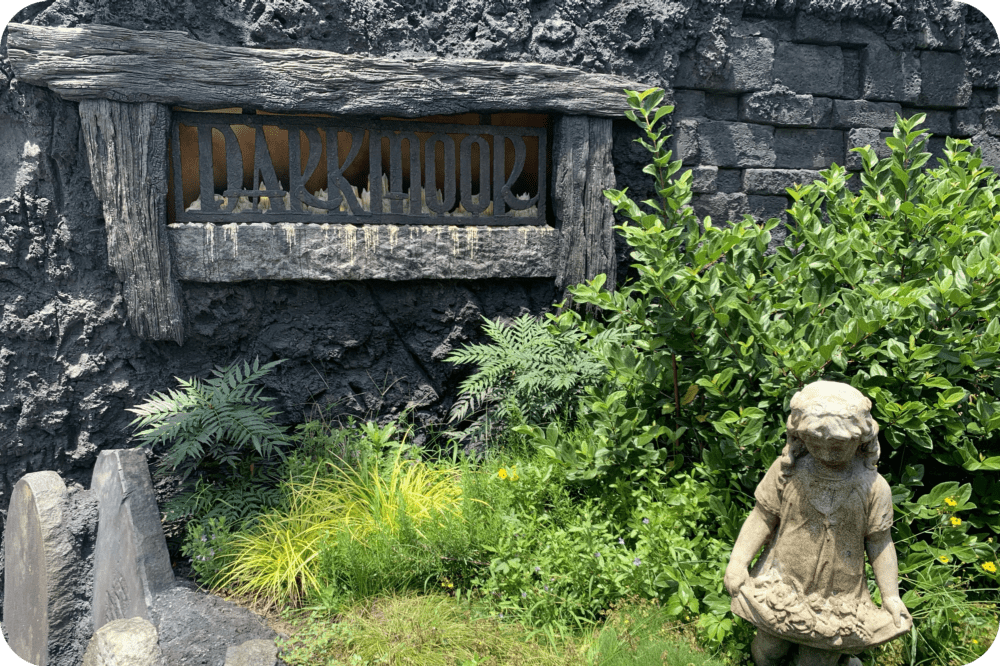
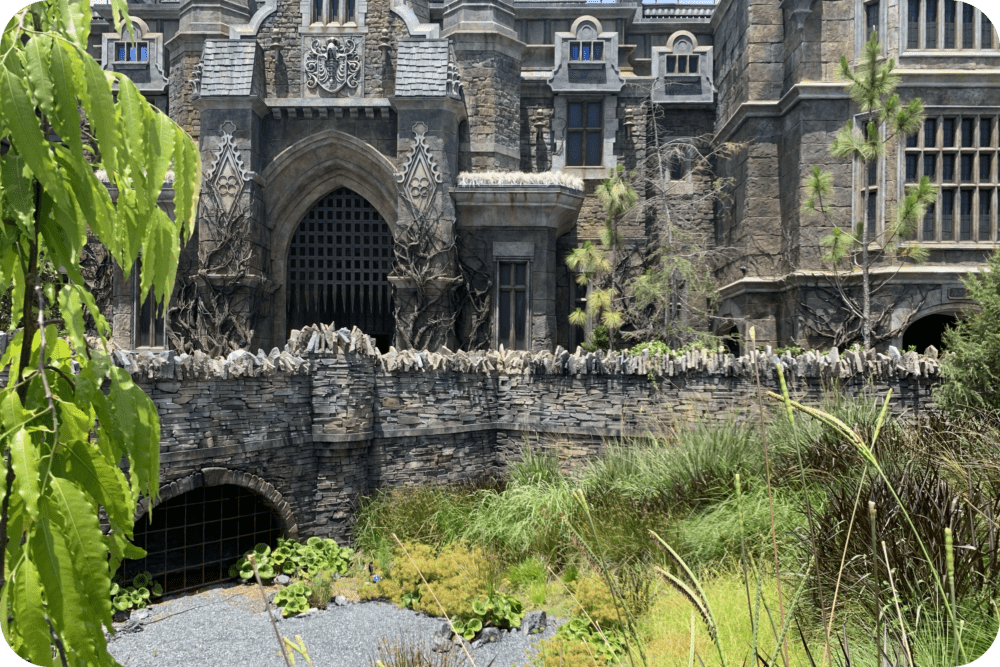
Dark Universe at Epic Universe is a good example. Drawing inspiration from classic monster films and gothic horror, the land isn’t tied to a single on-screen environment. Instead, it required building a believable backstory – a 1600s German village – then letting that logic guide material choices. What kind of stone would be used? Why is there a fountain in the square? What purpose does it serve?
Answering those questions early helps avoid design decisions that feel arbitrary later. For clients, that means fewer revisions, clearer approvals, and a stronger final product.
Designing for Operations from Day One
One of the most overlooked aspects of theme park design is how much of it is driven by operations. Landscape architects spend significant time coordinating with operators to understand maintenance requirements, access needs, and safety protocols.
Fire lanes, hydrants, service roads, utilities, and backstage circulation all fall within the landscape scope. Even roller coasters intersect heavily with landscape architecture. Engineers design the track, but landscape architects plan evacuation routes, high-reach access paths, and maintenance circulation – finding ways to make all of that functional without it feeling like infrastructure dropped into a park.
Queues are another area where experience matters. Modern queues are longer, more complex, fully accessible, and often partially outdoors. Landscape architects lay them out, ensure ADA compliance, integrate shade, seating, drinking fountains, and sometimes restrooms. When done well, queues become part of the attraction rather than a necessary inconvenience.
At the end of the day, the value of theme park landscape expertise isn’t about making bold statements. It’s about quietly solving problems early, asking the right questions, and creating environments that work beautifully because so much thought went into things guests will never notice.
Placemaking Beyond the Theme Parks
What’s great about the way theme parks have approached landscaping is how it’s being mirrored outside of the themed entertainment world. More and more people want themed stories outside of theme parks. So being able to do more placemaking that’s less generic, that’s more tied into what a venue is doing, or selling, or the history of a place is really exciting, because landscaping is being seen as adding real value and a true ‘sense of place’.
About Kevin Blakeney
Kevin is an experienced master planner and landscape architect, having led and coordinated the design and development of immersive themed environments and attractions globally, now serving as Storyland Studios’ Director of Master Planning.
He has worked on a number of THEA award winning projects, including Star Wars Galaxy Edge, Universal Beijing, and has most recently overseen the area development scope and budget throughout all design phases of components of Universal’s Epic Universe.